 About twelve years ago I wrote an article that was republished in several newsletters about how writing books helps to transport me to other places and lives. However,I also experience the same joy traveling to other places and lives by reading books. Anne Morrow Lindbergh wrote: “Travel far, pay no fare … a book can take you anywhere.” My life has never brought me the opportunity for great travels, but in books I have visited far away places and sampled lives in other countries I’d never have experienced otherwise. Though books I jump on a magical tour bus, taking me off to wonderful places.
I love the British Isles and books have taken me on many adventures to England, Wales, and nearby Scotland and Ireland. I love England’s quaint villages and towns, so different from ours in Tennessee, and I especially like authors who take me visiting there—classic authors like Jane Austen, Georgette Heyer, R.F. Delderfield, Phyllis Whitney, Agatha Christie and Beatrix Potter.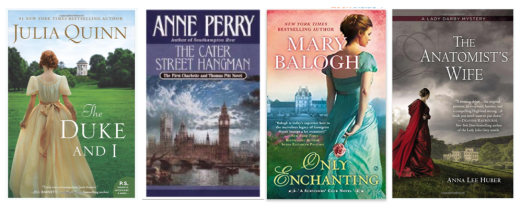 Romance authors Julia Quinn and Mary Balogh have carried me off more recently to rural villages and vast country estates in their lovely regency titles. English author Anne Perry has swept me away to London through her intriguing Charlotte and Thomas Pitt mysteries, like The Cater Street Hangman, and Anna Lee Huber has kept me enthralled with her delightful Lady Darby books set in different spots around the British Isles. I also loved every one of James Herriott’s books about a country vet in the Yorkshires, beginning with All Creatures Great and Small.
 As a younger reader I discovered Nora Roberts through her romance series set in Ireland that made that beautiful coastal scenery and Ireland’s small towns come alive for me, especially the Irish Trilogy starting with Jewels of the Sun. Michael Phillips took me to Scotland in his books, too, like Angel Harp, and M.C. Beaton took me visiting time and again to Scotland with her humorous coastal mysteries about Hamish Macbeth.
 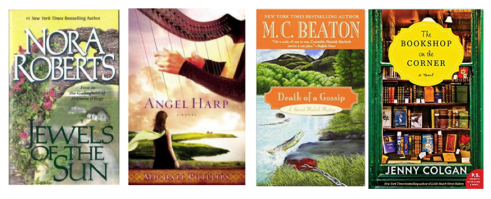 Recently I’ve traveled to more remote Scottish towns and to the Cornwall coast in Jenny Colgan’s captivating stories—and in fact, I’m reading one of her books right now.
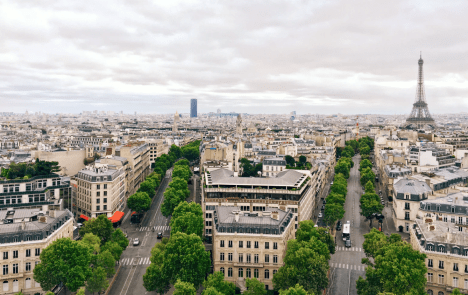 Always wishing I could travel to France, I first visited there as a girl reading the Madeline books, and later Collette’s Claudine novels and Dumas’s books like The Three Muskateers. More recently I traveled to France and down the Seine on a bookstore barge in Nina George’s charming novel The Little Paris Bookshop and to Paris, also, in Colgan’s The Loveliest Chocolate Shop in Paris.
  Moving on to Italy, I loved visits there through E. M. Forster’s A Room With a View and Frances Mayes’ Under the Tuscan Sun. And Susan Elizabeth Phillips book Breathing Room, set in Tuscany, was also a fun read.
 Although most books I read set abroad are in Europe, I’ve ventured further to Botswana, Africa, many times via Alexander McCall Smith’s Ladies #1 Detective Agency series—a total delight with every book. I’ve taken adventures to other countries, too, with unlikely spy Emily Pollifax in Dorothy Gilman’s Mrs. Pollifax series. I also enjoyed trips to Canada, earlier as a girl, with Nancy Freedman’s Mrs. Mike and L.M. Montgomery’s beautiful Anne of Green Gables novels.
  And in recent years I’ve enjoyed following Louise Penny’s stories about Inspector Gamache, with The Beautiful Mystery still my favorite of that Canadian series. For trips to Alaska I’ve traveled with my friend Shannon Brown, writing as Cathryn Brown, in her Alaska series romances. I’ve also ventured to many unusual spots, like to Israel and Jerusalem, with Laurie King’s character Mary Russell and Sherlock Homes.
 Back in the U.S. I’ve traveled to a lot of state parks in Nevada Barr’s ranger mysteries and I’ve come to know and love small towns in North Carolina in Margaret Maron’s wonderful mystery series about Judge Deborah Knott, beginning with The Bootlegger’s Daughter. And, of course, I’ve read every one of Jan Karon’s Mitford books, set in small town North Carolina, too. There are so many wonderful Southern authors I’ve traveled with, too many to ever mention and applaud here … but I loved reading all Eugenia Price’s Georgia coastal books, Carolyn Hart’s fun Death on Demand mysteries, Susan Boyer’s South Carolina Lowcountry series, and Deborah Smith’s engaging books set in the Georgia and North Carolina mountains. …
 I also enjoyed, and still follow, Rita Mae Brown’s Sneaky Pie books about Harry and her pets who solve small town mysteries and murders in rural Virginia, Sherryl Woods books like The Sweet Magnolia series, and Victoria Thompson’s Gaslight Mysteries set in New York’s earlier days.
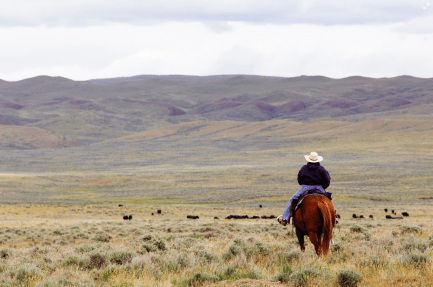 As a horse and cowboy lover, I read every Zane Grey mystery set out west and I like Linda Lael Miller’s romance books about cowboys and ranches, too. A favorite recent book that I laughed a lot over was Ree Drummond’s story of marrying her cowboy husband The Marlboro Man in Black Heels and Tractor Wheels, a fun read worth looking for.
 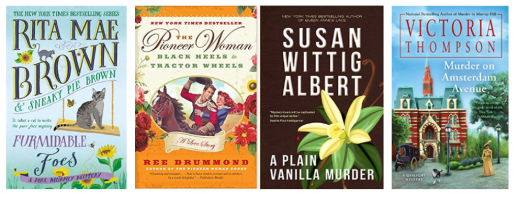 Susan Wittig Albert’s China Bayles mystery series keep me traveling frequently back to Pecan Spring Texas, and authors like Robyn Carr, Susan Wiggs, and Debbie Macomber keep taking me on wonderful trips out west and to the Pacific Northwest coast.
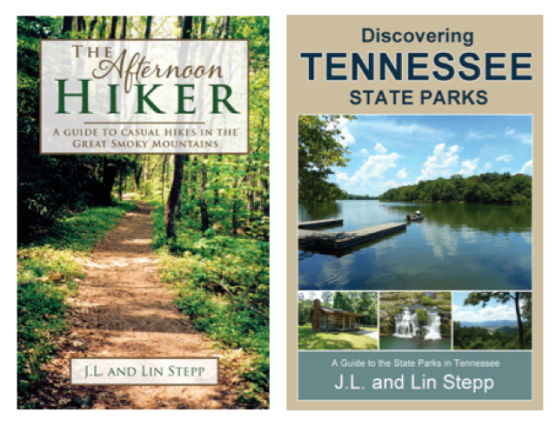
Book visits as an “Armchair Traveler” never have to end—because there are always more books to discover! “That’s the thing about books. They let you travel without moving your feet.” [T. Laliri] …  And, yet, J.L. and I also love to travel, explore, and hike nearer to home, so one day we decided to begin sharing our adventures in guidebooks. First, we wrote a hiking guide to take you on trails in the Smokies. Then we took off and visited all 56 Tennessee state parks and wrote another guidebook called Discovering Tennessee State Parks. So you can “armchair” travel to our world here in Tennessee—and plan a trip here, too!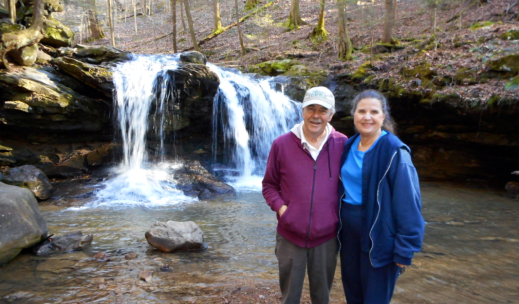
 Because I’ve always enjoyed my “Armchair” travels in novels so much, I decided to also write some novels of my own to bring you traveling to my part of the world—and to different places around the Smoky Mountains I love so much. The picture here shows my four latest mountain books,Daddy’s Girl set in Bryson City, Lost Inheritance set in Gatlinburg, The Interlude set on the Millhouse Resort in Greenbrier, and Happy Valley set below the Chilhowee Parkway in rural Happy Valley. There are nine more to enjoy, too, and with a new one publishing this spring!
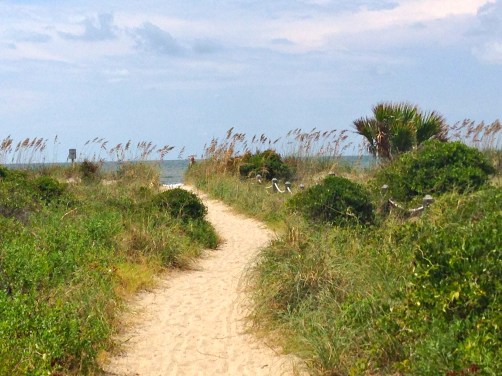
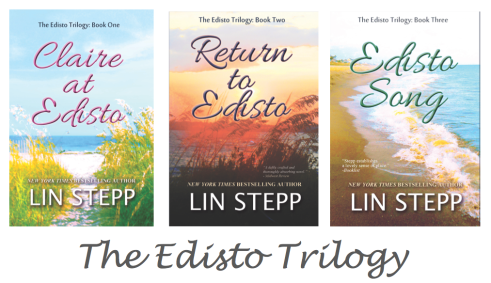
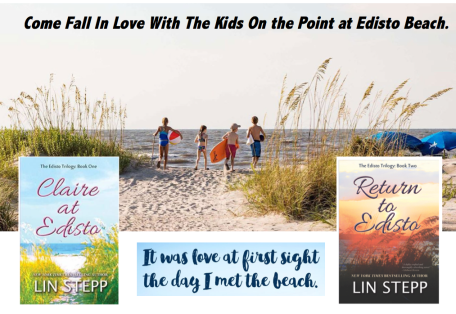 We don’t travel far and wide—or to faraway places—even for vacation, but we have gone year after year to a lovely quiet island on the South Carolina coast, Edisto Island. So I thought I’d take readers there to visit, too. You can “Armchair Travel” to visit Edisto right now in my new trilogy, with two books out now and the third coming in the new year.
Do you love to travel? But is the ongoing pandemic keeping you a little housebound right now? Well, “escape” and travel in books! And remember: “A book is a magical thing that lets you travel to faraway places without every leaving your chair!” [Katrina Meyer]
See you next month! … And don’t miss also reading my October newsletter, too.
Note: All photos my own, from royalty free sites, or used only as a part of my author repurposed storyboards shown only for educational and illustrative purposes, acc to the Fair Use Copyright law, Section 107 of the Copyright Act.] … Thanks also to Unsplash for many free stock photos used in this blog post.
 After I completed my annual Smoky Mountain book this spring, I began to research and plan four new future books, that I’d envisioned earlier, focused around a Lighthouse on the South Carolina coast. As a past professor, I love to research and learn about new things, and I uncovered so many interesting facts and fascinating stories about lighthouses that I never knew before while beginning to plan these books. A lot of the gathered knowledge I found, and many colorful stories I unearthed, will find their way into my new Lighthouse books, but I decided it might be fun to share some of the information I’ve discovered in my September blog.
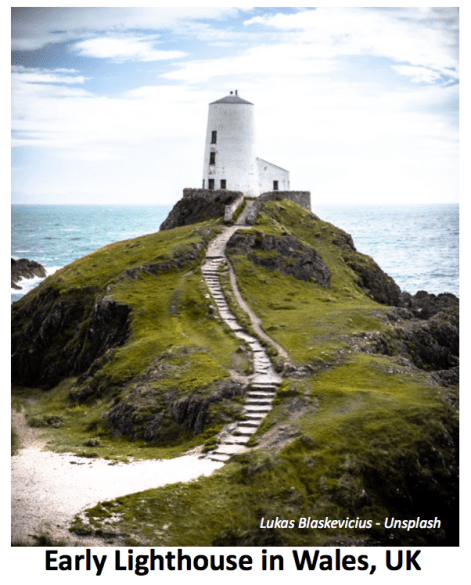 Many more lighthouses were soon built along the Atlantic coast and then on the Great Lakes and the West Coast. Lighthouses served as well-needed navigational aids in this earlier time period. They warned boats of dangerous areas in the sea and they helped to guide ships into harbor, sort of like traffic lights and signs do on land. The purpose of lighthouses was always to light the way for ships at sea, to keep them from crashing against rocks or reefs in storms and bad weather, to help them find their way in the dark, and to act as points of reference for sea captains. Every lighthouse had its own unique appearance and its own individual system of flashes that let ships know exactly where they were long before modern navigational systems helped pinpoint the way.
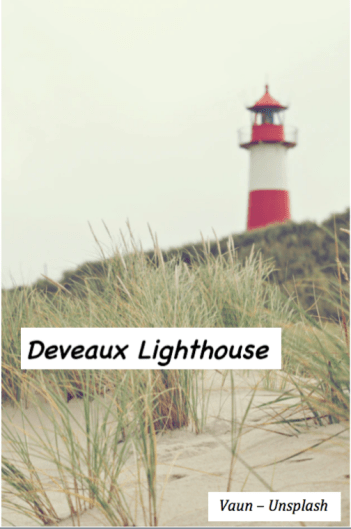 Thinking about a Lighthouse book: After learning about lighthouses in general, I began to look at pictures of lighthouses to decide what the “fictitious” lighthouse in my book might look like. I knew it would sit on a slightly rocky chunk of coastline on an island at the north end of Edisto Island with the Atlantic Ocean to the forefront and the North Edisto River to the side. Considering how many wrecks occurred in past at this location, many on a dangerous shelf of narrow barrier islands called the Deveaux Bank, I’m surprised a lighthouse was never built at this point, as there are lighthouses up and down the Atlantic Coast where other major rivers meet the sea. The small island I’m fictitiously using for my book setting is a quiet, practically unpopulated one, now in a conservatorship. Only a handful of people own land there and further future development is restricted on this island portion of Botany Bay Island, which is separated on all sides by water. In researching the history of the island I learned it had once been called Watch Island in the past with a small fort on it, so I took back that old name for the island for my story. I also decided to name the lighthouse the Deveaux Lighthouse, for the Deveaux Bank nearby and, fictitiously, for the family I’ve created who have kept the light through multiple generations.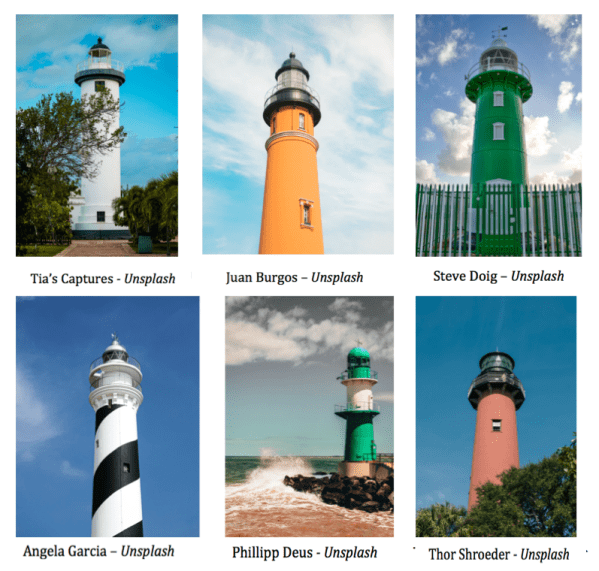
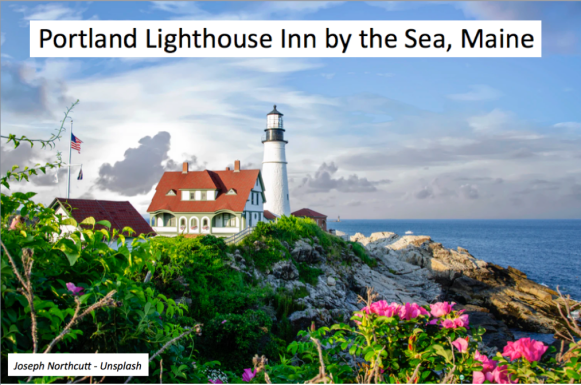 Additionally the Lighthouse Station grounds included several smaller cottages for assistant keepers or visiting supervisors, a bell house or fog house, storage buildings, a boathouse or two, one or boat docks, a well for water, fuel storage buildings, a garden area, and an outdoor “necessary house” or bathroom. Often the Lighthouse Station was fenced or walled all around with pathways leading between the different areas. The Station looked almost like a small community…. which explains why many of these Lighthouse Stations were more easily converted later to tourist resorts with cozy, seaside inns, gift shops, rental cottages, and museums. You may have seen one of these famous inns, the Portland Lighthouse and Inn, pictured above, on a visit to the coast of Maine or in looking through lighthouse photos or paintings.
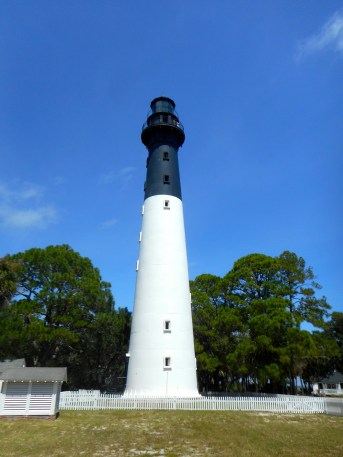 Because most lighthouses were deactivated by the mid 1900s, they were frequently sold to parks or individuals to convert to tourist destinations or even to renovate as private homes. Today, many lighthouses are actually for sale at bargain prices to those who will fix them up, allow tourist visits, and who don’t mind living in often remote locations. You can visit many lighthouses along the Atlantic and Pacific coast, and abroad as well. We recently visited Hunting Island Lighthouse, shown in the photo at left, at Hunting Island State Park in South Carolina, not far from Edisto and Beaufort. Many of the Huntington Island Light’s old station buildings have been preserved, and at this lighthouse, too, you can climb to the top of the lighthouse on steep spiral stairs—if you are able—to look out across the ocean from a platform near the top.
 In these times when life is quieter, and we are all staying closer to home, I want to encourage you to still find time to get out-of-doors in nature. It has been proven to be healthy and healing physically and emotionally. Even if you can’t travel abroad, take cruises or long trips, you can still head out for a day to one of your state parks.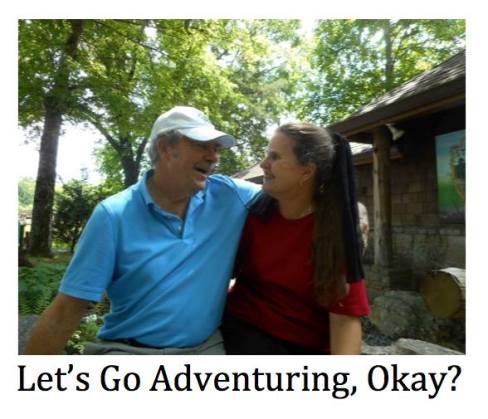


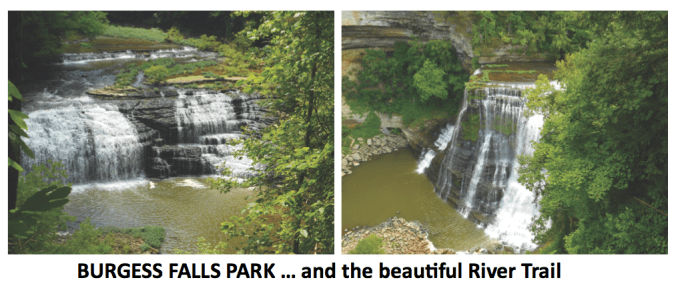
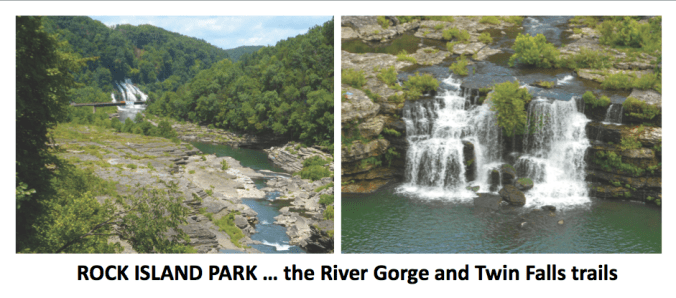
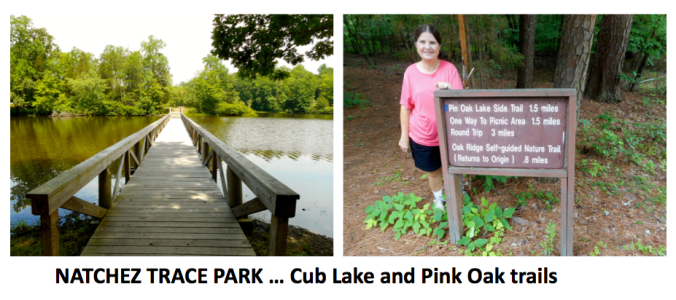


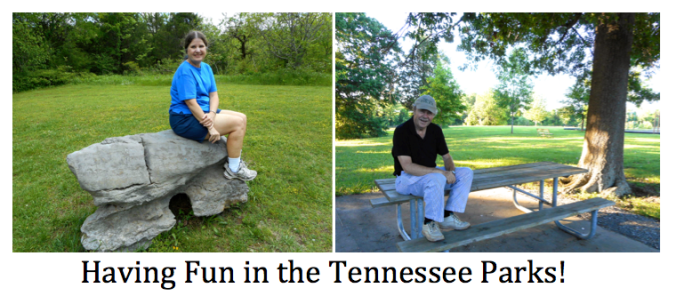
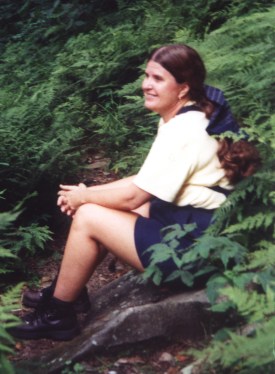 With July and warm summer weather here, I hope all of you will find ways to get out into the healing wonder of nature. After many of us have been cooped up for so long with the corona virus going on and quarantines in many places, I think our inner being literally hungers to get outside again—to take a walk, look up at green trees and into the blue sky, stick our toes into a cool mountain stream or lake, and see some of the beauty of nature again. There is something healing to our souls, uplifting to our minds, and definitely good for our physical well being in getting outside in the natural world. The smile on my face in this photo at right, which appeared on the back of my first published book, shows how happy and peaceful taking a walk in nature always makes me feel. I never fail to come back happier and more refreshed, less stressed or worried than when I left.
 For my first hike discussion … If you’ve read my latest novel HAPPY VALLEY, you may remember Juliette and Walker hiking trails around the Abrams Creek Campground in the Smoky Mountains, not far from their homes in the Happy Valley. This is a quieter part of the mountains where you can take a walk or hike and avoid big crowds. A favorite trail of ours that begins directly behind the Abrams Creek Campground is the Cooper Road Trail. It’s an easy, wide roadbed trail suitable for most anyone, and you can walk as far as you’d like—even all the way to the trail’s end in Cades Cove! You’ll find picnic tables and a nice restroom in the campground, and there are several other fine trails here you might enjoy walking, too, like the Rabbit Creek Trail, Cane Creek or Beard Cane trails and the Little Bottoms Trail that climbs over Hatcher Mountain and down to Abrams Falls by a back route. But the Cooper Road Trail is the easiest and it’s always a beautiful walk.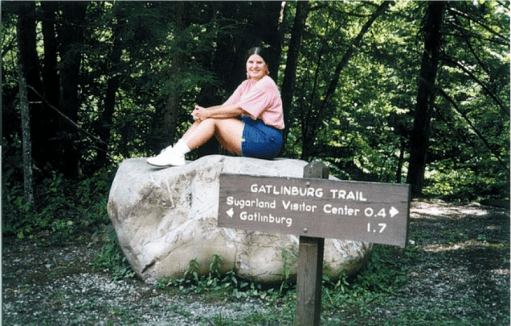

 Instead, choose trails in less “touristy” areas, which are equally picturesque. On the Townsend-Cades Cove side of the mountains, try one of the trails off the Tremont Road like the West Prong or Lumber Ridge trails, the trail to Spruce Flat Falls out of the Tremont Center, or the Middle Prong Trail at the end of the Tremont Road. The latter is one of our favorites, a broad trail following the stream past waterfalls and cascades. If you want to see a bit of Cades Cove without getting into the heavy traffic there, park right before the road begins and hike the Rich Mountain Loop Trail to the John Oliver cabin. This will give you a chance to see a lovely part of the cove and a historic home without getting into the crowds. You might remember Jenna and Boyce hiking this trail in my book TELL ME ABOUT ORCHARD HOLLOW.
 Another less crowded area of the Smokies where we just hiked last week is in the Cosby area of the Smokies. From Gatlinburg follow Hwy 321 east to the right turn leading into the Cosby Campground. Along the road you’ll pass the trailhead for Gabes Mountain Trail leading to Hen Wallow Falls. Rhea, Carter, and Carter’s son Taylor hiked to this falls in my book SAVING LAUREL SPRINGS. On our last visit to Cosby, J.L. and I hiked parts of two trails not far from the picnic and campground area—the Low Gap Trail and the Lower Mount Cammerer Trail. The latter is a lengthy trail, eventually connecting to the AT, but you can hike as far as you feel led through the woods, along and across the streams. Low Gap is a steeper trail, but it parallels the creek for much of its journey with many pretty cascades. Not far away from Cosby is a lovely stretch of the Foothills Parkway, too, which you can drive a portion of for some stunning mountain views.
 Two of our favorites trails in this area are the Ramsay Cascades and the Porters Creek trails. The Ramsay Cascades is a challenging trail, walking to a stunning waterfall and back. You might remember taking that hike with Mallory and Lucas in my book THE INTERLUDE. You’ll find the Porters Creek Trail at the very end of the Greenbrier Road. The parking lot at this beautiful trail is sometimes busy, especially when the wildflowers are in bloom, but once you head up the trail, things grow quieter. We love the diversity of this pretty trail. Much of the pathway hikes along the stream with many scenic spots along the way. After a mile up the trail, a side path leads over to a preserved mountain cabin, cantilever barn, and springhouse. You can sit on the porch of the old cabin to eat your lunch and imagine what it might have been like to live there deep in the mountains.
  Remnants of rock walls and a little cemetery can be found along the route and further up the way is Fern Falls, which trickles down the hillsides for about forty feet. In the spring sweeps of phacelia cover the upper trail and on the lower trail are many glorious wildflowers.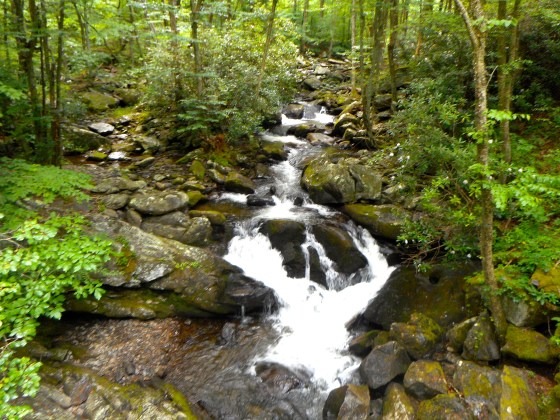

 The first games I remember as a child are old classics still around today—card games like “Go Fish,” “Old Maid,””Slap-Jack,” and “Crazy Eights” … and simple board games like “Candy Land” and “Uncle Wiggly.” I remember my mother taught me to play “Chinese Checkers” and later “Parcheesi,” two of her favorites, and Dad taught me to play “Marbles,” “Jacks,” and real “Checkers.” Both taught me how to create and play Paper Games, too, that they learned as children … “Tic-Tac-Toe,” “Dot-to-Dot,” and “Hang Man.” These were popular in my Elementary School years, too, because we could scribble them on school paper and pass them around to play.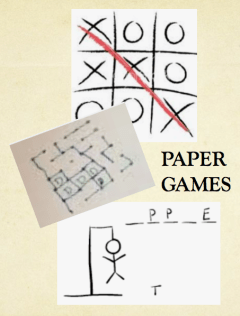
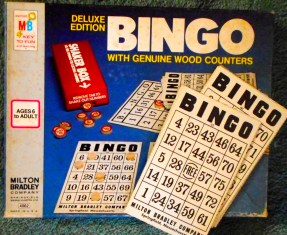
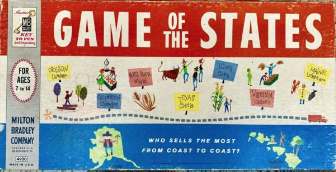 A favorite Christmas gift every year—and often at birthdays—was a new board game. I remember an early one I loved was “Game of the States” that taught me all the states, their capitals, and facts about them. We played many board games… “Monopoly,” “Clue,” “Pay Day,” “Parcheesi,” “Sorry,” and “Careers.” Later with our children I played these all again … along with new ones like “The Game of Life,” “Battleship,” “Operation,” “Hi-Ho Cherry-O,” “Chutes and Ladders,” “Risk,” ”Cootie,” and “Mastermind.”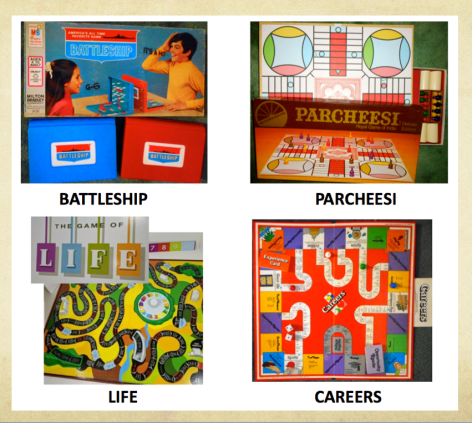
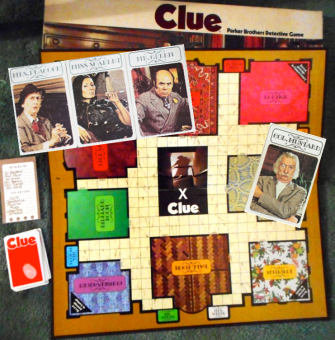 One of our favorite family games through all the years was “Clue.” It was wonderful fun to travel from room to room to try to determine, by elimination, “who” had murdered the victim and with “what” weapon. Especially in the years when I was reading all the Nancy Drew and Hardy Boys mysteries I loved this game … and I found my children and my husband loved it, too. Naturally, we always had our “favorite” characters in that game and mine was always Colonel Mustard. “Clue” and the “Game of Life” were probably two of our all-time favorites that we never seemed to tire of playing.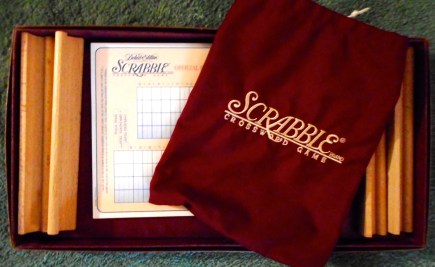
 Group and party games came into play in these years, too, “Charades,” “Trivial Pursuit,” “Pictionary,” “Twister,” “Jenga,” and fast paced games we all laughed over like “Catch Phrase.” I still like the old game of Charades, which is another old classic game. A parlor game, dating back to the 1700s in France, Charades has woven its way into many books, movies, and television shows over the years.
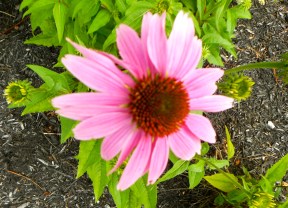 I grew up hearing story rhymes and poems about April Showers and May Flowers—but at my rural childhood home in South Knoxville, May Flowers were more evident than at most of my friends’ homes. My parents were avid, prolific gardeners. My mother especially loved flowers and grew all sorts of varieties in our back yard, side yards, front yard, and on the extra properties surrounding our rural home. People often came by to look at Mother’s flowers in May—when her displays were especially profuse.
 I was older by the time I really noticed that my parents were more enamored with yard and garden that most of my friends’ parents. I’d often heard my mother called “The Flower Lady” by then, too. She belonged to the local garden club, won competitions with her flower arranging, and created the table decorations for her civic groups and at church.
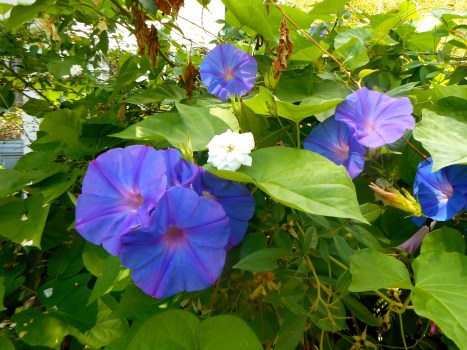 While Mother and Dad looked through gardening catalogs in the winter and could hardly wait until Spring to get their hands in the dirt to plant, weed, and get the garden started … I was usually lost to other worlds instead, to imaginative worlds. Lost in a book or playing with words in some way. This makes sense now that I’m a writer but that latent gifting wasn’t well understood in my home or especially nourished. If I had been a unique variety of iris or a new tomato variety, I’d have been cultivated and fertilized more devotedly.
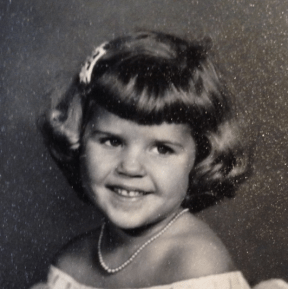 I don’t blame my parents for the lack of recognition for gifts they didn’t know how to recognize or develop. I was a loved child who grew up in a warm, nurturing, Christian home with my needs met, my friends welcome, good neighbors all around, a healthy environment to grow up in and the importance of good morals and a good education always stressed. As a psychologist now, I understand better that it’s difficult to understand in every way others that are different from us.
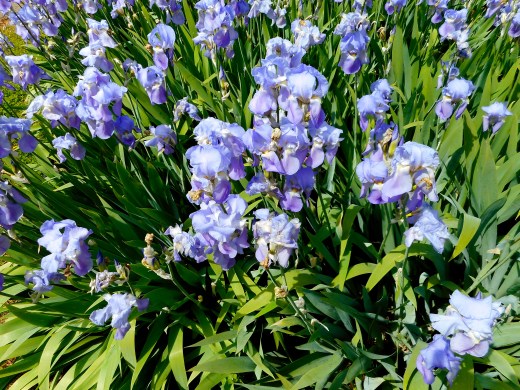 The long rows of Iris looked like tall, lovely ladies to me—in dresses of purple, blue, gold, or white. The two-toned iris were the most fanciful, their dresses decorated with multi-colors and velvet trims. The Snowball Bushes and Peony shrubs provided lush round flower balls perfect for “pretend bridal games.” With scarves over our heads we’d walk down green aisles in the yard or dance with flowers in our hands.
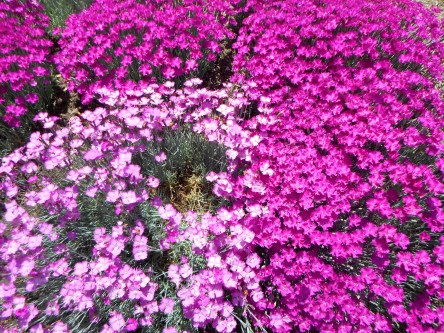 Out in the fields we gathered Daisies and Clover to fashion into necklaces, bracelets and garlands. We sipped Honeysuckle flowers, picked Daisies, and made nosegays of Mimosa Tree blooms. On old quilts in the field, we watched the bees and butterflies weave in and out among the Red Clover, Goldenrod, Queen Ann’s Lace, and Bachelor’s Buttons of every color and we joyously gathered bouquets to bring back home to put in one of Mother’s old vases.
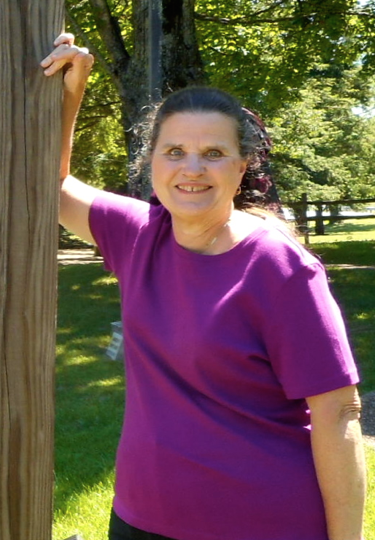 To me, flowers were the joyful setting for imaginative games and stories. My best childhood memories are not of gardening but of Mother pointing out the different flowers to me in the yard or identifying flowers, plants, and trees to me when we traveled and visited in other states. I loved the stories she told me about growing things, about the history and meanings of the flowers, the humorous tales about their names or growing traits. These are the memories I hold the dearest. I especially recall those times today when I walk the neighborhood, the hiking trails or nearby parks, enjoying the flowers. We often gain a legacy, a love and appreciation, for beauty in indirect ways as well as in more direct ones. The love I developed for flowers and growing things as a child continues to flow richly in me and now also drifts into my writing…. Thank you, Mother, for all that wonder you shared with me.
 Lin Stepp