“If you truly love nature you will find beauty everywhere.” – Van Gogh
 I’ve been working on a new novel, with a wildflower-herb farm and shop at its center, and as I have delved into research for the book, I’m been reminded again and again of the benefit of plants on our earth and of our frequent lack of gratitude for them. Plants include all the huge variety of trees, flowers, shrubs, herbs, mosses, grasses, and ferns that make up the plant world. Plants are extremely diverse and complex and there are millions of different species. All plants are made up of similar parts, like roots, stems, and leaves, but the most important thing about plants is that we cannot live on earth without them. Plants make oxygen, and all living things need it to breathe. Plants give us food, shade, and shelter, plus needful products like wood to build our homes, fuel, foods, and products we need and use in our world.
 I think we are less schooled today than our ancestors, who lived in a more agriculturally based society, about the aesthetic and health value of plants. As I was reading about early Appalachian culture, for the family farm and shop in my story, I read often of how children were taught from young ages, in the past, about the natural world all around them. They were taught the names of trees, shrubs and flowers, learning which ones they could eat safely, which were poisonous. On walks through the woods, they learned characteristics about mosses and ferns, wildflowers, trees, and plant roots. They also learned to cultivate and grow all types of plants and flowers. My mother grew up in a large farm family and my father’s family gardened, too. I look back and remember with fondness their constant stories about the land, its plants, the trees. They carried such knowledge of the natural world. They knew how to plant and garden, how to care for and respect the beauty around them. I know they passed that love and respect for nature along to me. Even in my busy life, focused around other pursuits more than around gardening, I still appreciate all I see of nature’s beauty and I want to see it protected and reverenced.
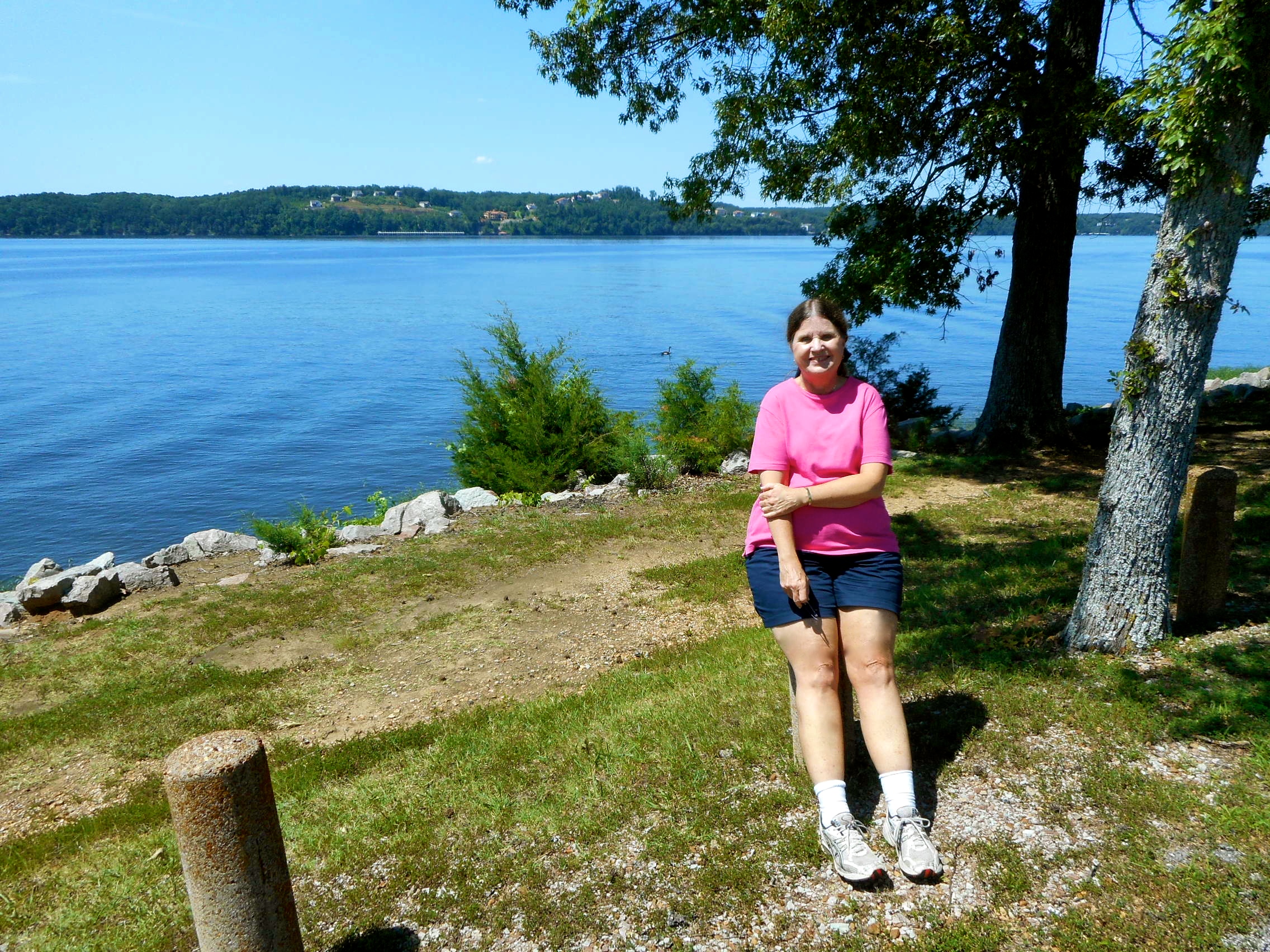 On my bookshelves are many books about landscape gardening, plants, flowers, and herbs. I pull them out often to get ideas for gardening and planting in my yard, for understandings about my indoor houseplants, and to identify the trees, plants, and flowers I see when hiking or visiting parks, gardens, and outdoor sites. You can learn a great deal about plants just from books, with their glorious illustrations, and from studying the plants around your neighborhood and area where you live. From books and talking to other gardeners, you can learn there are right and wrong ways to plan landscaping for your yard or property.
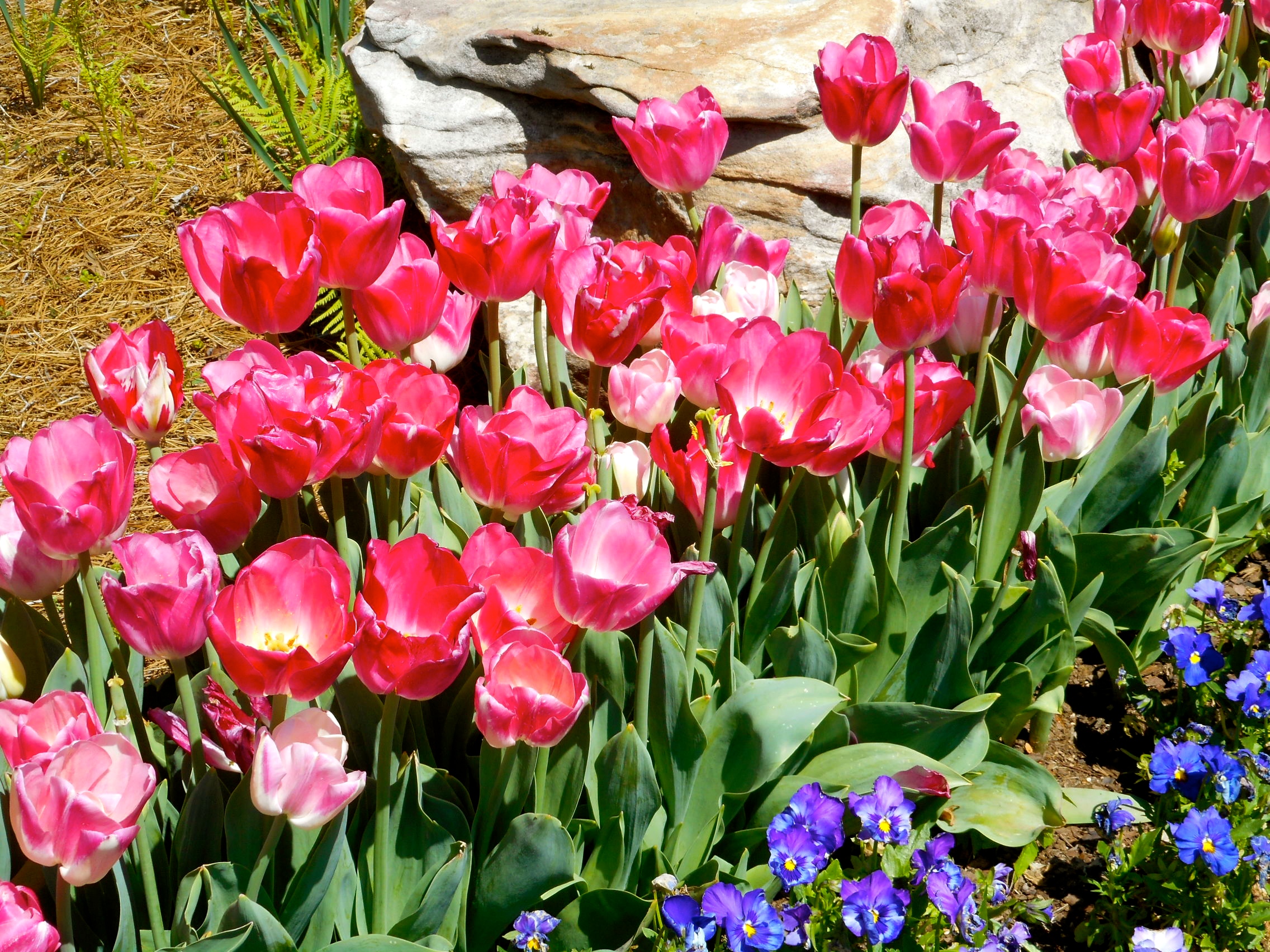
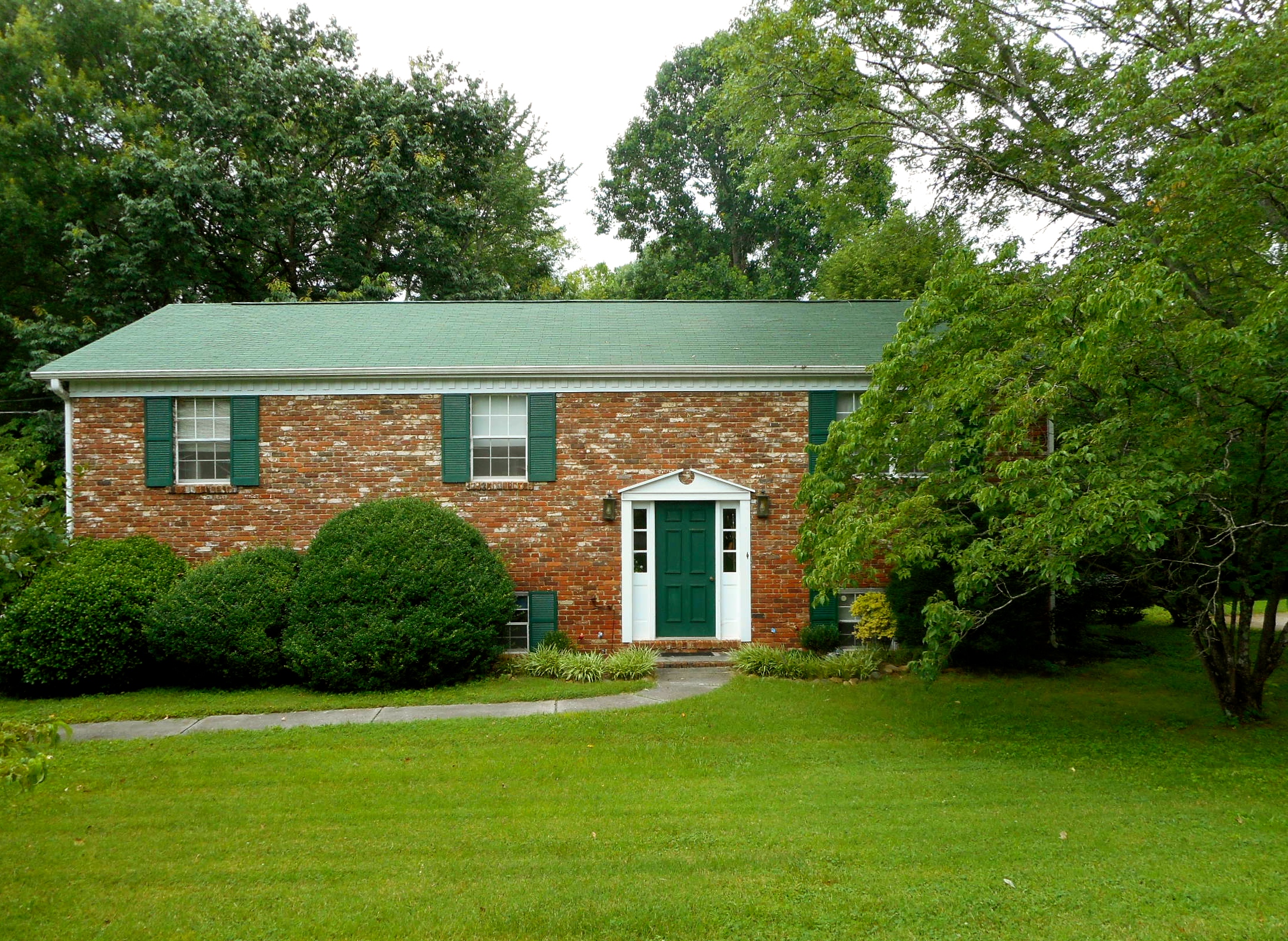 Trees are always a healthy addition to begin with. They provide shade and should be planted to “frame” the house in a pleasing manner. Trees should go around the edges of your site and are especially pleasing when arranged in uneven numbers. That rule is good for shrubs and flowers, too. Shrubs and flowers should fill in around a home’s foundations and around the edges of a landscape site. Taller shrubs and plants should be placed to the back of a landscaped flower bed with gradually decreasing sized plants next, ending with some low growing plants or groundcovers at the edges. Large flowering plants like hollyhocks, foxglove, or gladiolus grow best against a wall or fence where they don’t overpower smaller plants in front of them and where they can be staked if needed. Other taller flowers like clumps of coneflowers, daylilies, purple phlox, and black-eyed Susan need a place toward the back of flowerbeds, too, or a wide area to themselves where they can grow tall and spread without overpowering plants beside or in front of them either. The impact and success of every garden lies in its initial design. Every yard needs a nice balance of trees, foundational shrubs, and some beds of plants and flowers to look its best—and not too many in number, type, and color. Kind of like inside your house, a yard needs a plan and a color scheme to look its best. It just takes a little thought, research, and planning to create a pleasant yard or an appealing flowerbed
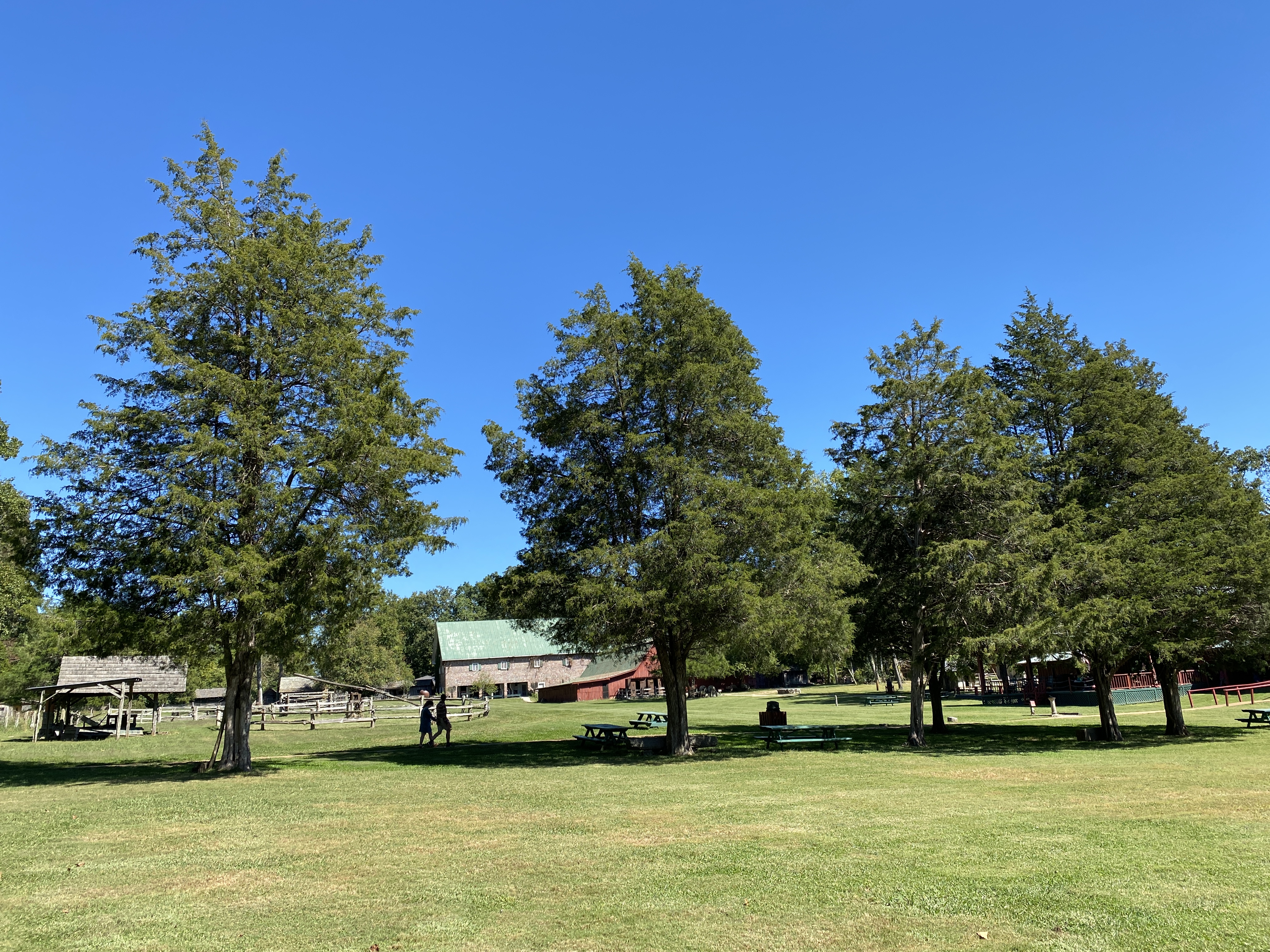
 Unless you take gardening courses or read extensively, the best way to decide on the right tree, shrub, plant, and flower species for your yard is to walk around your neighborhood or in nearby neighborhoods or garden areas to see what’s growing well. Trees and plants filled this world long before we did, with the fittest surviving best among all the other species. Your own climate, soil, and weather conditions dictate what will grow best in your regional area, yard or garden, without excessive cultivation and struggle. Make it easy on yourself and plant the types of trees, shrubs, plants, and flowers you see growing well everywhere you go. In my book story, my characters and farm owners, shop employees, and landscapers will advise their clients in that way, so they won’t set them up for failure in the herbs, perennials, wildflowers, and other indoor or outdoor plants they choose.
 I’ve especially enjoyed reading about not only the healthy impact of plants on our world but about the healthy uses for plants, perennials, and herbs for cooking, making teas and herbal and wildflower products. As a quick garden reminder, perennial plants will come back and regrow year after year while annuals die off after temperatures get too cold and generally require you to plant new ones the following year. Trees are perennial plants, although I’m learning that some trees, like people, have longer lifespans than others. The same is true with many perennial flowers and sometimes a harsh, cold winter can harm even hardy perennials, shrubs, and flowering plants. Gardening is never one-hundred percent predictable, just like life.
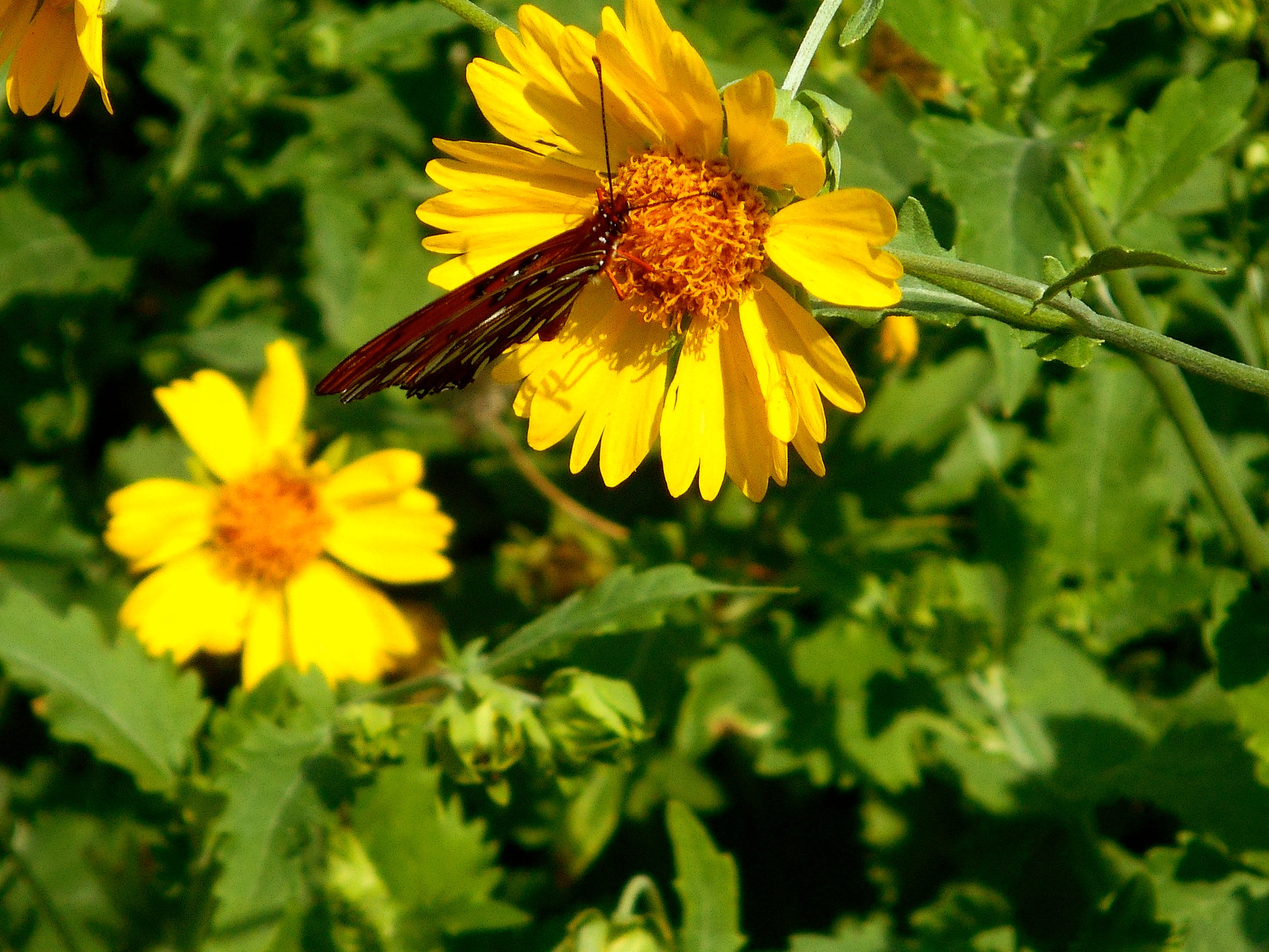 If you have space in your yard or garden, pollinators are a lovely option to consider. Native plants in pollinator gardens attract bees, birds, butterflies or other pollinators that carry the pollen between flowers causing fertilization, good fruits and viable seeds. This creates a healthier and more robust ecosystem. Unfortunately, worldwide there is evidence that pollinating bees, and animals have suffered from pesticides, invasive species, and environmental pollution so working to plant pollinators will help combat these losses. Some good pollinators to consider are: asters, black-eyed Susans, blanket flowers or gaillardias, ironweeds or vernonia, goldenrod, bee balm, orange milkweed, lavender, joe pye weed, red columbine, coreopsis or tickseed, coneflowers, wild purple geranium, pink swamp roses, sunflowers and many more. These native plants can also be used in making herbal products, oils, lotions, potpourri, wreaths, and soaps. Many are also edible, too, and good for baked goods. If you have a large space in your yard or on your property, you can create a pollinator garden of plants in big patches or clumps, planning a diversity of types so some bloom in spring, others in summer or fall. Many pollinators are herbaceous perennials and once established will return again and again. But please don’t use pesticides or chemicals on these plants.
 Herbs are especially easy to grow both inside and outdoors in the right location and climate. Actually, herbs are some of the easiest plants for beginners to grow. They can be grown in the garden in rows, in raised garden containers or in the house in a spot with plenty of sunshine. I enjoyed learning that herbs don’t mind being communal and that different herbs will grow happily in the same container, three to a 14-inch-wide container or five to an 18-inch container. I also liked the idea of planting a row of different herbs in a long window box containers. Once established, you can just pinch off leaves as needed for cooking or for making soaps or herbal products.
Some common and easy herbs to grow are:
CHAMOMILE – bushy with a daisy-like flower. Used to make tea but flowers are edible, too, with a slightly sweet flavor. Pollinators like these. Like full sun.
GREEK OREGANO – green leaves have a nice flavor and aroma for pasta dishes, pizzas, salads,. Makes a ground cover like a mat but can be grown well in a container. Best to harvest right as it begins to flower. Can dry and keep.
ROSEMARY – pretty upright shaped evergreen plant; easy to grow. Fills the air with fragrance even as you brush your hand over it. Excellent flavor when fresh but can dry, too. A few stems will fill a room with fragrance.
GOLDEN SAGE – herbaceous perennial; odd shaped leaves with raised dots all over; great to add to sauces, poultry, sausage, pork. Fragrant. Good for planting in pots. Likes full sun.
THYME – easy and practical to grow; tiny, aromatic evergreen leaves. Enhances meats, eggs, meat, soups, sauces. Hardy, grows well in pots. Likes part shade. Be careful not to plant it by spreading neighbors that will crowd it out.
CHIVES – look like grass clumps in the pot or monkey grass; add a nice onion flavor to salads, soups, potatoes, or other dishes. Grows well in borders or containers. Light purple blooms in spring that look like clover are also edible. Can eat fresh or dry.
CILANTRO -leaves look like those on strawberry or parsley plants. Aromatic fragrance. Grows tall. Great in salsas and Mexican or Italian dishes. Dropped seeds will make new plants.
PARSLEY -curly leaves with small loves around leaves. Nutritious leaves high in iron and vitamins. Good for cooking and salads and as garnishes. Good for containers. Can dry.
SWEET BASIL – wonderful fragrance and flavor; great for Italian dishes or for making pesto. Typical green leaf shape in little florets. Good for containers or outdoors. Best when fresh.
DILL – has a Christmas tree look; good in garden beds, raised gardens or containers. Tasty leaves. Likes direct sun. Grows tall, might need staking when in bloom. Fallen seeds make new plants. Pretty yellow flowers in spring. Eat leaves fresh or dry. Harvest the seed for kitchen use.
 Most herbs stay where you plant them without becoming overly invasive and spreading but be watchful for MINT. Whether SWEET MINT or PEPPERMINT – this herb has pretty leaves, is super easy to grow, great for its spearmint flavor and minty smell and good for beverages or iced tea, but be warned it will spread in the yard or garden. However, it can be happily grown in pots or containers by itself. I remember planting starts of mint that Mama gave me on the side of my house, and it spread like crazy, soon even coming up in the crack between the patio and sliding doors. I thought we’d never get rid of that mint. Lesson learned but the leaves were lovely in iced tea.
 While researching for my book, I’ve especially enjoyed reading about the easy teas you can make with herbs and flowers. I’ve also enjoyed learning how many herbs and flowers are edible. Edible flowers and herbs are always best when picked fresh out of your garden, and untreated with pesticides or chemicals. They are best when picked fresh in the morning and they will often keep in a plastic container in the refrigerator for days so you can get out a few to toss in a salad or special dish. Be sure you know the flowers that are safe to eat, however, as many are poisonous like foxgloves, oleander, and poppies. One edible flower you’re probably familiar with from childhood is Honeysuckle. You can enjoy the nectar or use the petals for a tea. Cornflowers have a spicy clove-like taste and hibiscus have a citrus-flavor in herbal teas and are a good addition to fruit salads. Wild violets and pansies make lovely teas, too, and can be used in salads or even jams and jellies. Many of the edible flowers I read about I was already familiar with for foods like dill for seasoning vegetables, elderberry for making wine or teas, basil for soups or pasta, or chives with their oniony flavor for salads or other dishes. It’s really fun to pick up books or to do some research on the internet to learn herbs, flowers, wildflowers, and perennials you can use in cooking, jams, jellies, salads, or sprinkle on foods for garnishes.
I thought I’d close this blog post with a couple of recipes for herbals teas and jellies you might want to try out.
LAVENDER HERBAL TEA – To make four cups of Lavender Tea
 Ingredients:
1 Tbsp dried lavender (unsprayed with pesticides)
4 cups fresh filtered water
Lemon or honey to taste
Directions:
Put dried lavender flowers into a tea pot (or a loose tea strainer if preferred). Bring water to boil and pour over lavender flowers and cover the pot. Steep for 5-10 minutes. Strain the tea (or remove strainer). Serve with lemon or honey to taste.
WILD VIOLET JELLY
 Ingredients:
2 cups of wild violet flowers (soaked and gently rinsed)
2.5 cups boiling water
Juice of half lemon
1 box Sure-Jell pectin … and 3.5 cups sugar
Directions:
Put rinsed flowers in a large mason jar with a non-plastic lid. Pour cups of boiling water over the flower and cover the jar with the lid. Allow the flowers to infuse the water for a least four hours or overnight. Pour the infused water through a sieve into a large heavy-duty pot. Squeeze the lemon into the infused water, which will change the color to a pinkish hue. Add the box of pectin and mix well. Stir the mixture, bring to a boil, and add the sugar. Boil another minute and keep stirring until the jelly gets hot and a little foamy. Immediately pour into small mason jelly jars. Tip the sealed jars over for 15 minutes to set. You’ll hear a ping and the center of the lid will flatten. Allow to sit for 24 hours and then the jelly is ready to enjoy!
EASY LAVENDER PERFUME
 Ingredients:
Grain Alcohol (not rubbing alcohol)
1 cup dried lavender leaves or flowers
Small glass bottles with tight fitting caps or cork.
Directions:
Cut or chop the plant material into tiny pieces. You can also use dried rose petals or gardenia petals, if preferred). Put the pieces in a small bottle and add the alcohol. Be sure to fill the bottle completely so there is very little air in it. Let the perfume sit for two weeks. Then uncap it and strain the perfume to remove the plant pieces. Sniff the perfume. If it doesn’t smell like the lavender leaves or flowers you started with, let it sit another week or two until it does. Make a pretty label for the bottle, especially if you try other types of herbs or flowers.
I hope you’ve enjoyed sharing some of my research and information about gardening, flowers and herbs, that will find their way, I’m sure, into my new Mountain Home novel, set in Cosby in the Smoky Mountains, which will be titled: WILDFLOWER HAVEN.
See you in September! … Lin
“To plant a garden is to dream of tomorrow.” Audrey Hepburn
Note: All photos my own, from royalty free sites, or used only as a part of my author repurposed storyboards shown only for educational and illustrative purposes, acc to the Fair Use Copyright law, Section 107 of the Copyright Act.
 Lin Stepp
Thank you for this post and all the recipes. In June we were in Germany with our daughter and family. We saw lavenders for the first time. They are so fragrant. Here we have Jasmine, Parijatha , Sampige and such flowers which are very fragrant.
LikeLike
Lakshmi … Thank you for your kind reply. I’m happy you enjoyed the blog about plants!
LikeLiked by 1 person