 One of the places I looked forward to visiting again, as J.L. and I began to work on our new North Carolina parks guidebook was the Outer Banks. J.L and I frequently visit the South Carolina coast for vacations but I had not been to the Outer Banks since visiting with my parents as a girl. We had gone to Virginia Beach for a summer vacation to see my Aunt Dorothy and Uncle Aubrey and they took us down the coast to drive along the Outer Banks one day, stopping to play on the beach for a time, and then driving into Manteo on Roanoke Island to see the outdoor drama “The Lost Colony” one evening. J.L. had never visited the Outer Banks at all so both of us looked forward to seeing the beauty we’d always seen in photos and movies.
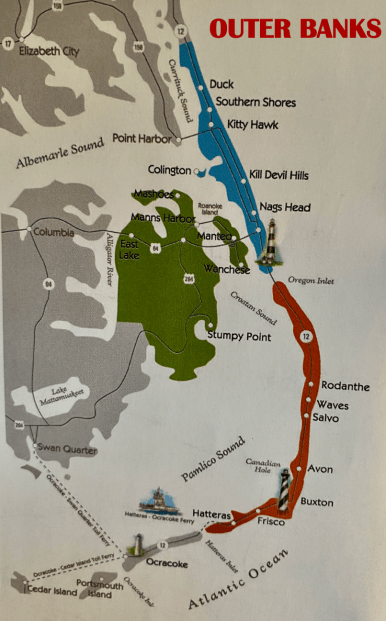 The Outer Banks is a string of barrier islands along the upper coast of North Carolina, stretching for over 120 miles from the Virginia border to Okracoke Island in the south. Unlike in the 1960s when I first visited, more than five million visitors now come to the Outer Banks every year. The island had certainly changed from those sleepy years long ago. I would have to say, with honesty, that the descriptions I read about the Outer Banks … that ‘one would find no main street tourist traps, no hotels blocking the view of the ocean, no boardwalks, and only pristine, quiet beaches’ to be a “slightly off” description, except in the areas protected by the state park and national park system and by organizations like the Audubon society. Please know, if you visit, that some areas have become highly commercial and crowded with beach homes, hotels, restaurants, and amusements with little conscientious effort made to preserve the natural ecology
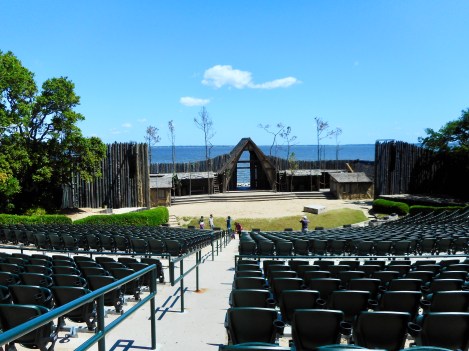 In its earliest days, the Outer Banks were home to Native Americans and many place names still give remembrance to them, like Kinnakeet, Manteo, Ocracoke, and Hatteras. The first English settlers came to Roanoke Island, in 1587, to establish a permanent English settlement. Sir Walter Raleigh helped to persuade the Queen to send the settlers and he helped finance the venture, which was led by John White, governor of the new colony. With a need for more supplies for the fledgling colony, John White returned to England, but problems prevented him from returning for three years. When he did return, he found the colony had simply disappeared with no trace. To this day no one knows what happened to these first settlers, called “The Lost Colony,” like the name of the long-running outdoor drama held on the grounds at Fort Raleigh.
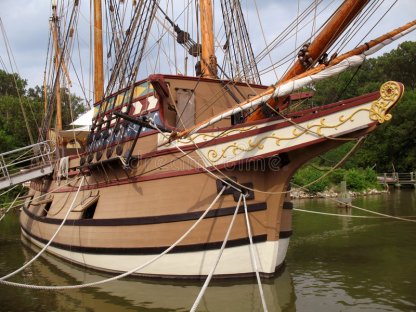 After the failure of the Lost Colony Europeans tended to avoid settling the island, but pirates loved them. Eventually settlers did move to the Outer Banks but they lived very isolated simple lives, mostly working as fishermen. These “Bankers” had only boat access over to the island, with no roads or bridges built yet. But gradually in the late 1800s and then more so in the early 1900s after the automobile gave Americans more mobility, people began to come to the area for recreation. The Outer Banks separation from the mainland always limited the island growth but Highway US 12 was paved in the 1920s -1930s, transforming the Outer Banks. Blessedly, the Federal Government designated large tracts of land in 1937 for the Cape Hatteras Seashore, followed by the creation of the Pea Island Wildlife Refuge.
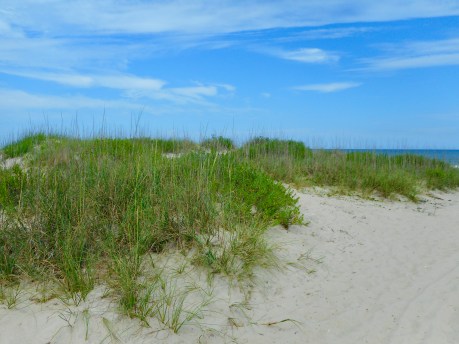 In the 1960s the building of the Herbert Bonner Bridge and other New Deal Highway provisions began to provide more links to the mainland. Today you can drive across to the Outer Banks from several points, and access to the islands has brought a mixed blessing to the area. The tourism industry began to flourish and grow, with development pushing rapidly into all areas of the Outer Banks not protected by the state or national government. The growth continues today, still basically unchecked. In a 1973 speech author David Stick said: “In our quest for growth and so-called progress, it is possible that we are gradually destroying the things which made us love the Outer Banks and attracted us here in the first place.”
The Outer Banks today has three main sections:
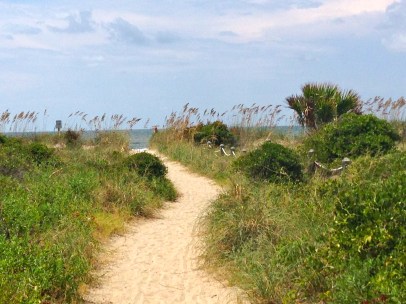 (1) The Northern Beaches – which includes the five oceanfront towns of Duck, Southern Shore, Kitty Hawk, Kill Devil Hills, and Nags Head;
(2) Roanoke Island and the Dare Mainland – with the town of Manteo, Fort Raleigh, the village of Wanchese and access to the Croatan Sound and Roanoke Sound.
(3) The Southern Beaches – with the Cape Hatteras National Seashore, Pea Island, and the towns of Hatteras, Rodanthe, Waves, Salvo, Avon, Buxton, and Frisco.
Despite commercialism, there are interesting things to see in all three sections of the Outer Banks and if you wish for spots of peace, quiet, and beauty, you can still find them if you seek them out. Visitors who want to stay at the Outer Banks can choose from motels, inns, campgrounds, or rental houses in the busier areas or the quieter spots.
Here are some of the special places you might want to visit at the Outer Banks, most of which we visited in June on our exploration.
At the Northern Beaches:
 In Corolla is the first of four lighthouses, the Currituck Beach Lighthouse, a red brick lighthouse, 162 feet tall, that opened in 1875. Because so many shipwrecks occurred along the Banks, often called “The Graveyard of the Atlantic,” the Federal Government built all these lighthouses to try to warn ships of the danger of the long string of barrier islands and reefs jutting out into the Atlantic.
- Also in Corolla is the Pine Island Audubon Sanctuary and Center, with its mission to conserve a 2600-acre preserve for beauty and wildlife. There are nature programs there and a nice nature trail.
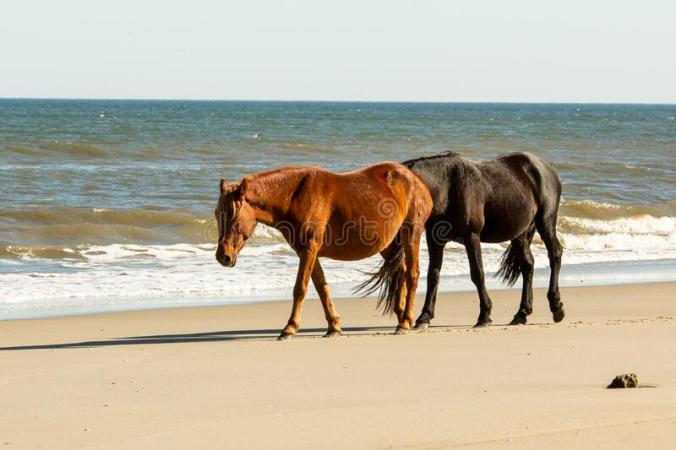 A special treat to see at Corolla are the Corolla wild horses, a wild herd originally brought in 1500s on Spanish ships and probably left behind from shipwrecks. Their lands are sadly being more and more invaded by tourism. You can learn more about the horses at the Wild Horse Museum in Corolla and perhaps take a tour to see the horses, too.
- At Duck, a more commercial spot, is the one-mile Duck Soundside Boardwalk passing by a park, amphitheater, boat launch, piers, playgrounds, and a multitude of cute retail shops and restaurants while winding alongside the scenic beauty of the Currituck Sound.
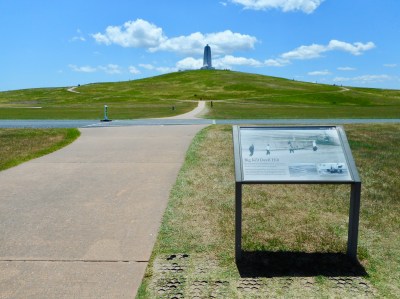 At Kitty Hawk, moving south, plan to visit the Wright Brothers National Memorial where the Wright Brothers built and flew their first plane. The visitor center there is exceptional and an interesting place to visit to learn about the brothers and early aviation. There is a fee per car and at our visit they would only accept credit cards.
 At Nags Head, don’t miss visiting Jockey Ridge State Park. It’s tucked in the middle of a hustling tourism area but the park is spacious and beautiful and we loved exploring the high dunes and trails and learning about the history of this interesting park.
At Roanoke Island on the Mainland:
 We greatly enjoyed our visit to Fort Raleigh National Historic Site. We learned there about the first English settlers to the New World, saw the earthen remains of Fort Raleigh, walked the trails, checked out the fine theater where the “Lost Colony” outdoor drama is held and visited the Elizabethan Gardens.
- It’s fun, also, to walk around the historic downtown of Manteo with its scenic old buildings, restaurants, and shops. In season, you can stroll through the downtown farmer’s market with its artisans and vendors, produce and flowers, check out the Roanoke Maritime Museum, and visit the Roanoke Island Festival Park. Another treat is walking along the boardwalk on the historic Manteo Waterfront.
At the Southern Beaches:
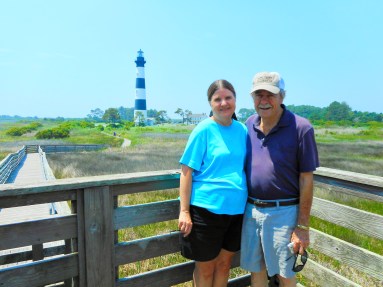
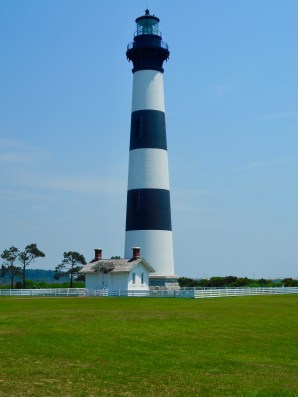 At the Southern Beaches you will find less commercialism and more natural beauty, starting with a visit to Bodie Island and the Bodie Island Lighthouse. A marvelous nature trail and boardwalk leads out to the black-and-white striped 156-foot lighthouse, opened in 1872. For a fee you can also climb the lighthouse if you wish.
- Beyond the Bodie area, after crossing the new bridge, you move into the protected land of the Cape Hatteras National Seashore. As you drive along Highway 12 you can look to the left to see the dunes and the ocean or to your right and gaze across the Croatan Sound – and with no motels or commercial development for miles and miles. The park has created designated parking spots to stop and enjoy the beaches. Do use them as we saw a tourist with his car mired in the sand for trying to park where he shouldn’t.
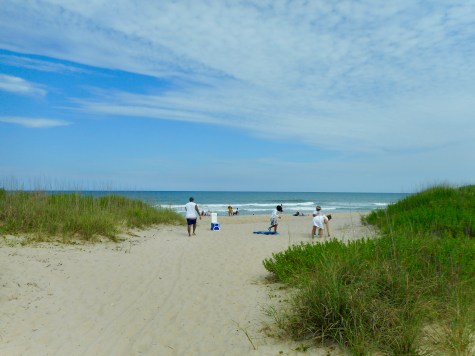
- As you enter the 6000-acre Pea Island National Wildlife Refuge, do stop at the wonderful visitor center with its exhibits and learn about the refuge from the knowledgeable staff there. There is also a nice crossing to the beach right across the street from the center for a little time by the ocean.
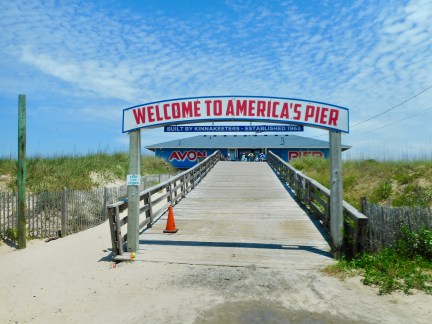 Further along, we found spots of interest to stop and explore. We moved through the towns of Rodanthe, Waves, and Salvo rather quickly, glad to get back into the National Seashore again. We did enjoy stopping in Avon to see the huge 665-foot Avon Fishing Pier. You can spend the day fishing there for a fee but for sightseers you can also walk out to enjoy the views for only two dollars..
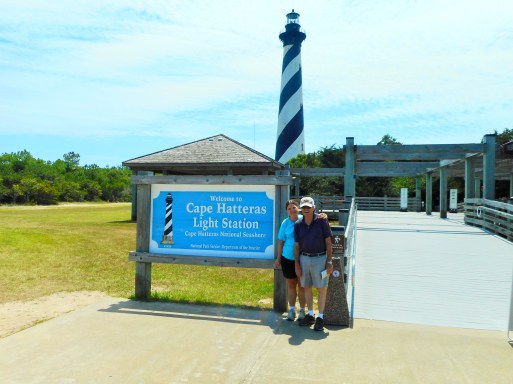 At Cape Hatteras, we went to see the third of the Outer Banks lighthouses, The 193-foot Cape Hatteras Lighthouse is a black-and-white “barber-shop” striped lighthouse. It’s important that all lighthouses look different in color, for recognition by day, and by night with different flash patterns to identify them to guide ships safely in the dark. Due to time limitations, we didn’t take the long ferry to Ocracoke to see the fourth Outer Banks Lighthouse … but if you have a lot of time, a visit to quiet Ocracoke is nice to add to your Outer Banks travel list.
- For one final treat before leaving Hatteras, drive down past the ferry terminal to see the Graveyard of the Atlantic Museum with its interesting maritime exhibits. And stop in Rodanthe on the way back to visit the old Chicamaconico U.S. Lifesaving station and learn about sea rescues.
 Even though the Outer Banks have grown more commercial—and I’m aware many people like that type of vacation spot best—it is still a beautiful place to visit. At the Welcome Center after crossing the bridge onto Roanoke Island, stop to pick up brochures and maps that will help you enjoy your visit more. We visited in June, one of the Outer Banks busier times, but if you visit in the “shoulder seasons” rather in the summer you will find the area somewhat quieter and less trafficked.
See you next month! … Lin
Note: All photos my own, from royalty free sites, or used only as a part of my author repurposed storyboards shown only for educational and illustrative purposes, acc to the Fair Use Copyright law, Section 107 of the Copyright Act
 “It is good and right that we should conserve these mountain heights of the old frontier for the benefit of the American people.” – F. D. Roosevelt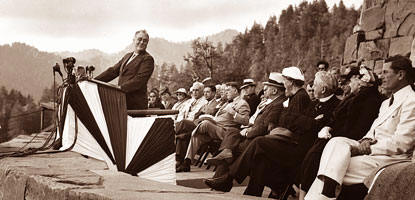
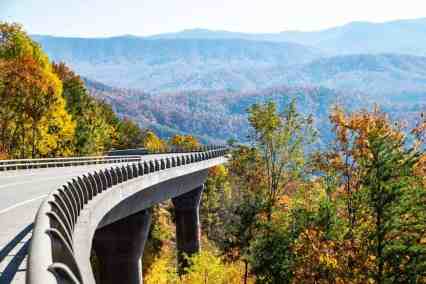 The drive to create a park grew in the 1920s, and most of the early supporters lived in Knoxville, Tennessee, and Asheville, North Carolina. Competitive at first, the two groups later joined ranks and began pulling together for the park to be located between the two cities. In May of 1926 a bill was signed into law by President Calvin Coolidge to provide for the establishment of the Great Smoky Mountains National Park. This bill allowed the Department of the Interior to assume responsibility for administration and protection of a park in the Smokies as soon as 150,000 acres of land had been purchased of the 520,000 acres of selected parkland.
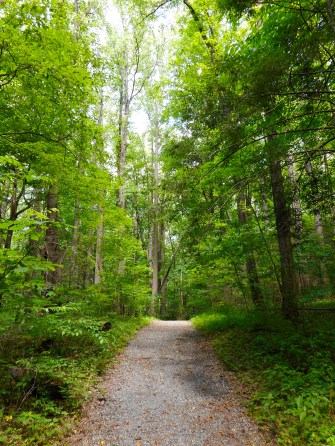 That’s when things got really interesting. Since the government was not allowed to buy land for national park use, the former political boosters had to become fund raisers. Money was appropriated by the TN and NC legislatures but the rest was raised by the people and through private donations. The next challenge was attaining the land. Unlike earlier parks created in the west on vast tracts of lands already owned by the government, these eastern lands in Tennessee and western North Carolina were privately owned. Eighty-five percent of the land was owned by logging companies and the other 15% by farmers, individuals, and businesses – none of whom felt eager to relinquish their property. However, the lands were finally purchased and in 1934 the deeds for all the parklands were transferred to the federal government, who formally established the Great Smoky Mountains as a national park on June 15, 1934. Much of the building of the park’s bridges, and structures were done by the CCCs in the 1930s and early 1940s. And in September, 1940, the park was formally dedicated at Newfound Gap by President Franklin Roosevelt.
 Even before the park became a reality, early settlers were helping to make the mountains known – literally by first coming here. Perhaps you, like myself, can trace your ancestry back to some of the first settlers to Tennessee or North Carolina and maybe back to some of the first settlers to the Smoky Mountain region.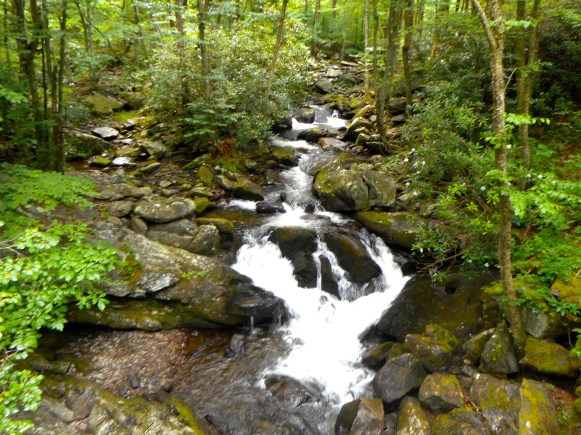
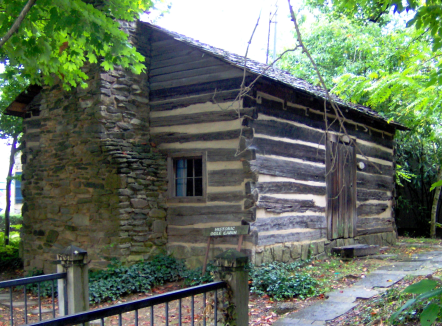 Martha Ogle is believed to be the first settler to the Gatlinburg/ Smokies area, then called White Oak Flats in the early 1800s. A recent widow, she came with her family to start a new life in what her late husband had described as a “land of paradise.” These early times in the 1800s were difficult in this rural area and it took hard work to survive and thrive. As families like Martha Ogle’s came into the wilderness and carved out homes and lives, others followed, including Reagans, Whaleys, Trentams, and Bales … and Radford Gatlin, for whom Gatlinburg was named.
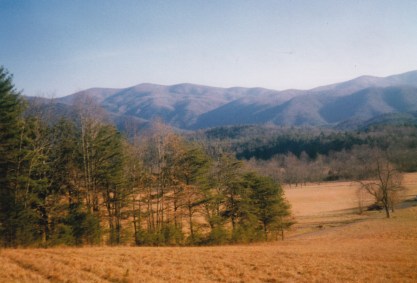 John Oliver and his wife Lucretia Frazier Oliver were the first permanent settlers in Cades Cove. John came from a respected family in upper east Tennessee near Elizabethton. Lucretia had been a bound girl, orphaned out to another family to raise before being courted by John. They married in April, 1812. But their early marriage was interrupted by the War of 1812. John marched off and served under the command of General Andrew Jackson in the Horseshoe Bend area of Alabama. After he returned, the couple lived for a time in Carter County, where John worked as a collier, struggling with hard times, before the opportunity came to migrate to Tennessee.
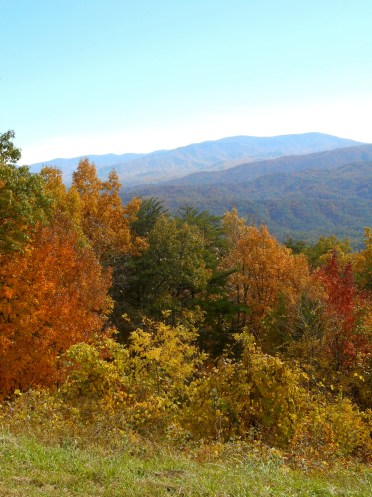 The Olivers, along with Joshua Jobe, who initially persuaded them to settle in the cove, traveled 125 miles from Carter County to Cades Cove, a journey that took 8 to 10 days then with no roads and only Indian trails to follow. Lucretia had a small baby when they left and she was pregnant with a second child. It must have been a very difficult trip. Like Martha Ogle’s family, the Olivers probably came in the 1800s with little more than the clothes on their backs, a rifle, a good ax, knives, utensils and dishes, a skillet and Dutch oven, blankets and other necessities. The cove was not cleared when they arrived, and bears, mountain lions, panthers and other kinds of wildlife permeated the forest.
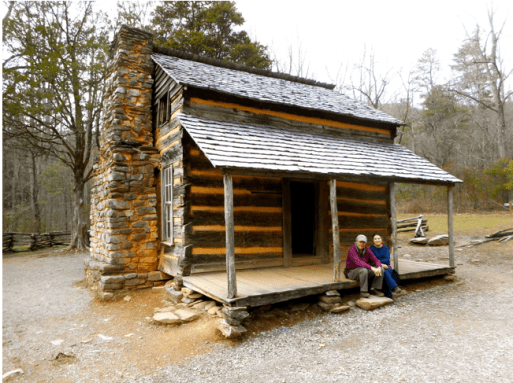 They wintered in an abandoned Cherokee hut until Jobe returned in the Spring with other settlers and a herd of cattle in tow. He gave the Olivers two milk cows to ease their complaints but it must have been a hard, scary first winter for them. With warmer weather, they built a crude first home, and later a larger cabin. They cleared land for crops and fruit trees, built barns, corncribs, and fences. They raised nine children in their small log cabin. The Oliver cabin you visit, when in Cades Cove today, was built by John Oliver as a “starter“ house for their son when he married. The original Oliver cabin actually lay about 50 yards away and no longer stands.
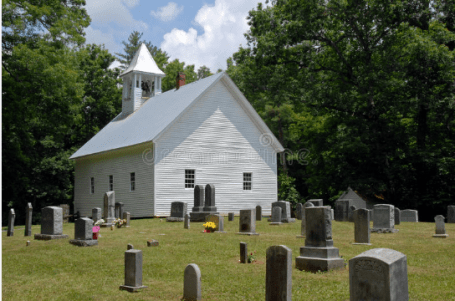 Cades Cove actually belonged to the Cherokee Nation prior to 1818, who hunted and fished in it, so in a sense the land had. barely opened for settlement when the Olivers came. However, a year after the Olivers arrived, the Cherokee released their claim to the land through the Calhoun Treaty, opening the door for more settlement. Other families soon followed in the 1820s … the Tiptons, Shields, Burchfields, Cables, Sparks, and Gregories. They gradually established churches, the first grist mill, and schools. Each family provided for their own and all joined in for common celebrations, gatherings, church and school events, funerals and weddings.
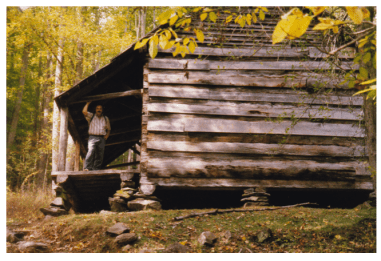 Most of the earliest settlers to the North Carolina areas, that are now part of the Great Smoky Mountains, came to the Oconoluftee area near Cherokee and to the Cataloochee Valley in Western North Carolina. First settlers to Oconoluftee were Jacob Mingus, who built Mingus Mill, Ralph Hughes, Abraham Enloe and others. In Cataloochee the Caldwells, Palmers, Cooks and Messers were early arrivals, and despite its remote location, the Cataloochee area grew and prospered more than other early mountain settlements.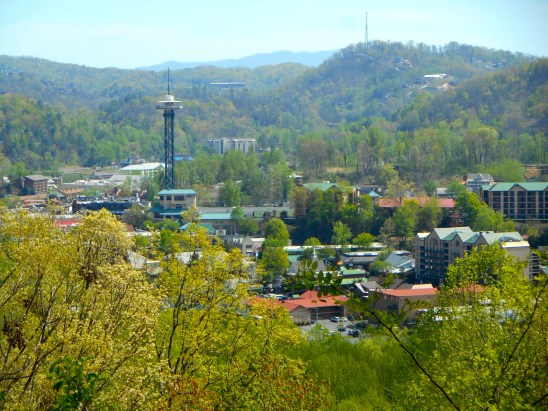
 I noted when looking ahead at upcoming June holidays that May 7th is NATIONAL SCRAPBOOKING DAY…. So I decided to research that subject and write about it for my blog this month. The holiday, initially created in 1994, is always celebrated on the first Saturday in May to “showcase scrapbooking.” The holiday was designed to introduce people to the craft and hobby of scrapbooking and even to define the art.
 Scrapbooking began in England before coming to the United States. The first scrapbooks emerged in the 1400s in personal diaries and booklets as a way to compile recipes, thoughts, poems, and quotations. The practice grew more with the invention of the printing press in the 1440s, and scholars soon used the scrapbooking idea as a way to preserve academic studies and later artwork and other written accounts on particular subjects. Ladies soon began to scrapbook, too, in order to save keepsakes, thoughts, and mementos. In the Victorian era, the practice of scrapbooking began to really grow with the invention of photography and the industrial printing press in the 1800s. Greeting cards, postcards, calling cards, family photos, and a variety of keepsakes began to be saved and preserved in scrapbooks, and the use of the word “scrapbook” evolved then, too.
 In the twentieth century, with the development of the camera, like the early Brownie, allowing individuals to make their own photos, scrapbooking albums became even more popular. Old photos and records, often kept in family Bibles, began to be recorded and kept in other keepsake books. Mark Twain, a writer and inventor, actually created and patented a self-pasting scrapbook in 1872 and a variety of different scrapbooks followed. Brides soon began creating wedding scrapbooks, and individuals and families began to create family photo albums, school memory books, and travel books. In the 1940s, baby scrapbooks began to emerge, providing a place to save baby and toddler photos and to record early “baby life” notes.
 In the 1960s, the introduction of color film made scrapbooks more “colorful” and as the 1970s began, scrapbooks with pull-up plastic pages emerged, inexpensive and soon very popular. Photos and memorabilia could be placed on the page and the plastic sheet sealed over all. My mother never did much with scrapbooking, putting most photos into boxes and drawers, but I loved it and started scrapbooking when J.L. and I got engaged and planned to marry.
 When the children came I made baby albums for each of them. These were big books with places for birth certificates, a place to list visitors to the hospital and baby gifts, fill-in pages for the family tree, pages for footprints and hand prints, weight and height charts. They also included an assortment of fill ins for baby “firsts” and memorable moments, and places to paste in photos of baby’s first home and other specific pictures. There were slots for keepsakes, too, like early birthday cards, baptism records, and art, with the back of the book filled with 8×10 photo sleeves for more pictures. I, admittedly, had many sentimental moments today looking through those books to write this blog.
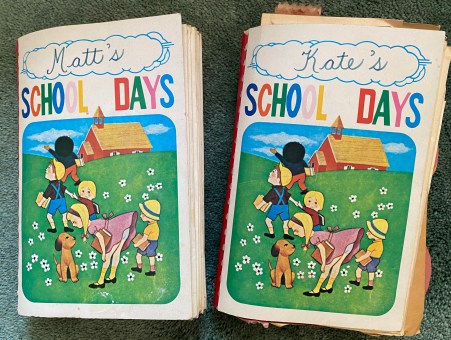 Later, when our two children’s school years began, I bought these cute and colorful “School Years” books to continue recording their young memories. There are pages for every school year from first grade to eleventh grade, where I put their school photos each year, along with their teachers’ names, height, weight, school friends, awards and achievements, and special activities. I noticed today in Max’s book that he said in first grade, that when he grew up, he wanted to be an artist … And he is, an artist and an art teacher. Kate said she wanted to be an actress in first grade, two years later an artist, later a writer, and for several years a fashion designer and buyer. Perhaps now as a media librarian she’s been able to act out several of those roles!
 A friend of mine said once I was “scrapbooking” before it became a popular craft and I probably was. By the 1990s, though, the “scrapbooking” craze sort of hit in America with scrapbooking stores, courses, scrapbooking magazines and even scrapbooking events, like quilting bees, where women met to work on their scrapbooks together. An extensive array of scrapbooking materials became available then, too, and still are available … but I just continued making my own books in my own way with clip-outs from magazines, quotes I liked, and saved memory items like tickets from a theatre event, a special greeting card, or a newspaper article clipping.
 For those who want to get into scrapbooking, there are many helpful websites you can check out full of ideas. One well-known one is scrapbook.com. Additionally, there are many YouTubes that show and teach visually “how to scrapbook,” chocked full of creative ideas. There is also a great “Everything About Scrapbooking” page online with a Step-by-Step Guide to making a scrapbook if you’re interested in a how-to article. However, you shouldn’t decide you’re not creative or gifted enough to scrapbook. You really don’t have to be. Keep in mind people have been finding ways to scrapbook and save their photos and stories since the 1400s, and you can, too. It is a wonderful gift you can give yourself to organize your photos into special books with names, dates, and places you can enjoy for years as “Memory Books” of your life. These scrapbook albums will be a legacy for your children, too.
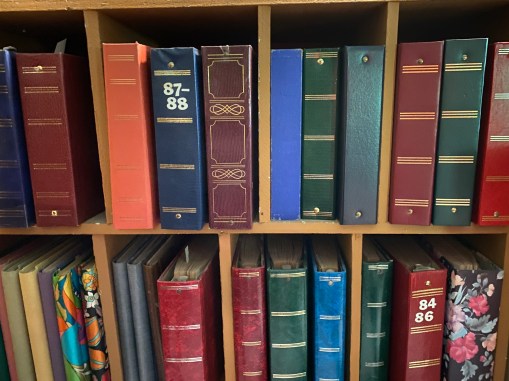
 J.L. and I have been “scrapbooking” now for over 50 years of our marriage and our books are all kept in a downstairs bookshelf that once held our record albums. You can see that shelf in an earlier picture. One of my summer tasks will be to sit down and put the last batch of photos I had printed into scrapbooks. Then I need to decide which photos in my “online photos” I want to print and keep, dumping the rest. I know most people retain photos totally online today … but I think they miss a lot of pleasure only keeping their memories that way. I still love having something tangible I can look at, layered with all my little notes and extras, like bookmarks, newspaper articles about my books, pictures at book signings, photos of our hikes, explorations in the parks and outdoors, memories with friends, holiday gatherings, and more. My scrapbooks truly are J.L.’s and my life story, filled with all our special memories and adventures.
 The three months of Spring are March, April and May. In spring the days grow warmer, longer, and the flowers bloom. Many animals that have hibernated come out and dormant plants begin to grow again. The grass greens and the leaves bud and burst out in soft yellow green and fresh rich color after the dormant winter. Animals have babies, birds hatch out of their eggs and baby birds learn to sing with their parents, all rejoicing in this glorious time of year. Spring is the season of refreshing, rebirth, and rejuvenation. A lovely quote says: “Spring adds new life and new beauty to all that is.”
 I know spring comes at different times in different parts of America and at various times around the world. But here in Tennessee, spring begins in March, with the days beginning to warm into the sixties and even seventies, along with occasional cold spurts. In March, East Tennessee still might have an occasional reminder of winter—a week of icy days or an unexpected snow. By April and May the cold spells begin to diminish and don’t last long. The old Timers gave these Appalachian cold spells specific names, mostly coinciding with trees, shrubs, and flowers in bloom at the time: (1) Redbud Winter in early April; (2) Dogwood Winter in late April, (3) Locust Winter in early May; (4) Blackberry Winter in mid-May; and (5) Britches Winter in late May.
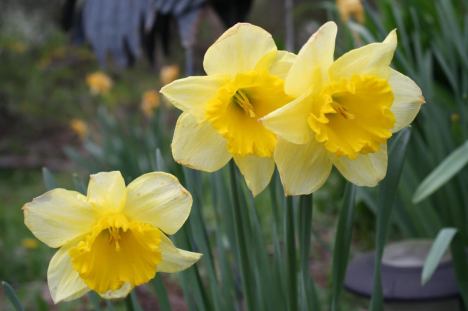 Daffodil shows and events celebrate spring coming to the area and the daffodils planted along much of the Pellissippi Parkway in Knoxville begin to bloom out. Maria de la Luz Compere spearheaded the planting of at least 1.7 million daffodil bulbs along the Pellissippi Parkway, leaving everyone a beautiful legacy to enjoy. Wordsworth wrote: “if one daffodil is worth a thousand pleasures, then one is too few.” This could well be the motto of many around Knoxville, where I live, because the yards, gardens, and roadsides are thick with daffodils of all colors and types as March comes to our area of the world.
 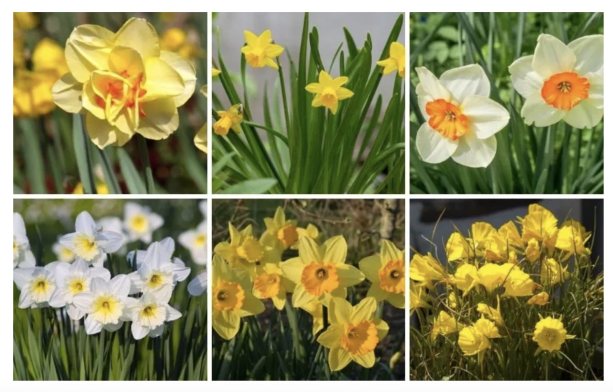 Daffodils are not the only flowers to bloom in March, even if the most prolific. Other early flowers begin to pop out in the yards and beds, like snowdrops, crocus, and then the blooming shrubs and trees—like yellow forsythia, white flowering pear trees, and the gorgeous magenta pink tulip trees with their cup-shaped blossoms.
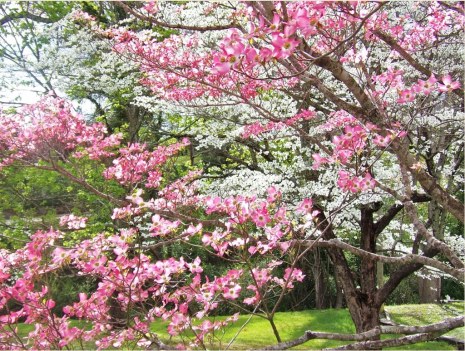 In April more flowers begin to appear … and in Knoxville this is the month when the Dogwood Arts Festival begins. This annual festival has been going on in Knoxville since the 1950s when several Knoxville communities, with a lot of dogwood and redbud trees, created “Dogwood Trails” to showcase their neighborhoods. Driving along the blazed trails, you could enjoy all the trees, daffodils, tulips, and other blooming flowers and shrubs. Over time, getting into the spirit of the event, people all over Knoxville began to plant even more dogwoods, redbuds, and blooming trees.
  In 1970, the Dogwood Arts Festival started, and the entire month of April is now spotted with art-related and cultural events. One of the original dogwood trails winds through my old South Knoxville neighborhood where I grew up and several others are located close to the West Knoxville neighborhood where I live now—especially the Sequoyah Hills trail that opened in 1955. One of my other favorite April flowering trees on this trail, in addition to the dogwoods, are the Kwanzan cherry trees with their pink, fluffy, double blooms.
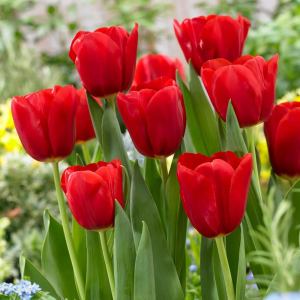
 I think April is the richest time for flowers. So many varieties begin to pop out in this month. Every day when I take my walks around the neighborhood I see more shrubs, trees, and flowers in bloom and I love watching the trees grow greener and more lush every day. Tulips, creeping phlox, iris, candytuft, and even some early pansies begin showing off in April and, in the Smoky Mountains and rural woods and fields, the wildflowers begin to appear, bringing tourists flocking to our mountains with their cameras, eager to see the trillium, wild violets, bloodroot, lady’s slippers, and other beauties.
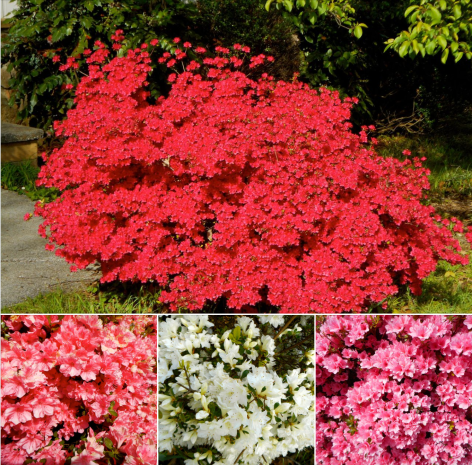 The month of May brings even more spring flowers and more spring events. I remember May Day celebrations at school when I was a girl, with the May pole and various outdoor contests and events. To me the end of April and early May are always “Azalea Time, ” too, and the azaleas have been glorious this year. No freezes came in Knoxville to nip their early buds and I don’t think I have ever seen the azalea more beautiful—and in so many different colors … pinks, white, reds, salmon, lilac, and magenta.
  More outdoor yard work begins in May, too, as many people around East Tennessee start putting in their gardens and planting more flowers to enjoy, feeling safe, at last, from the chance of freezes and more cold snaps.
 L.M. Montgomery wrote: “Nothing seems impossible in spring.” And whenever we see flowers coming back after a harsh cold winter it breeds hope in us, too. If you’ll let it, spring will make your heart sing with new hope and vision. I love Robert Orben’s words: “Spring is God’s way of saying, One more time!” … Blessings to you.
 My husband J.L. and I have a daily devotional guide publishing this month called A JOURNEY OF WORDS. You might ask what exactly is a day-to-day devotional and why does anyone need one?
 We can rarely grow in knowledge in any subject area without study. A strong knowledgeable faith doesn’t simply fall on us or happen without effort. It comes by giving disciplined, committed time and study to increase in wisdom, understanding, and expertise—just like growing in knowledge in any other subject area. When you spend quality time with God you’ll not only gain more spiritual wisdom and understanding, you’ll grow into a closer, deeper place of faith. Studying to grow in God always has big rewards and blessings. Even the best of church services only offers a small window of time once a week for spiritual growth. And just as one meal a week won’t sustain us physically, one spiritual meal a week won’t either. Spending time with God every day is a needed discipline, good to cultivate, that helps you learn to lean to God to direct your life and path versus learning to your own understanding and the world’s voice and persuasion {Prov 3:5-6]. Joyce Meyer wrote: “If you make time with God your first priority, everything else will fall into place.”
 In a spiritual sense, the word “devotion” in itself refers to the deep love and commitment we give to God in our lives, in time, study, and prayers. If you’re devoted to someone you don’t simply care about them in a part-time, lackadaisical way, you care about them in a full-time, loving, committed way. As an extra plus, when you’re fully committed and devoted to God, He in return is totally devoted to you. Charles Stanley wrote: “God takes full responsibility for the life wholly devoted to Him.” It’s comforting to realize devotion to God is always lovingly returned. That isn’t true of many things and people we give our love and commitment to.
 A sweet quote by Elizabeth George says: “The more time you spend with God, the more you will resemble Him.” We do become more and more like those we associate with, for the good or for the bad. “The key is to keep company only with people who uplift you, whose presence calls forth your best.” [Epictetus] We can be assured that spending quality time with God will always call forth our best.
 APRIL 1 – The Word for the Day is “Shower”
  Readers often ask me where I get the ideas for my books. In looking back at over twenty published novels now I think my main answer would be that “places inspire my stories.” It is often while traveling around East Tennessee, hiking in the Smokies, or visiting the beach in South Carolina when ideas for books slip into my heart and mind. Suddenly in those moments I can see book characters walking around in my thoughts, the concept of a new story drifting to life.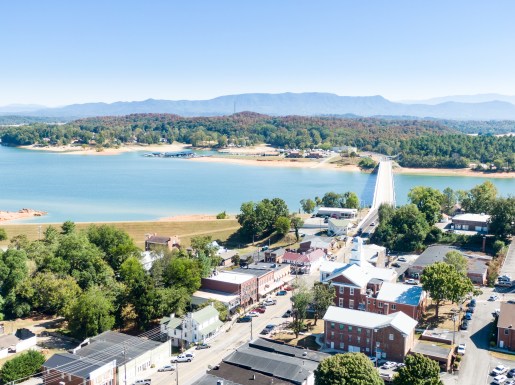
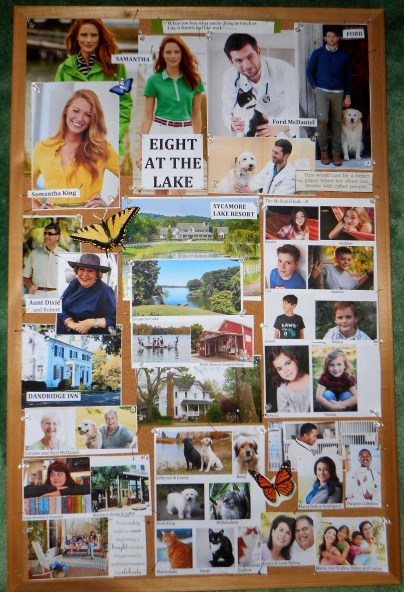 Perhaps this ongoing request fired the idea for the eight children, in EIGHT AT THE LAKE, being raised by Ford McDaniel. Ford is a local veterinarian in Dandridge and part-owner with his father of Sycamore Lake Resort. Quite frankly, Ford has many days himself, when he wonders how in the world he ended up with eight kids to raise. My other major character in this book, Samantha King, grew up in Dandridge at a lovely old Bed & Breakfast belonging to her Aunt Dixie. She and Ford McDaniel have nothing in common. Samantha is a well-known storm chaser and meteorologist with a national weather channel in Atlanta. She travels constantly across the U.S. covering storms, her world an exciting one compared to Ford’s life in a small, quiet town in rural Tennessee. The only reason Samantha is in Dandridge at all is to recover from an accident, and she is already champing at the bit to get back to work as the story begins.
 You’ll find a synopsis of the book on the front page of my website at:
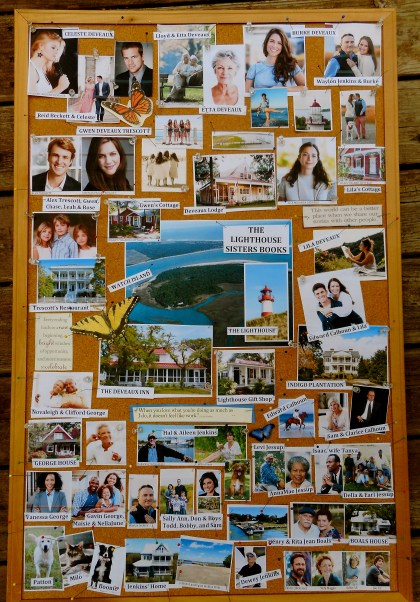 Old maps call the small island at Edisto’s north end, Botany Bay Island, and it took only a small jump of my imagination to imagine a lighthouse and inn sitting there. The entire island had been separated from the mainland of Edisto in Hurricane Gracie and now could only be accessed by boat—a perfect spot for my story idea of four sisters growing up at a lighthouse. Since the name Botany Bay is now so associated with the Botany Bay Wildlife Preserve, I decided to call the island Watch Island in my book, using one of its old names from the past, and I decided to name my fictitious lighthouse after the Deveaux Bank bird sanctuary nearby and after the equally fictitious Deveaux family, who had been keepers at the lighthouse since its earliest days. Not living as close to Edisto as I do to the Smoky Mountains, I gathered more research online, bought history books about the Lowcountry and Edisto, and made extra visits to South Carolina to work on developing the concept for the four books that will be in this new series.
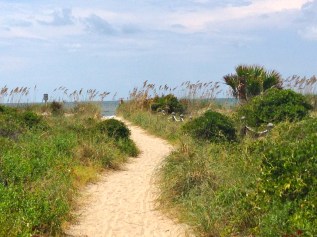 I hope you’ll enjoy taking a trip to the South Carolina coast in the first book in the Lighthouse Sisters series LIGHT THE WAY and also in visiting the mountains and Dandridge in EIGHT AT THE LAKE. “Where are you taking me next year?” one of my readers asked recently. The answer is to Cherokee, North Carolina, in a rich new Mountain Home story titled SEEKING AYITA – and also back to the beach again for the second of the Lighthouse Sisters books titled LIGHTEN MY HEART.
 Lin Stepp