 THOSE OLD PROVERBS AND SAYINGS WERE FULL OF COMMON SENSE
Proverbs and sayings are short expressions of wisdom that convey meaning, beliefs, and insights. They are a part of the oral traditions of a society, often repeated, gradually memorized, and passed down through the generations. Although short, they often offer and portray strong philosophical ideas and sound ethical instruction for living.
 For most of us we have heard many of these old proverbs so often that we find ourselves recalling them in our minds or saying them out loud when facing or observing certain life situations. Most proverbs are anonymous and unknown in origin, while many echo Biblical origins, like those from the Book of Proverbs. Many sayings are very old in origin, while some are newer. Many were written down in Benjamin Franklin’s 1732 Poor Richard’s Almanack. Other well-known sayings and bits of wisdom and humor come from more contemporary authors like Erma Bombeck, Garrison Keillor and even Dr. Seuss or from stories, articles, poems, songs and even commercial jingles.
 Most all the best-known proverbs are short, from a few words in length like “Forewarned is forearmed” to simple sentences like the Seuss quote: “The more that you read, the more things you will know; the more than you learn, the more places you’ll go” or Erma Bombeck’s witty words: “The grass is always greener over the septic tank.” … In general, proverbs are a simple way of expressing a well-known truth or adage based on common sense or reasoning. Through proverbs and sayings a culture passes along wise truths in an easy, memorable way. The short sayings are interwoven into the daily speech of parents, family members, teachers and others and soon captured and held in the memory.
The value of proverbs is in the wisdom, morality, and common sense they offer for living life wisely and well. Below are some examples of these sayings on a variety of subjects. Some you may know well and some may be new to you. The art of proverbs and sayings is that they seldom need much explanation to be well understood for their wisdom. We would be well-advised to memorize more of these wise words and to repeat and teach them to our children and grandchildren.
 PROVERBS AND SAYINGS ABOUT HEALTHY LIVING
- An apple a day keeps the doctor away.
- Good health is above wealth.
- An ounce of prevention is worth a pound of cure.
- You are what you eat.
- Cleanliness is next to godliness.
- Old habits die hard.
- It’s not worth crying over spilt milk.
- Don’t bite the hand that feeds you.
- Don’t dig your grave with your own knife and fork.
- Take care of your body; it’s the only place you have to live.
- The six best doctors: sunshine, water, rest, air, exercise, and diet.
- Everything in moderation.
- Whatever you feed will grow: faith or fear.
- What goes around, comes around.
- Eat to live; don’t live to eat.
- A healthy outside starts inside.
- Every day we get a chance and a choice.
- It ain’t over until the fat lady sings.
- There’s many a good tune played on an old fiddle.
 PROVERBS AND SAYINGS ABOUT DAILY LIFE
- He who plants a tree, plants for posterity.
- Make hay while the sun shines.
- Life is what you make it.
- Haste makes waste.
- Look before you leap.
- Better safe than sorry.
- In every life, a little rain must fall.
- The best things in life are free.
- Time waits for no man.
- Never out off until tomorrow what you can do today.
- Things are not always what they seem.
- The best defense is a good offense.
- Variety is the spice of life.
- The best doctor gives the least medicine.
- Life is too precious to only watch it; go live it.
- If you can’t live longer, live deeper.
- Change how you see and see how you change.
- God helps those who help themselves.
 PROVERBS AND SAYING ABOUT GETTING ALONG WITH OTHERS
- Actions speak louder than words.
- A man is known by the company he keeps.
- Advice when most needed is least heeded.
- Do onto others as you would have them do unto you.
- He who is master of himself will soon be master of others.
- He who plants thorns must never expect to gather roses.
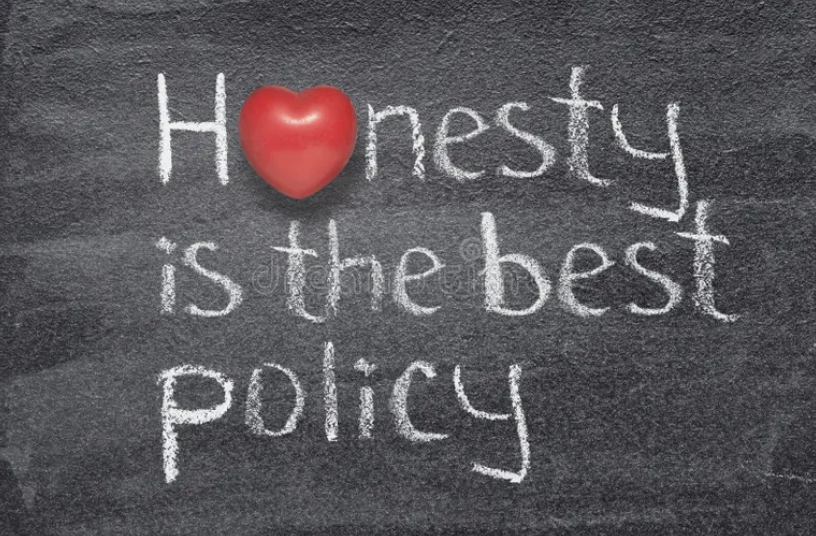
- Honesty is the best policy.
- The cream always rises.
- Don’t judge a book by its cover.
- He who forgives ends the quarrel.
- Practice what you preach.
- Nothing is so full of victory as patience.
- Too many cooks spoil the broth.
- United we stand, divided we fall.
- Everyone needs help at some time.
- There is no pillow so soft as a clear conscience.
- Always look for the good in others.
- Confession is good for the soul.
- If at first you don’t succeed, try again.
 PROVERBS AND SAYINGS ABOUT WISDOM AND FINANCES
- All that glitters isn’t gold.
- A fool and his money are soon parted.
- If wishes were horses, beggars would ride.
- Diligence is the mother of good fortune.
- Money doesn’t grow on trees.
- The more you get, the more you want.
- The love of money is the root of all evil.
- Don’t throw out the baby with the bath water.
- You can’t take it with you when you die.
- A penny saved is a penny earned.
- Business before pleasure.
- If at first you don’t succeed, try, try again.
- Diligence is the mother of good fortune.
- If there’s a will, there’s a way.
- Don’t put the cart before the horse.
- As you sow, so shall you reap.
 PROVERBS AND SAYINGS FOR PRUDENT LIVING
- An ounce of prevention is worth a pound of cure.
- It is better to take many injuries than to give one
- A bird in the hand is worth two in the bush.
- A stitch in time saves nine.
- Opportunity seldom knocks twice.
- Don’t cross the bridge until you come to it.
- Let sleeping dogs lie.
- Waste not, want not.
- Necessity is the mother of invention.
- A place for everything and everything in its place.
- Don’t buy a pig in a poke.
- Burnet child dreads fire.
- Never go to a doctor whose office plants have died.
- Don’t make a mountain out of a molehill.
- A rolling stone gathers no moss.
- Don’t count your chickens before they’re hatched.
- A tree that is unbending is easily broken.
 PROVERBS AND SAYINGS ABOUT WORK
- Hard work never did anyone any harm.
- Failing to plan is planning to fail.
- The first step is the hardest.
- If a job’s worth doing, it’s worth doing well.
- A journey of a thousand miles begins with a single step.
- Paths are made by walking.
- Think first and then speak.
- Hindsight is always twenty-twenty.
- Easier said than done.
- Practice what you preach.
- Rome wasn’t built in a day.
- Don’t change horses in mid-stream.
- A wheel that turns gathers no rust.
- You don’t get something for nothing.
- Many hands make light work.
- Don’t give up before you get started.
- Begin to weave and God will give the thread.
- Focus on what’s right in your world instead of what’s wrong.
 PROVERBS AND SAYINGS ABOUT LIFE’S MISTAKES
- You can’t unscramble eggs.
- Chickens will come home to roost.
- Surrounding yourself with dwarves does not make you a giant.
- If you don’t want anyone to find out, don’t do it.
- Worry is worshipping the problem.
- The ax forgets but the tree remembers.
- You can’t win them all.
- A stumble is not a fall.
- You can’t please everyone.
- If you fell down yesterday, stand up today.
- Never give up on yourself.
- No point in beating a dead horse.
- No man can paddle two canoes at the same time.
- Don’t be getting too big for your britches.
- Always bury the hatchet.
- A house divided cannot stand.
- Fall seven times, stand up eight.
- Don’t do in the dark what you don’t want brought out in the light.
 PROVERBS AND SAYINGS ABOUT RELATIONSHIPS
- Faint heart never won fair lady.
- You catch more flies with honey than vinegar.
- It’s no use locking the stable door after the horse has bolted.
- Oil and water don’t mix.
- If you want to go far, go together.
- Coffee and loved taste best when hot.
- Two wrongs do not make a right.
- Always be the first one to say you’re sorry.
- It’s an equal failing to trust everybody- and to trust nobody.
- He who falls in love with himself will have no rivals.
- Let bygones be bygones.
- It is better to give than to receive.
- Two heads are better than one.
- You can’t have it both ways.
- If you lie down with dogs, you’ll get up with fleas.
- Know that the most beautiful fig may contain a worm.
- Share and share alike.
- The best candle is understanding.
- What you see in yourself is what you see in the world.
 PROVERBS AND SAYINGS ABOUT THE WORDS YOU SPEAK
- Speech is silver, silence is golden.
- Well done is better than well said.
- First think and then speak.
- Discretion is the better part of valor.
- There are two sides to every question.
- The words you speak are the house you live in.
- To err is human, to forgive divine.
- To talk without thinking is to shoot without aiming.
- A man’s ruin lies in his tongue.
- Saying is just saying; seeing is believing.
- It went in one ear and out the other.
- Better a slip with foot than tongue.
- Empty vessels make the most noise.
- Let your conscience be your guide.
- The pen is mightier than the sword.
- Of all the words of tongue or pen, the saddest yet it might have been.
 PROVERBS ABOUT LEARNING AND EDUCATION
- The beautiful thing about learning is nobody can take it from you.
- Anyone who stops learning is old.
- Education is a better safeguard of liberty than a standing army.
- Failure teaches success.
- Jack of all trades, master of none.
- It’s the early bird that gets the worm.
- If you are determined to learn, no one can stop you.
- If at first you don’t succeed, try again.
- Put your best food forward.
- Practice makes perfect.
- A teacher is better than two books.
- There’s always one more thing to learn.
- Spare the rod and spoil the child.
- Who God does not teach, man cannot.
- Idle hands are the devil’s workshop.
- You can drive a horse to water, but you can’t make him drink.
- The expert in anything was once a beginner.
- There’s no shame in not knowing; the shame lies in not finding out.
 I hope you’ve had fun reading all these old sayings and proverbs and, perhaps, remembering times when you’ve heard them or said them yourself. Think about the wisdom in these words this month … and try to live a little kinder and better. Like an old Maori proverb: “Turn your face toward the sun and the shadows fall behind you.” Every day can be a new day, and a better day, if you make it so. Those who wish to sing always find a song.
Check out my monthly newsletter, too, posted on my website with information about my new books and book signings and events at: https://linstepp.com/media-2/
See you again in May!!
Note: All photos my own, from royalty free sites, or used only as a part of my author repurposed storyboards shown only for educational and illustrative purposes, acc to the Fair Use Copyright law, Section 107 of the Copyright Act.
 I have a new book coming out April first, titled THE RED MILL BOOKSTORE. It’s my sixth book in the Mountain Home series… a new group of stand-alone novels set around the mountain areas near my home in Tennessee. These follow my earlier Smoky Mountain series of twelve books. Past Mountain Home books have taken readers to the small community of Happy Valley near the Foothills Parkway, to the Glades near Gatlinburg, to historic Dandridge, to Cherokee, and to the charm of Waynesville. THE RED MILL BOOKSTORE takes readers to Townsend, Tennessee, where I set two earlier books before, but this time with new characters and new places, as well as old familiar ones, and adding scenes around Walland, Rocky Branch, Maryville, and even a trip to Gatlinburg.
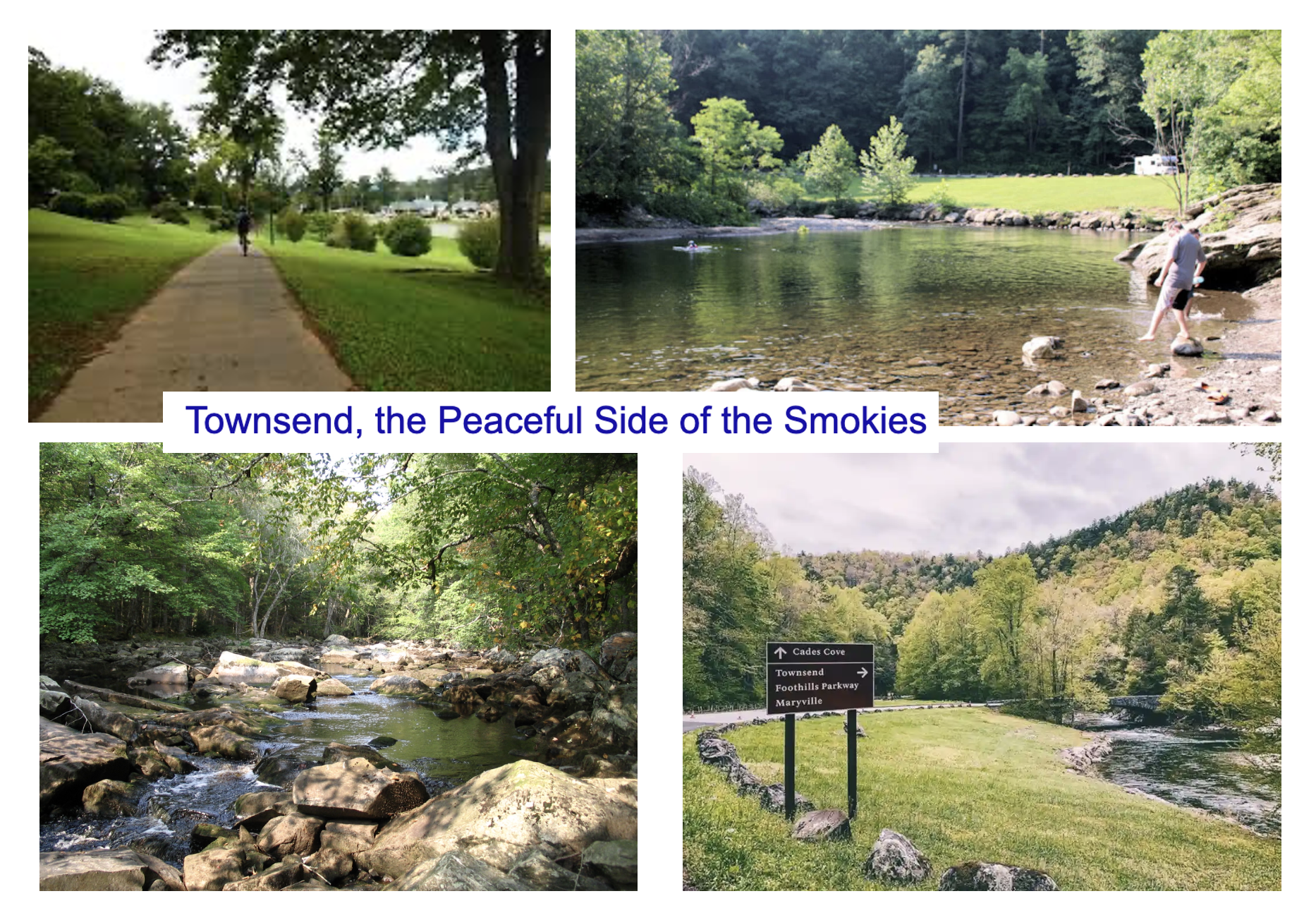 The idea for this book began when J.L. and I were driving through the Townsend area after a hike in the nearby Smoky Mountains. We stopped at a local drive-in on the highway that we love, called the Burger Master, to get a dip cone as a treat. As we left and drove up the main highway afterward, I noticed for the first time a mill dam spreading all the way across the Little River. I was already familiar with the Peery’s Mill dam closer to Maryville, but for some reason I’d never noticed this smaller one. Where there’s a mill dam, there was usually a mill at one time as mill dams were created to divert a swift stream of water into the mill to power it. My curiosity was up now, and J.L. and I stopped to walk closer to look at the spill of water cascading over the dam in a long waterfall. It didn’t take my active imagination long to imagine that a scenic old mill might have sat right across the river at one time long ago.
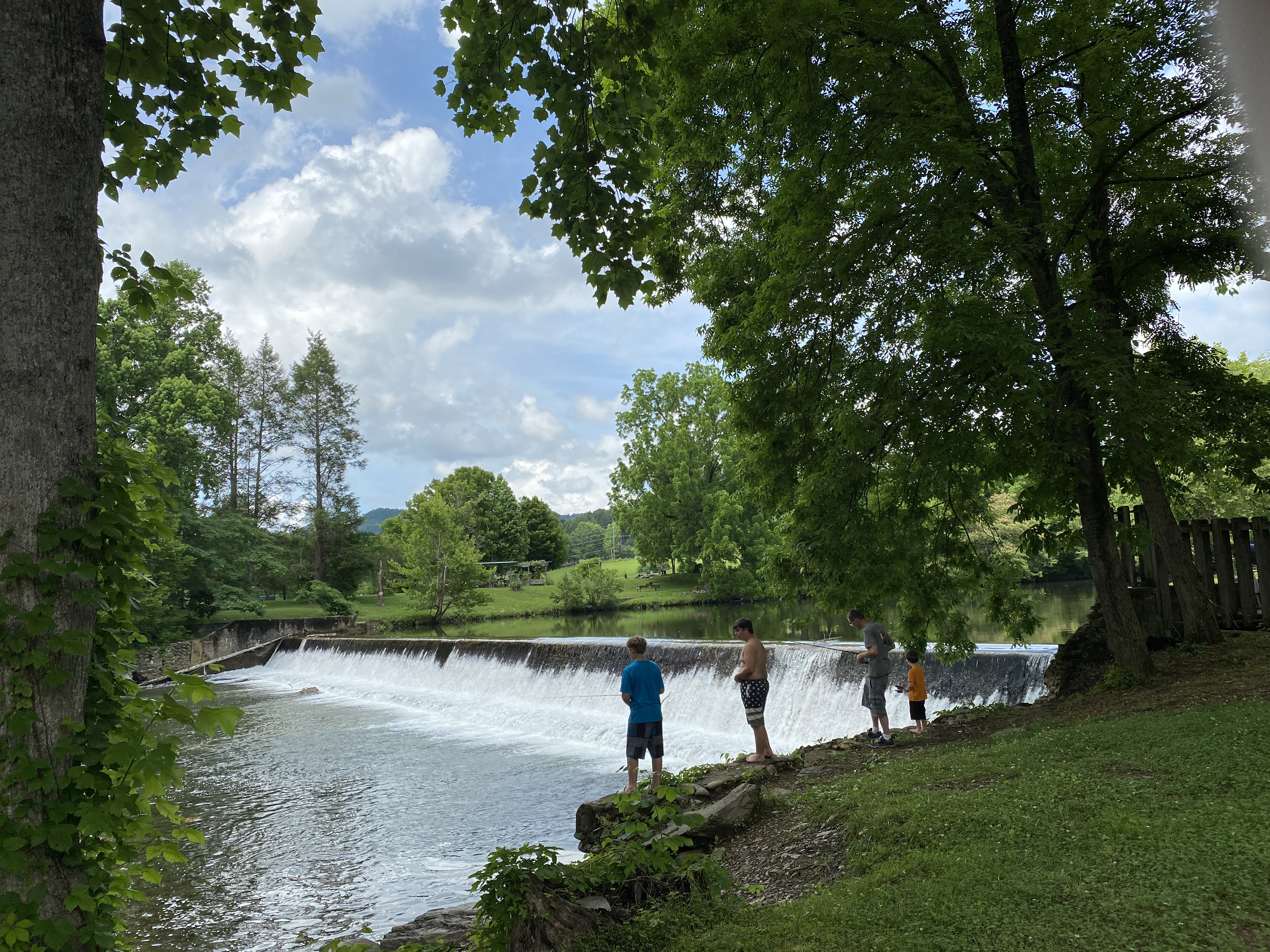 I’d already been wanting to set another book in the Townsend-Walland area, and J.L. and I had driven around both areas a few times exploring and looking for places to set a new book. After learning that few people seemed to even know the history of the mill dam in Townsend, I decided it would be fun to create a story around this site with a fictitious historic mill I decided to name the Red Mill. Over the weeks to come, around my other work, a new story linked to this mill began to develop in my imagination. My main characters I named Ella Quinn and Jesse Helton after finding photos that “felt” to me how they looked in my heart and mind. I like the characters in my books to look more like real and regular people rather than movie-star types. I decided Jesse would be a local boy with family in the area, but that Ella would come here for a stay at her Quinn grandparents, who owned and operated the Red Mill and lived on the land beside it. Early questions were: What had brought Ella to Townsend at this time? Where had she been? What had been going on in her life? And for Jesse: What might have brought him back home if he’d left earlier? To put a touch of fun in the story, I decided Ella and Jesse had known each other as kids, playing together when she came for visits at her grandparents. And now, of course, they’d both grown up and changed, with problems that needed to be worked out.
 Ella, I decided, would have come from Boston, Massachusetts, where she worked at a lovely downtown bookstore called the Chestnut Street Bookstore, owned by a gracious woman named Adelynn Lake, who had become like a mother to her. Adelynn’s death, the closing of the store, and Ella’s grandmother falling and breaking her arm would bring Ella back to Townsend for a time to help out and to try to figure out what to do next with her life. Family problems would have brought Jesse home after college, not revealed at once in the book but unfolding as the story progresses, adding to the unsolved mystery going on in my story.
 Around edits and publication of other books and ongoing signing events, J.L. and I took many fun trips over the months to the Townsend and Walland areas near the Smoky Mountains, visiting shops, restaurants, walking and exploring the biking and hiking trails, and driving down backroads to become familiar with the overall area that would be in my book. As my ideas grew, I scribbled notes on local maps, picked up brochures, and began to further develop the plots and adventures that would be in this new story. As my storyline and plot progressed, I decided to call this new novel THE RED MILL BOOKSTORE, and to create a local bookstore in the vacant historic store that stood right across from the old mill. The fact that Townsend doesn’t have a bookstore, that the local library closed in past and that my favorite Hastings Bookstore nearby in Maryville had closed, too, made me want to create a local place, if only in story, for book lovers and book signings.
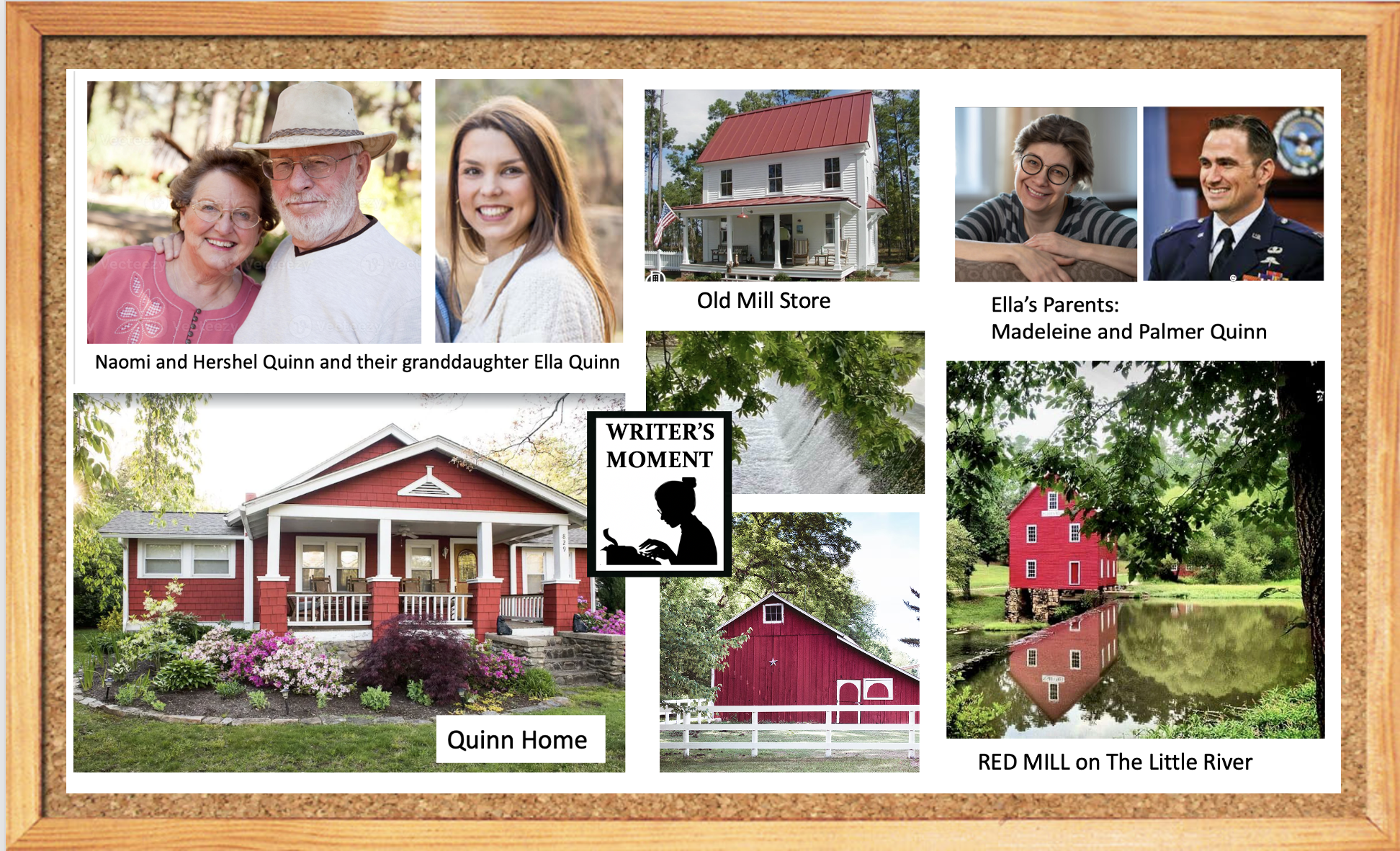 Secondary characters soon began to develop in my planning to enrich the story. I became especially fond of Jesse’s grandparents Naomi and Hershel Quinn, of Ella’s father Palmer Quinn in the Air Force, of her mother who’d died, her friends in Boston, and of the new friends she made in Townsend while visiting. It was a joy creating the historic property of the Red Mill, it story and land along the river, the Quinns’ home, and all the relatives and friends of their family.
 I did a lot of research to create a grist mill accurately for this book, visiting several old mills around the East Tennessee area and learning the history of grist mills and how they operate. Mills were linked into the entire fabric of the East Tennessee area, and I enjoyed talking to a lot of “old timers” and those who had grown up in the area to learn more about Townsend and Walland’s past. I took the tour of the Old Mill in Pigeon Forge, Tennessee, and was blessed that Emmett Denney gave my tour that day. He’d grown up in the Pigeon Forge area and had started working at the Old Mill at only sixteen, walking to work from his home nearby. He was a wealth of information and helped me to develop my Red Mill to be historically accurate.
 For Jesse’s family I created a local repair store, one of those wonderful small-town shops that can fix most anything electrical, old and new. It was his family’s long-time business, and Jesse had grown up between working at the business in Townsend and on the family farm in Walland. I think you’ll love Jesse’s warm-hearted family, Ima Jean and Vernon Helton and his grandfather Leonard Helton, and visiting their business and big farm in Walland in the Rocky Grove area. A lot of businesses, restaurants, places and local attractions find their way into this new story that you can really see and visit yourself when in the Walland and Townsend area someday.
 Jesse and Ella both loved the outdoors, hiking, biking, and tubing on the Little River, walking the trails and side roads around Townsend and around the Helton farm in Walland. J.L. and I hiked a lot of trails around the nearby Smokies that might find a place into the story … enjoying the Schoolhouse Gap Trail off Laurel Creek Road and re-hiking the Middle Prong Trail, another favorite not far from Townsend. We also walked long sections of the Townsend bike trail that runs from one end of town to the other, and we enjoyed discovering several new places we hadn’t known about before. I had the additional pleasure of bringing back old businesses and characters from my past Townsend books, TELL ME ABOUT ORCHARD HOLLOW and DOWN BY THE RIVER, into this new story. I seldom put “real” people I know into my books, but in this book I made an exception, also bringing in lots of crafter friends to be vendors at Mill Day, and letting “real” locals I know make cameo appearances in their shops and businesses.
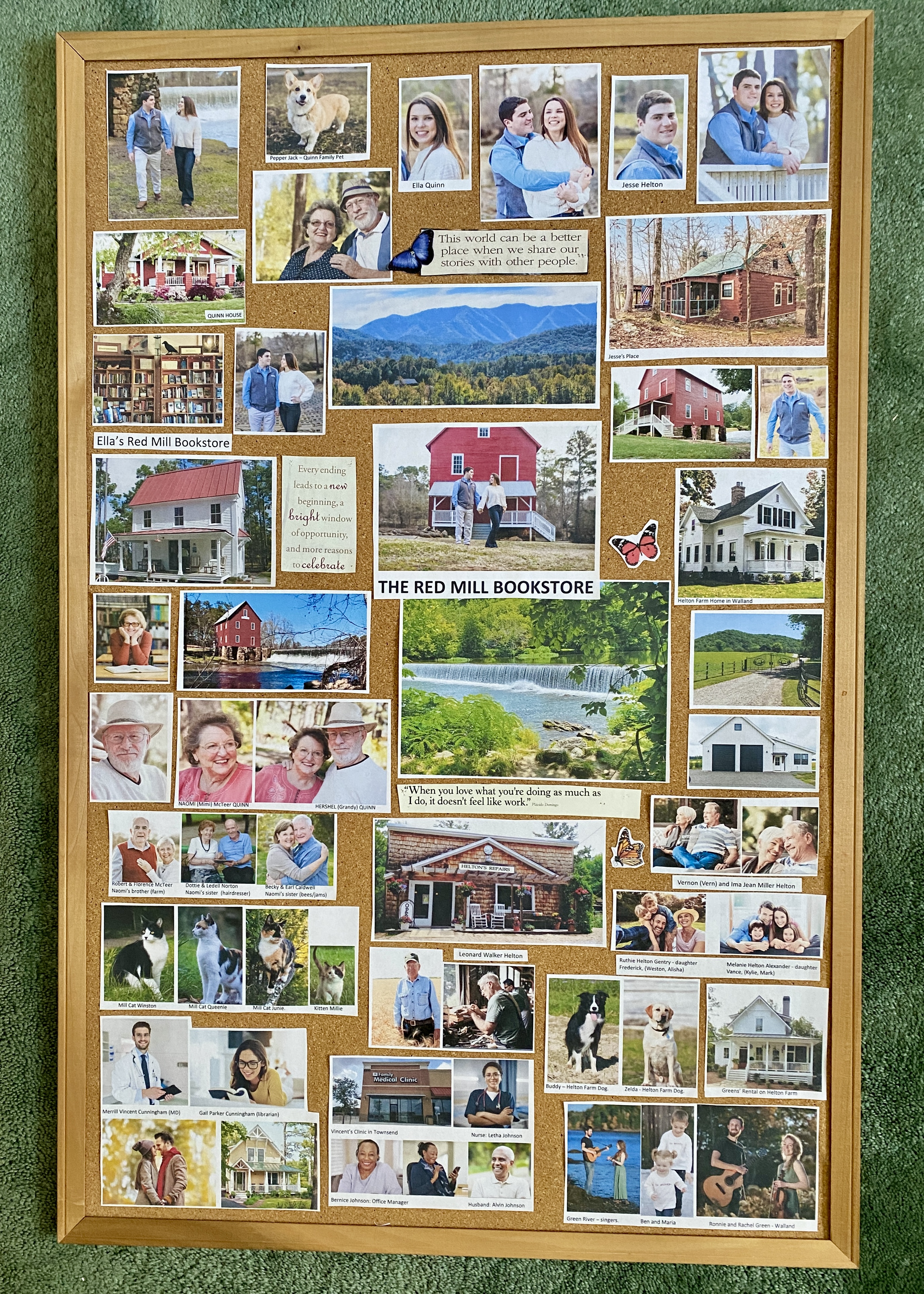 When all the research and planning was done and the book was outlined in plot and action, I created and put up my Collage Board, showing an array of pictures of the characters and places in my book. I love glancing up at all the pictures on my board, which I prop behind my computer, while I work. They make me feel I’m right among them all, can hear and see them. I especially liked Dr. Merrill Cunningham I created for this story and his wife, Gail, and the idea of the small-town doctor who still knows his patients well, and it was fun to create Ronnie and Rachel Green, and their bluegrass singing group Green River. Pets found a place in the story, too with Quinn’s corgi Pepper Jack, his name inspired from one of my fan’s daughter’s little dog, and with the Mill Cats.
 I hope you’ll enjoy all the characters and the story in THE RED MILL BOOKSTORE. The book is already available for pre-order and you can order it through your favorite local bookstore or online retailer. If you would like personally signed copies, you can order the book through our online bookstore after the publication date of April 1st … or even better, if you live near our East Tennessee or North Carolina area of the world, plan to come to one of our book signing events. You will find these listed on my Author’s Website on the Appearances page at:
  My new book THE LIGHT CONTINUES, the fourth book in the Lighthouse Sisters series, publishes on April 1st, 2025. It is already up for pre-order in print and before the end of February will be up in eBook also. You can read about this book and each book in this series on my website under “Books” at The Lighthouse Sisters Series. In this blog post I thought I’d tell you a little about how this four-book series came to be, and a little about each book, in case you haven’t started reading this new South Carolina coastal series yet. You have time now to read all three of the first titles before the new, final book THE LIGHT CONTINUES publishes in April.
 Winter is a marvelous time to think of the beach, when the weather in my home state of Tennessee grows cold, gray, dreary, and snowy. Some years ago, after a visit to our favorite beach at Edisto Island, South Carolina, I had the idea to create a trilogy of books set at Edisto. Since by that point I had written multitudes of books set around the Smoky Mountains near where I live and had built a big fan base of readers who loved them, it was a shift in my writing focus to consider writing a book set at the beach and to consider writing books in a series when my books previously had all been stand-alone novels, each book set in a different place around the mountains with different characters and with a new, unconnected story each time.
 After visiting a couple of lighthouses around the South Carolina coast while vacationing and later reading about the history of lighthouses, I began to wonder what it might have been like to grow up on a lighthouse island, which is called a Light Station. Many of the large, old light-keeper’s homes built by coastal lighthouses have now been made into bed and breakfasts, welcoming guests and giving tours of the nearby lighthouse. As that idea started to grow in my mind, I began to envision four sisters growing up on a lighthouse island, the old inn and lighthouse in their family for several generations. This idea for a second series of stories I decided to call The Lighthouse Sisters and I was soon building the new books in my imagination and mind.
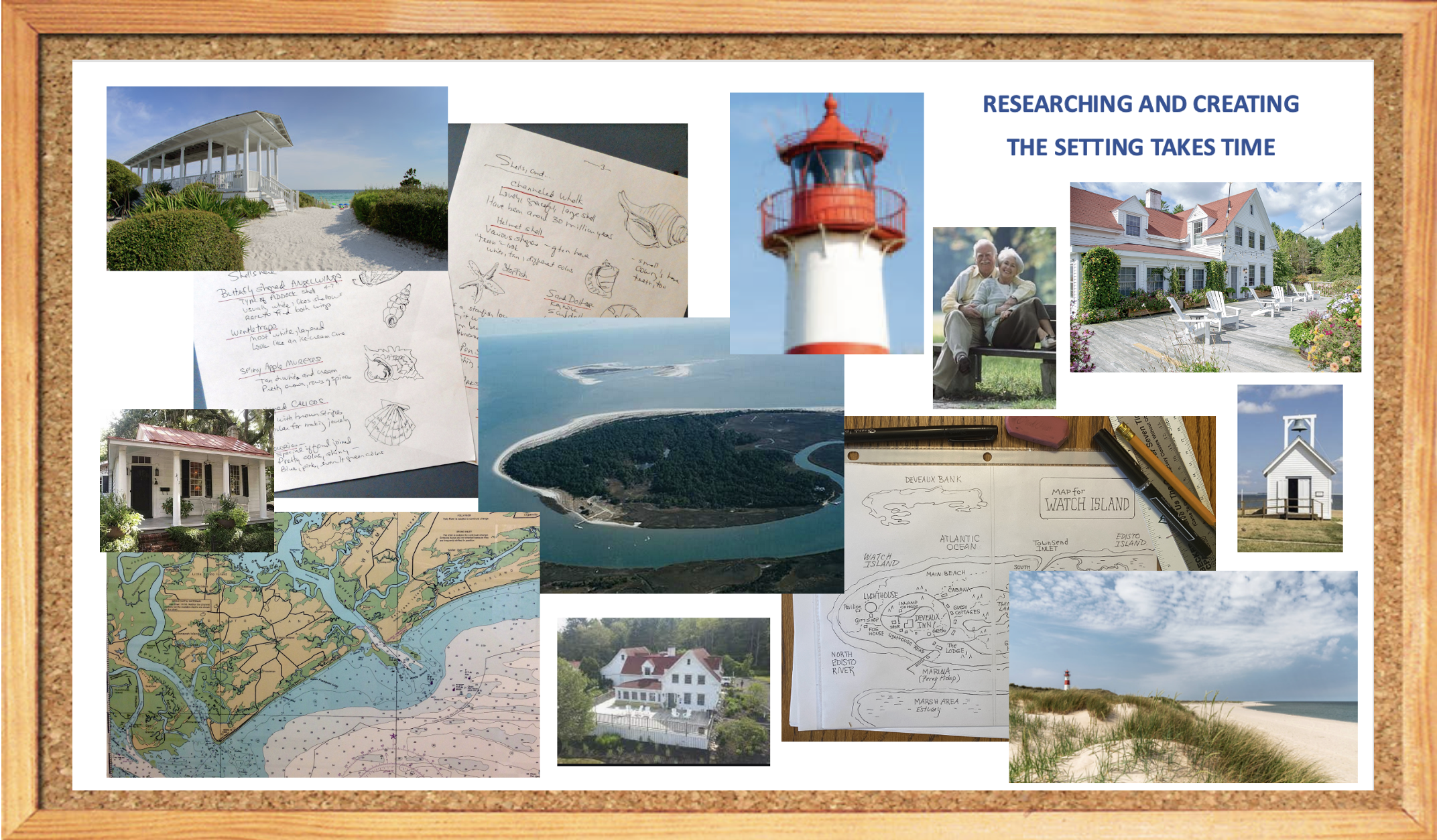 Now the research and planning began. To me series books are harder than stand-alone books because the story of each has to thread into the others and they all have to tie together in their plots and conflicts. The facts, people, places, and timelines must be consistent from one book to the next, and hints for books to come have to be subtly laid from book to book, leading to the final one in the series. I decided to set this series of books on the north end of Edisto Island. The Edisto Trilogy books had been set on the well-developed south end of the island at Edisto Beach, but the lighthouse books needed a more remote setting and the book needed an island separated from the mainland.
 I soon discovered that an island piece of the Botany Bay area, usually labeled on maps as Botany Bay Island, had broken away from Edisto’s mainland after a hurricane in the fifties and was now in a conservatorship and scantily populated. I tracked down people linked to the island and soon had my okay to set a book there and to use the island fictitiously for a novel. To avoid confusion for the book series, I renamed the island Watch Island, a name it had been called earlier in its history, and I named the Lighthouse after the Deveaux Bank, a bird sanctuary island a mile out in the sea beyond it. Soon the Deveaux Inn and the Deveaux Lighthouse on the hill above it and the Deveaux family who lived there, running the inn and tours, and taking care of the lighthouse and island began to become “real” people to me.
 Over time I developed my main characters and side characters, my setting, homes, businesses and the general plots for each book. As the characters and places came to life in my mind I found pictures to match how I saw my “book people” and “book places” and soon created a collage bulletin board to prop beside my computer desk… so I could see all the photos as I worked for inspiration. My primary characters were the four sisters and Ella Deveaux, their mother and owner of the Deveaux Inn and Light Station owner, who had lost her husband in the last year. As the story begins, the oldest daughter Burke is still living at home, helping her mother run their inn and business, and giving tours of the lighthouse as her father had done before. Her sister Lila had come home after their father’s death, and she was helping, too, especially in running the lighthouse gift shop. As the first book moves along, focusing on Burke’s life, who has, by necessity, taken on many of her father’s roles, you come to know the family, the island, and the coastal area around Edisto. As Easter nears in the story, another sister, Gwen, who had been living in Arkansas with her husband and children, shows up unexpectedly, her marriage in trouble. As the family continues not to hear from Celeste, the third sister, a well-known country singer, who lives in Nashville, Gwen and Burke head to Nashville, concerned. They find Celeste, only recently home from hospital, after being beaten and abused by her husband, so they load her up to bring her home for rest and recovery.
 Here you’ll see scenes from LIGHT THE WAY, the first book in The Lighthouse Sisters Series and scenes from around the island that are a part of this story. If you have not read this first novel in the series, here is a brief synopsis: … Life had grown hard for Burke Deveaux at the family inn and lighthouse since her father died. She missed his warmth and still expected to see him walking into a room, his big laugh booming. Burke and her mother were gradually adjusting to the change, and Lila had come home this winter to help, but the workload was heavy. With spring coming and tourism picking up in the South Carolina Lowcountry, Burke welcomed Hal Jenkins’ request for his son Waylon to work for them. Waylon, retiring early from the Navy, knew the island and the lighthouse, having grown up nearby. Burke also knew Waylon well since they’d grown up together. He’d always been older, and she wondered how he’d see her now. … Waylon had been away from Edisto Island for over twelve years now, traveling around the world in the military, but he was glad to be home again. He hated learning Lloyd Deveaux was gone, the warm-hearted Lighthouse Keeper he’d followed around as a boy. But he liked the idea of coming to stay at the lodge at Watch Island to help the Deveaux family with the inn, lighthouse, and nearly five-hundred acres of land the Lighthouse Station occupied. He knew Burke had picked up many of her father’s old tasks and he looked forward to seeing her again. He had long kept feelings he held for her clamped down but one look at Burke brought them all surging back, giving him a new problem to handle, knowing he’d be working closely with Burke at the lighthouse.
 I won’t tell more as my books are full of rich story, problems, joys, and conflicts that will make you feel you’re right there at the Deveaux Inn and Lighthouse with all the characters. Gwen’s story is told in the second book, LIGHTEN MY HEART, and you will really see Gwen’s pain over the betrayal in her life and suffer with her and the children as they try to find their way, leaving their home in Arkansas and all they know. Gwen is a teacher and as she makes the decision to stay in the area and to find a teaching job and make a new life, she decides, early in the story, to accept a job at a school in Port Royal, a charming, historic community right below Beaufort. She finds a townhouse to rent near her new school, and then, with shock, runs into her husband, Alex Trescott, in Beaufort. Apparently, with the Arkansas restaurant where he worked closing, he’d come home to work again in his family’s restaurant, Trescott’s, in downtown Beaufort. It’s a memorable scene! I think readers will enjoy visiting in Beaufort and Port Royal where many scenes in this book are set … and struggling through Gwen and Alex’s problems of separation. Old characters from the first book thread through this story plus many new side characters and conflicts, making it an engaging and fun read, with the children’s stories mixed in.
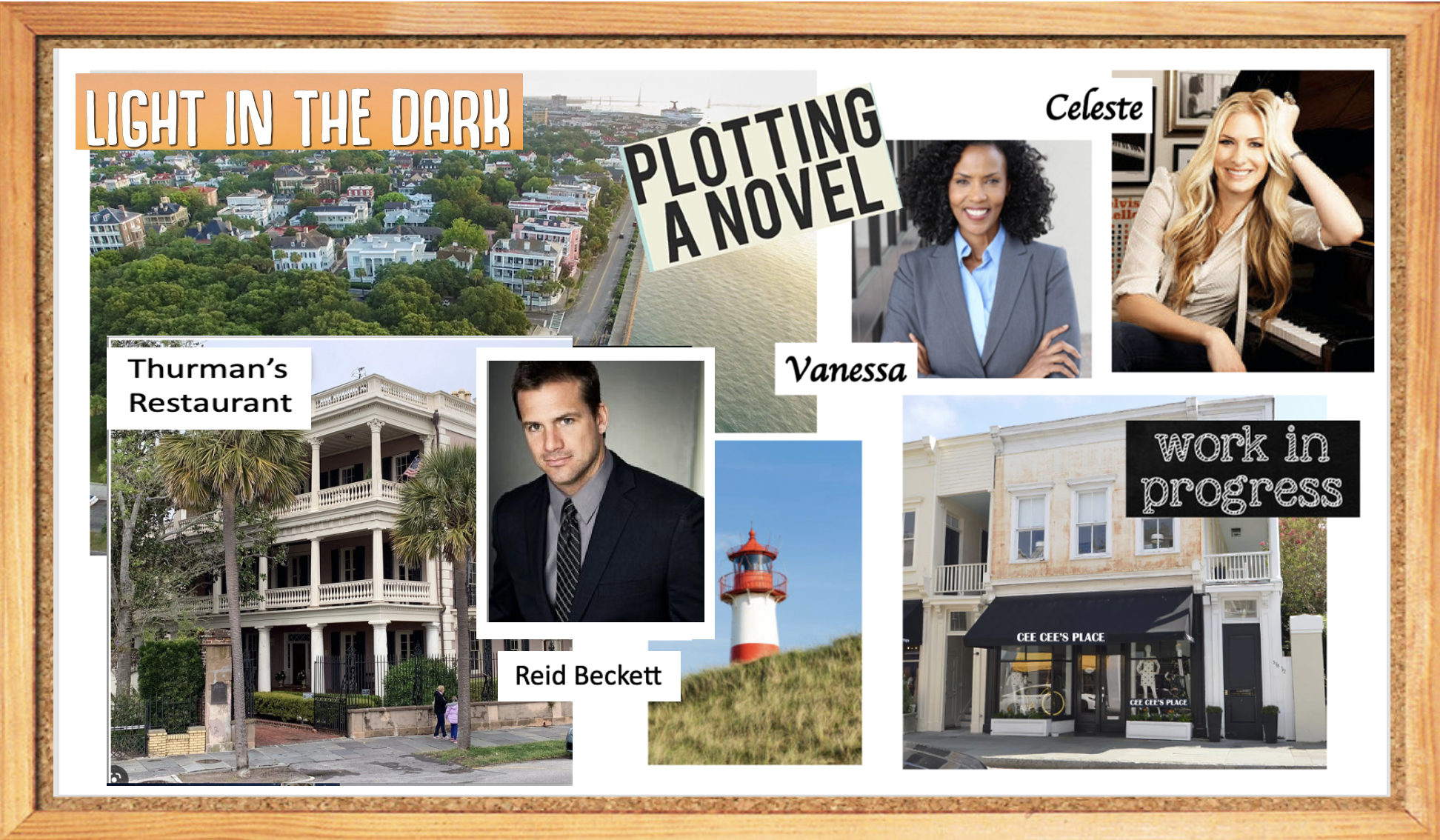 The third book is Celeste’s story, LIGHT IN THE DARK, the third of the Deveaux sisters and a well-known country music singer. Her first husband died unexpectedly and she unwisely got involved with another singer, who she soon learns is riddled with emotional problems, giving him a true Jekyll and Hyde personality. She has to find her way to recovery after being beaten and hospitalized and then decide how to handle the situations in her life and move on with her career. You’ll enjoy Celeste’s story, touching into the big entertainment world. You’ll also love all the scenes in downtown Charleston that are a part of this book and the many warm and interesting characters you’ll meet on Celeste’s journey, like Reid Beckett, who remembers Celeste from earlier years. I had a wonderful time as a writer visiting all over Charleston while working on this book… and I liked that Gwen’s and Celeste’s stories take my readers to new places they can visit when in the South Carolina Lowcountry area.
 The final book, THE LIGHT CONTINUES, that publishes April 1st, is Lila Deveaux’s story. It is set mostly on Watch Island, at the Light Station, but takes in a broader scope than just the lighthouse island alone, reaching out to give the reader a look at all of Edisto Island as a whole and of plantation life at one of the beautiful old antebellum homes I fictitiously created and named Indigo Plantation. The plantation now belongs to Edward Calhoun, who is forced to come home to try to deal with what he will do about being the new owner of the plantation after his father’s death. Readers soon learn the problems Edward faced at home earlier, and also watch him eager to renew his old friendship with Lila Deveaux. Lila, however, is reluctant to move forward in a relationship with Edward, seeing and knowing his problems and indecision, and dealing with the changes in her own life as well. She has only recently left a community of Episcopal sisters she’d entered after college, believing she wanted to spend her life serving God there. A solace for her has been her art, which she is developing and growing into a solid career, and her family and the inn. Wanting not to miss God again in her decisions, she is cautious about her relationship with Edward. How both find their way to a new life and understandings about past hurts and pains is a sweet part of this story. I think you will richly enjoy this last book about the Deveaux family and the beauty of the South Carolina Lowcountry.
 In the photo here, you’ll see me reading one of the Lighthouse Sisters books on my last visit to the island on the screened porch in the lovely vacation house where my husband J.L. and I stayed. J.L. and I have visited Edisto almost every year since the 1980s, enjoying the quiet island, the beautiful beach, Edisto’s bike trails, quaint shops, restaurants, and places of interest, all which will come to life for you while reading these books. Just as we often took side trips to spend the day exploring and enjoying nearby Beaufort, Port Royal, Hunting Island, and Charleston, so will you.
 I wish you happy reading and a lovely escape from the winter cold as you enjoy these books for the first time, or perhaps for a second time—and as you hopefully look forward to the final book in this Lighthouse Sister Series, THE LIGHT CONTINUES, soon to publish April 1st.
 Most of us have endured seasons and times in our lives when we were forced to “live on a shoestring,” an old expression that means to live prudently and economically—and usually more tightly than we want to. I’m sure you’ve gone through occasional unexpected and harsh seasons of life where you were driven to cut back drastically in your budget and spending and to live as frugally as possible. In today’s economic times, with rising costs and inflation challenging us at every turn, most of us are searching for ways to economize whether we want to or not.
 Obviously with any income cutback, you have to sit down and look realistically at your financial situation and figure out how you can cut expenses and sometimes, how you can make a little more money to offset the losses faced. Where to begin? I think you start by looking at the basics in your life and seeing which of those you can adapt. For most, the basics are housing, food, transportation, clothing, and critical bills like water, electricity, phone, and other monthly expenses that can’t be eliminated easily. We tend to think these basics are “set in stone” when there are ways we can reduce many of them. Often we can move to housing that is less expensive, we can sell a car with a big car payment for one with a smaller one. Too many times we wrongly think our homes or cars or other possession define us when they do not. Marcus Aurelius wrote: “It is not our possessions or external circumstances that define us, but rather our inner strength and moral integrity.” Frequently, if we will admit it, too,“We buy things we don’t need with money we don’t have to impress people we don’t even like” [Chuck Palahniuk]. That attitude change is a part of the adjustment we need to make in economizing, to change our views about possessions and their meaning in our lives. We are too often possessed by our possessions. But we can change.
 Studies show regularly buying too many clothes, shoes, bags and accessories is a widespread habit in America. People often don’t shop because they need anything but mostly for social and emotional reasons, and most people buy more than they can afford in clothing and other items. This is a quick area we can all change our spending habits in to economize. We can make do with clothing we have without buying more until totally necessary, and we can learn to thrift shop for needed clothing items, going to charity sales or thrift stores, and heading first to the half-price sales rack for clothing needs. Vivienne Westwood wrote: “Buy less, choose well, make it last.” When you need to buy clothing, buy good basics that don’t go readily out of fashion or out of style. Buy clothing items that easily mix-and-match which provide more versatility. Change out of your nicer clothes when you come home from work, school, or being out of the home and put on older clothes for around the house and yard. Keep in mind that children grow fast. Don’t spend excessively on their clothes or shoes, knowing they will soon outgrow them. You’ll often find great clothes, shoes, baby items, and children’s toys at garage and charity sales, too. Keep in mind that it is adults that are often “hung up” about brand names and clothing status, not little kids, unless you teach them those values. Teach them instead to “smart shop” finding quality clothing and brand names at thrift prices. Be especially watchful today of mindlessly shopping online and being lured to buy and charge unneeded items you’re tempted with.
 A recent 2024 study found that 42% of Americans report they are not able to live within their means with much of their financial concerns due to “overspending.” What causes this? The desire to keep up with the Joneses, letting expenses unintentionally creep up, shopping by impulse and for escapism, refusing to readjust budget spending for inflation, and slipping too easily into debt with the overuse of credit cards. The latter is especially scary and every individual should sit down and realistically find a way to avoid any credit card debt and to get out of any existing card debt. Our rule at home is to seldom use credit cards at all and if we do to pay them off as the bill arrives. We recently misplaced a small credit bill from a local department store and the interest tacked on for it being late added as much as the original item price to what we had to pay. Credit card interest rates have grown astronomically, making incurring card debt a budget threat to anyone. As Benjamin Franklin once said: “He that goes a borrowing goes a sorrowing.” Getting out of debt and avoiding debt are two of the best ways to see that your budget woes do not increase.
 After sitting down to realistically figure out ways to cut and save in basics … it’s time to look at all the little non-essentials that steal from our income. A Lending Tree 2023 study found that 77% of Americans say it’s essential for them to buy and have the latest technology products and gadgets, like phones, computers, smartwatches, televisions, gaming equipment, and tech accessories, and they won’t hesitate to go into debt to purchase these products, even when their current products are in good condition. This excessive purchasing habit trend affects all generational groups and income levels. Additionally, more than 28% of Americans surveyed said they’d prioritize these purchases over other needed financial obligations, even rent and bills. This area needs some moral and character analysis. As S.W. Straus said: “Thrift is not an affair of the pocket, but an affair of character.”
  Other nonessentials that Americans overspend on include exercise equipment and gym memberships, entertainments like movies, shows, and expensive concerts, sports events and season tickets for sporting events, yard, garden, and home furnishings, tools, and other items. Additionally, Americans spend an excessive amount of their budget on restaurants, bars, and eating out. One recent study found that the average American eats our five to six times a week either in restaurants, or via ordering takeout or delivery. A MinnPost survey found Americans overall spend about $70 billion eating out every month. The reasons people give for this spending trend is mainly that they don’t feel like cooking, that eating out is more convenient or more social. It is also more expensive to the budget and eating out frequently can lead to increased weight and higher medical expenses due to the large food portions, the additional calories, sugar, and unhealthy fats in restaurant portions. One study noted the potential expense of eating out versus cooking at home costs the average American $300 more in finances every month. A way to quickly save money and to benefit your health is to eat the majority of all meals at home. The average home meal costs $4.23 per person versus over $16 per meal out by the time drinks, tips, and taxes are added in. A Penn state research study found that people who dined out frequently tended to underestimate what they spend and to rationalize their reasons for eating out, causing this pricey habit to destroy their efforts to budget successfully. All too often these meals out get paid with credit cards, and in the third quarter of 2024, the average American household had about $8,871 in credit card debt.
 Healthcare sits in the middle between being an essential expense and a nonessential expense. According to a study in the American Medical Association, the annual cost of wasteful spending in healthcare has ranged from $760 billion to $935 billion in recent years. This waste could be services and processes that are either harmful to or don’t provide real benefits, with excess costs that could be replaced with services or products with cheaper alternatives. We get caught up in this excessive spending, following unwisely along, incurring too many elective doctor visits and elective surgeries, and readily accepting too many prescription drugs when life changes might be a better alternative. Additionally, four in ten adults have medical debts and pay huge monthly costs for drugs. According to multiple studies Americans are also considered to be highly overmedicated. Consumer Reports called it “America’s Love Affair with Prescription Medication” and Forbes reported that America leads the world in high rates of unnecessary elective surgeries. Spine and orthopedic surgeries and joint replacements lead the list with studies suggesting 50% of these surgeries unnecessary. This is a troubling trend. But we participate in these problems, cooperating eagerly to schedule surgeries and fill yet more prescriptions. As Andrew Weil wrote: “Modern American medicine treats almost every health condition as if it were an emergency.” Be watchful about overspending in the medical arena.
 Vacations and holidays are another area where people habitually overspend. According to a recent Deloitte study Americans are expected to spend about $1,638 on gifts, travel and entertainment this holiday season despite ongoing economic challenges, and most of this money will be in consumer debt to be paid off in the new year. For many that is over a week’s salary and the average American has not put away that money in savings in preparation. A LendingTree research report explained that an estimated one-third of American adults go into debt to pay for holiday expenses. Even sadder, a new survey from WalletHub found that 46% of American are still paying off the debt from last Christmas as this Christmas approaches and will probably soon add to that debt even more. An answer here is to bargain shop more carefully for Christmas gifts, to put away money for Christmas all year, or possibly to make gifts for many. Watch, too, lavish ticket costs to go to Christmas productions and instead attend the many fine Christmas shows and concerts free at local churches and area schools and facilities. The answer is not to quit giving but to find a way to plan holiday giving more wisely.
 We all individually, and as a family, need a break and a vacation from our hectic work and everyday lives. Vacations are healthy for individuals and families, but they can add another economic strain to a tightening budget. A recent 2024 study noted that about 90% of Americans plan a vacation each year and the average cost of the one-week vacation they will take will cost between an average of $1,991 to over $5,728 … with the cost rising for families. Many will stay in motels or hotels, all of which have gone up in price to closer to $100 per night or more. Food will cost more adding about $58 per day per person and entertainments possibly $55 per day more. Gasoline prices have increased, too, for drivers and campers as have airfares. What’s the answer to avoid going into heavy debt? Research to find places to stay in villas or cabins where you can cook most of your meals in. Many less popular spots and state parks have rentals that will reduce the average vacation stay expenses. If possible travel off season and plan activities that don’t further stretch the budget. Most every vacation arena has nearby free attractions, parks, historic sites, hiking trails, lakes and beaches that are free to enjoy. Even in lean years when the children were small, we found economical places for a family vacation, like at a beach or lake or in the mountains, where we could enjoy time away together to make some good memories without incurring debt.
 By our lifestyles for good or ill—by our own choices—we can create either blessings for our lives or more problems. In financial areas, we often create our own serious problems and can be our own worst enemies in creating a fiscally responsible life for ourselves and our families. Catherine Pulsifer wisely wrote: “Being frugal does not mean being cheap. It means being economical and avoiding waste” and Dave Ramsey, an expert on spending, would add, “Budget is telling your money where to go instead of wondering where it went.” We can all budget and live with more wisdom and prudence in our spending, without sacrificing a good and happy life. Calvin Coolidge wrote: “There is no dignity quite so impressive, and no one independence quite so important, as living within your means.”
 If you’re a person of faith, a good point to remember is that all your money really comes from and belongs to the Lord. He expects you to be a wise steward of what He has given you and allowed you to earn with your work and life. I believe, too, that a strong faith in God helps us in tempering our natural desires and realizing the things that are truly important. In truth, you either choose to take care of your life, your finances, and your body or you don’t. And even if you go through a dark financial time, God will help you through and out of it. The Bible is full of good counsel to help with finances and there are many fine books to help you learn to manage your financial life better. Study to find a wise and prudent way to live your life. We each have so much power to change our world simply by being wise and careful in what we buy.
 You may be “living on a shoestring” right now, living with very little money, with limited funds to the thinness of a shoelace, but you can work to improve your life and your resources. Never believe that life won’t and can’t turn around for the better. If you read of the lives of all great men and women, you’ll find most all went through some dark and grim times, many worse than any you have ever experienced. So never give up on a better tomorrow, keep hope and work hard to make your future better. “No matter what happens, or how bad it seems today, life does go on, and it will be better tomorrow” [Maya Angelou]. Do your part in turning your future into a better one. Sit down and think wisely and well of all the big and small changes you can make to improve your life and finances. “It’s hard to beat a person who never gives up” [Babe Ruth]. Yes, change is difficult and requires discipline but you can do it. You can make the changes you need to make to create a financially responsible life. A closing thought: “For things to change you need to change. For things to get better you need to get better. The good news is you can change, you can get better and you can start right where you are at and you can go as far as you want to go” [Jim Rohn].
 Many people today say we need a revival in America. What is Revival? Do we understand what it means, know anything about the history of revival and of the changes a revival might bring to our lives, the lives of America’s churches, and to our nation? I thought I’d look at this term “revival” for my blog this month, do some research, and give some understandings about what a revival is and what we might expect to see in a revival.
 A new survey found that although 74% of people in America believe in God, a much smaller majority, about 25%, are affiliated with a church or religious group. This is the highest level of non-religiosity in American history, alarming for America’s churches. Within the results of this study, percentages showed that for most surveyed their idea of faith lined up very little with the principles and tenets of the Word of God. As an old evangelist once said, “They’ve got something else figured out.” Why? Most studies point to Biblical illiteracy as the primary negative issue affecting believer’s faith. Without a solid grounding in God’s Word, believers become susceptible to spiritual error and indifference, to spiritual stagnation, and moral compromise. Scott Roberts wrote: “Most church goers don’t know who God is today, and the authority of God is relativized, marginalized, or selectively interpreted to suit personal preferences or cultural norms. This erosion of biblical authority undermines the foundation of the Christian faith…This diminished understanding of God’s sovereignty, holiness, and character has profound implications for the American church’s spirituality and mission…Ours is a world in desperate need of redemption and transformation.”
 Perhaps people have tried to turn things around. Perhaps the churches have tried. But America’s faith is falling into a sad estate. In a Revival, God intervenes. “Revival is an invasion from heaven that brings a conscious awareness of God” [Stephen F. Oxford]. “Revival is when God gets so sick and tired of being misrepresented that He shows up Himself” [Leonard Ravenhill]. “Revival is a divine disruption. It is a time when God intervenes in our affairs and interrupts our activities. It is a time when God makes our comfort-zone Christianity feel uncomfortable. [Tom Palmer]. “When is revival needed? When carelessness and unconcern keep the people asleep…A revival does two things. First, it returns the Church from their backsliding and second, it causes the conversion of men and women; and it always includes the conviction of sin on the part of the Church. What a spell the devil seems to cast over the Church today!” [Billy Sunday].
 Churches often hold revivals, and we often think of a revival in those terms, as a meeting when a minister or evangelist visits in order to draw church members to a stronger place in the Lord and to lead the lost to salvation. But a true national revival is far more than this. True revival is “a sovereign, sudden, selected, sensational operation of the Spirit of God, descending in the midst of prayer, which produces purity and reaches the perishing” [Ken Connelly]. Most of us today have never experienced a true and mighty revival or experienced the mighty works of God [Judges 2:10].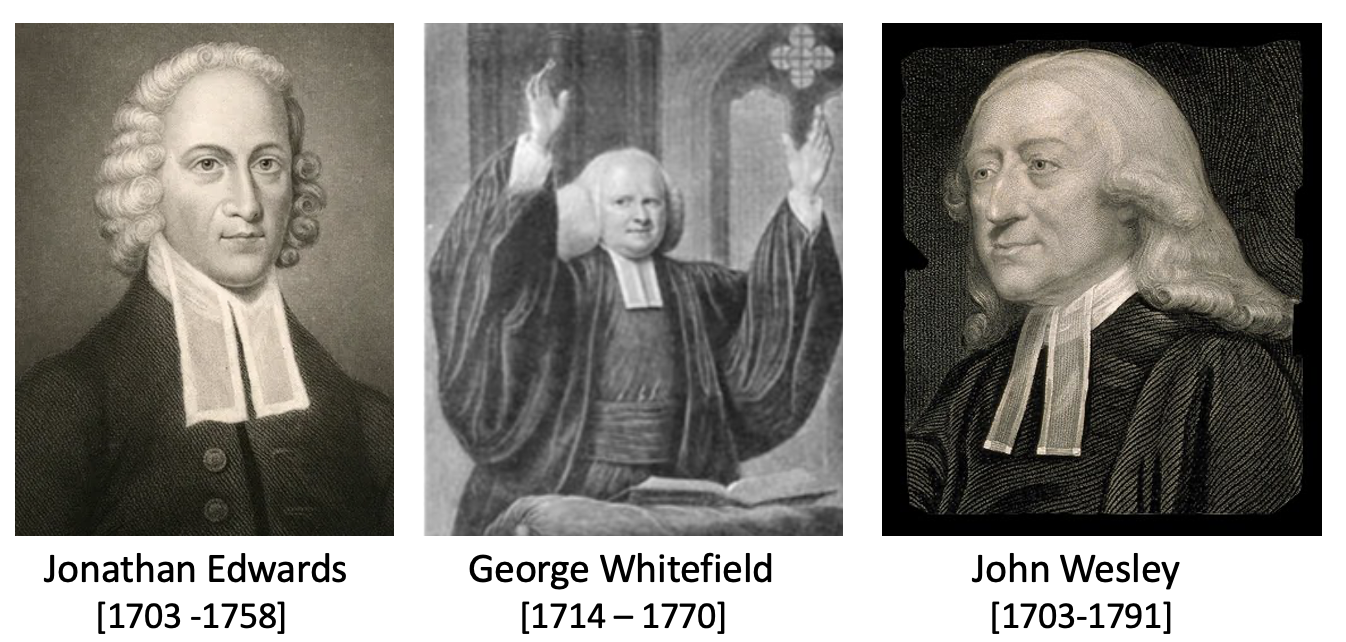

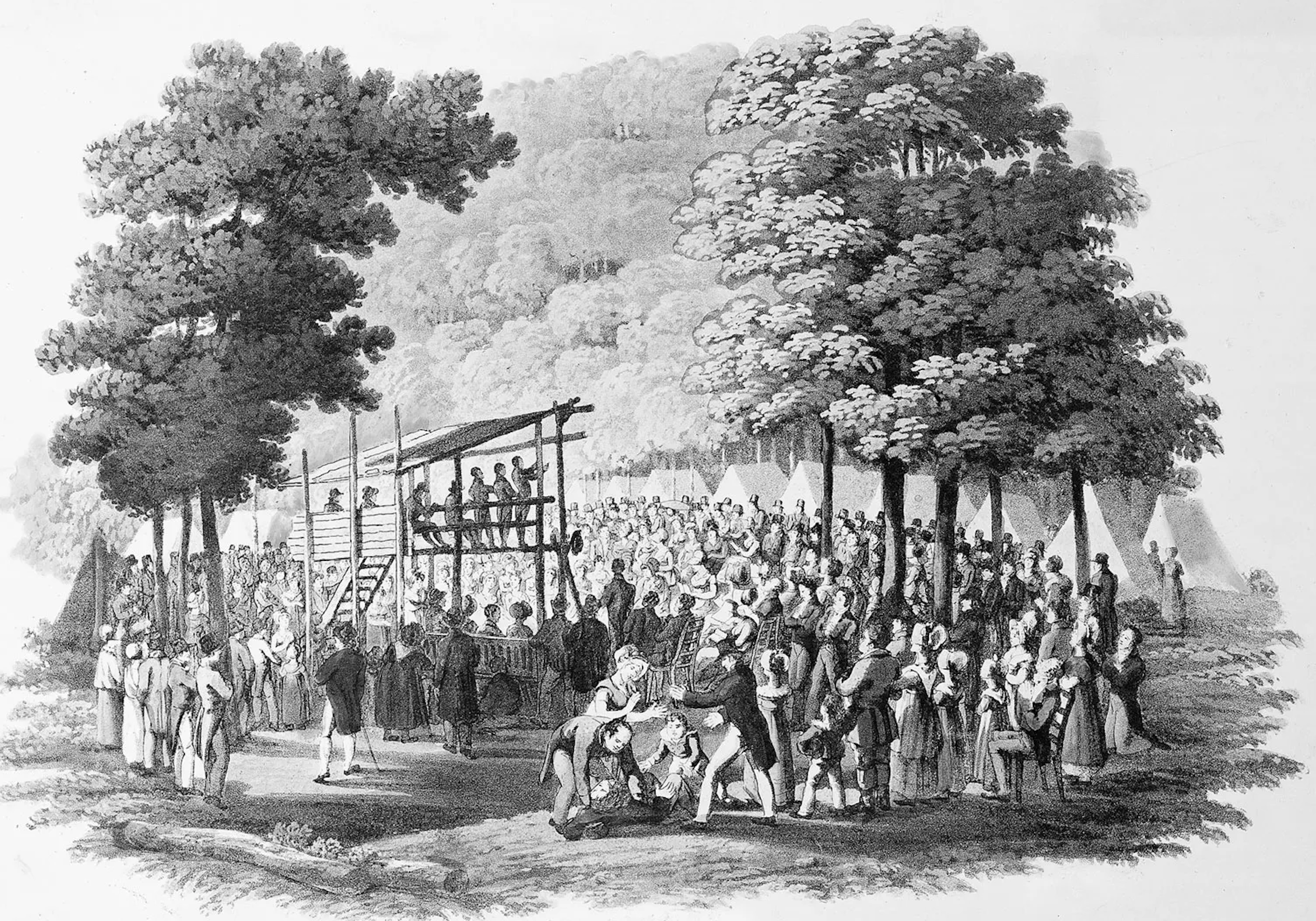 Charles Finney himself tells of going to one of these meetings, skeptical as a well-educated man and a believer, determined to stay strong and not yield to any of the “nervous excitability” he’d heard about and the fervent emotionalism. But as soon as he entered the meeting he was hit by the supernatural power that he purposed to resist. He even ran away from the spirit of God trying to impact him, but even on the route home was overcome by conviction and the emotions of his heart. He said God impacted him in such a way “people thought him deranged” and yet that converted Charles Finney went on to become a great evangelist and minister. He led revivals, led multitudes to the Lord and taught ministers. His direct, informal, and personal style offended many formal preachers of the day who felt he destroyed the dignity of the pulpit and might not appeal to the more educated in their congregations. They were soon proved wrong. Finney wrote: “Revival is a renewed conviction of sin and repentance, followed by an intense desire to live in obedience to God. It is giving up one’s will to God in deep humility…. and if the presence of God is in the church, the church will draw the world in. If the presence of God is not in the church, the world will draw the church out.” Many said Finney changed American religion. Every minister and evangelist in the Great Awakening seemed to have a different style of ministry, as led by the Lord, but each brought God to the nation.
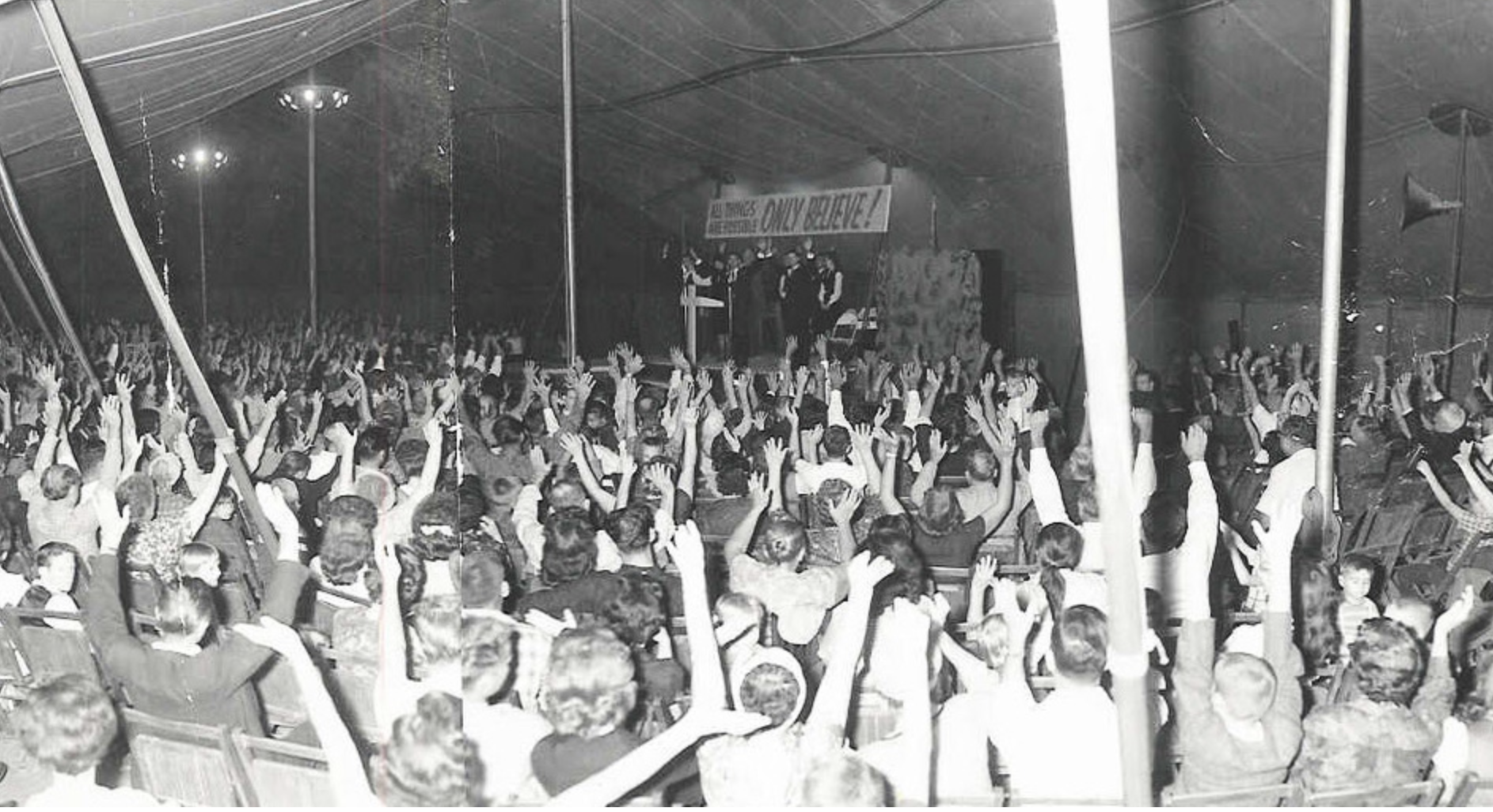 Billy Sunday was another impacted and changed by the revival meetings of the Second Great Awakening. He played baseball for the Chicago White Sox but at a big revival meeting in Chicago he got saved and left baseball to become a pastor and evangelist. God used him greatly to preach to over 100,000 people with a compelling simplicity and anointing that brought thousands to the Lord. Clergymen disliked his informal style and undoubtedly envied how God used him to bring change to so many. His sermons were filled with warmth, humor, and conviction. “The trouble with many men,” he preached, “is they have got just enough religion to make them miserable. If there is not joy in religion, you have got a leak in your religion.”…Billy Sunday often used baseball terms and actions on the stage: “The devil says I’m out, but the Lord says I’m safe.” He preached salvation in a direct way people could respond to and with the anointing on his words: “Conversion is a complete surrender to Jesus. It’s a willingness to do what He wants you to do.”
 People didn’t even want to go home and stayed on and on, not wanting to leave the anointing at these sites. A presbyterian pastor wrote: “No person seemed to wish to go home—hunger and sleep seemed to affect nobody—eternal things were the best concern… Sober professors, who had been communicants for many years, now lay prostrate on the ground crying out.” What incredible stories. How long has it been since you’ve been in a service so anointed that you didn’t want to leave, forgot to look at your watch?
 This was a time when people had given up on miracles, when many no longer believed in God or the power of God, and yet God showed men and women in this time who He was. If He did this again in another mighty revival, would you be a scoffer or a believer? Would you be open and eager to embrace all that God might do, or distance yourself from any revival meetings, fearful that your beliefs might be challenged? The Bible says ‘If we are faithless, He remains true and faithful to His Word, for He cannot deny himself.” [II Timothy 2:13]
 Revivals bring good, needed change. They blow new life into Christians individually and into the church. Henry Blackaby wrote: “Revival is a divinely initiated work in which God’s people pray, repent of their sins, and return to holy, Spirit-filled, obedient, loving relationship with God.”

