“What better way is there to know a people than to study the everyday things they made, used, mended, and cherished … and cared for with loving hands.” – John Rice Irwin
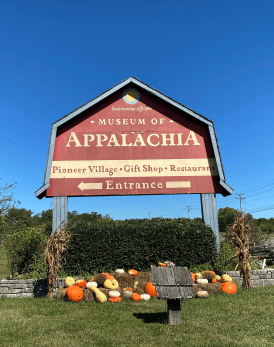 The Appalachian Museum in Clinton, Tennessee, about 16-20 miles north of Knoxville, is not just a single museum building but a 65-acre historic property containing an authentic Appalachian village, display buildings, a museum, and farm grounds. The wonderful collection of early 1900s Appalachian artifacts and pioneer buildings were collected by John Rice Irwin over much of his lifetime. We’ve always admired the legacy John created to let people walk through and enjoy a historic mountain village and farm and to come for events throughout the year to see how life was lived in earlier days.
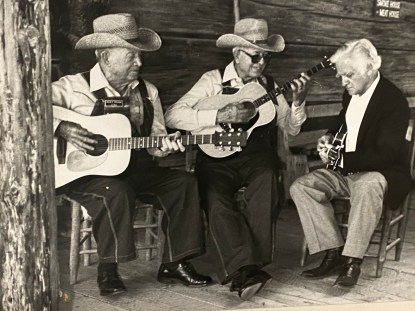
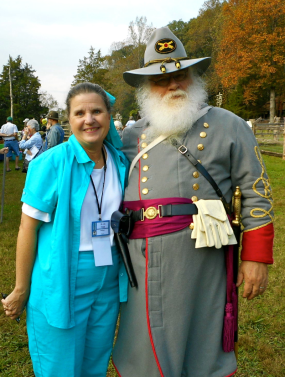 I met the founder of the Appalachian Museum, John Rice Irwin, many years ago when bringing our young children to the annual school days at the Museum’s Tennessee Fall Homecoming event. Later J.L. and I attended the Homecoming as regional authors—sitting under the big outdoor tent with author friends like Sam Venable and Bill Landry. We always enjoyed the old-time demonstrations, Bluegrass music, and mountain crafters. We also loved the costumed historic characters at the event—like General Robert E. Lee in the photo. Many of these wonderful traditions continue in the Museum’s Fall Heritage Days.
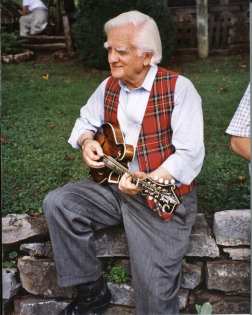 John Rice Irwin (1930-2022) was a historian, storyteller, musician, and educator, as well as the founder of the Appalachian Museum, He lived his early life on a farm taken by TVA to build Norris Dam, then near Oak Ridge until the government also took that land in the Manhattan Project, and finally, for most of his life, on the family farm in Norris. From an early age John held an interest in old things and old ways. His grandfather told him stories of past times and suggested he should collect and ‘keep the old-timey things that belonged to our people and start a museum someday.’
 After high school and time in the Army, John went to Lincoln Memorial University on the GI bill and later to the University of Tennessee for his masters. At LMU, he met and later married Elizabeth McDaniel, and they had two daughters, Karen and Elaine. John taught public school and college for a time before becoming the youngest superintendent of schools in Anderson County, a position he held for thirty-eight years. In his free time John remembered the words of his grandfather and began traveling the backroads of Southern Appalachia collecting “old-timey things” and the stories about them. In the early 1960s John bought his first historic cabin, the General Bunch House, and placed it on his farm property. Soon he was adding more structures, cabins, and barns and more and more artifacts.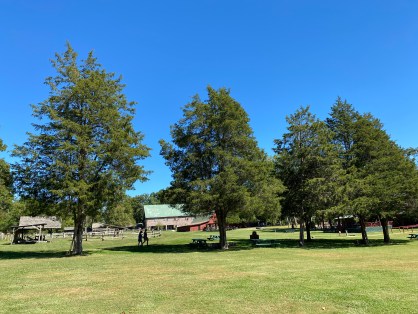
As the number of interested visitors grew, John created the Museum of Appalachia in 1969, setting hours and charging a small admission. The Museum and grounds continued to grow as people contacted John about donating or selling old structures and artifacts to the museum to preserve them for others to see. The Museum of Appalachia has now grown to include over 35 original mountain structures and three large buildings, containing hundreds of thousands of artifacts, on 65 acres. The property also includes old barns, gardens, farm animals, an old mill, a small chapel, a one-room schoolhouse, entertainment stage, and an event room – all spread around a scenic property.
 John Rich Irwin operated the Museum himself until 2003 when it became a 501 (c) 3 nonprofit organization and later a Smithsonian Affiliate. Besides amassing the collections of the Museum, John lectured and shared about historic subjects, wrote books on Appalachian history, and was the recipient of many prestigious awards. John, who passed away in January 2022 at 91, dedicated his life to preserving the rich heritage of Southern Appalachia’s people, and now his daughter Elaine Irwin Meyer and her husband Will Meyer, along with their family, continue to carry on his legacy. John called it ‘only natural that he should want to preserve the history and background he knew’ …’believing it important to safeguard the memorabilia of the people who represented a passing culture.’ So often we don’t realize how following a dream, with hard work and effort, can leave a legacy.
You can visit the Museum as we did and enjoy a morning or afternoon exploring the Museum’s grounds and buildings, shopping at the gift shop, and even eating lunch at the Museum’s café. You can also plan to come to the museum’s colorful events held throughout the year—Sheep Shearing Days in the spring, barn dances and antiques shows, and the annual Independence Day Anvil Shoot Celebration. 
Coming up is the Museum’s Heritage Day event Friday November 3 and Saturday November 4, 9:00 am – 3:00 pm with dozens of old-time activities and demonstrations and in December, the annual Candlelight Christmas Event with old-fashioned Christmas decorations, and demonstrations, a live nativity, and holiday fun – where you also might see Santa! Tickets to all events can be found on the Museum website at: https://www.museumofappalachia.org/events/
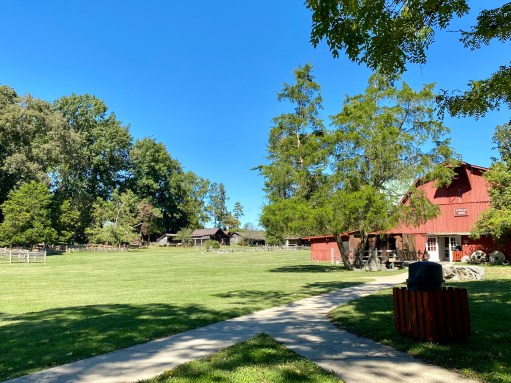
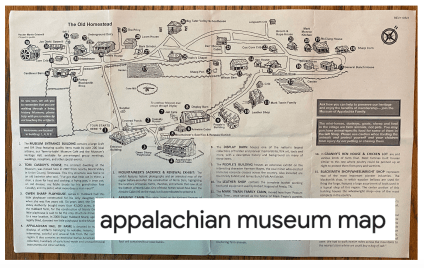 A visit to the Museum starts at the red Entrance Building, where you’ll also find the gift shop and café. Pick up a tour map here, which will give you a guide to all the numbered buildings and places you will see on your walk around the Museum’s grounds.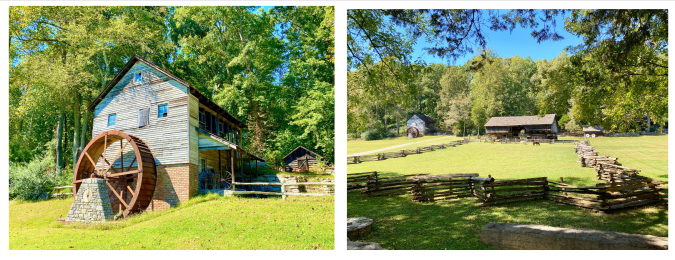
Heading out the Entrance Building’s door we started our tour walking from the east end of the Museum’s property at the Cantilever Barn and Hacker Martin Gristmill.
 Ponies were in the field at the barn, who trotted over to the fence to greet us, hoping we might be carrying an apple in our pockets.
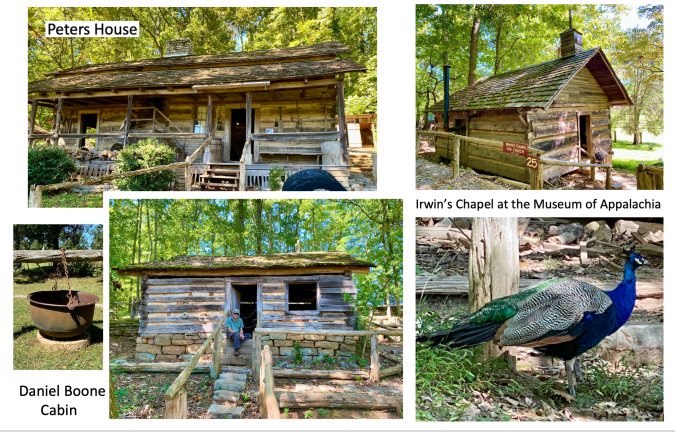 Beyond the barn, we wandered along the main path past the Smokehouse to the pretty Peters House. Nathaniel Peters lived here in 1840 and later his daughter raised nine children in this house, reminding us that big families often lived in small homes in early pioneer times. Walking past the garden led used us to the Irwin’s Chapel, where we’ve heard many old-time Shape Note Singers at events in the past. At this visit, it was the Museum’s peacocks who were having “church” wandering in and out of the chapel—a sight we laughed over. Not far from the chapel sits the small one-room schoolhouse, furnished as in the past when children learned and studied there together.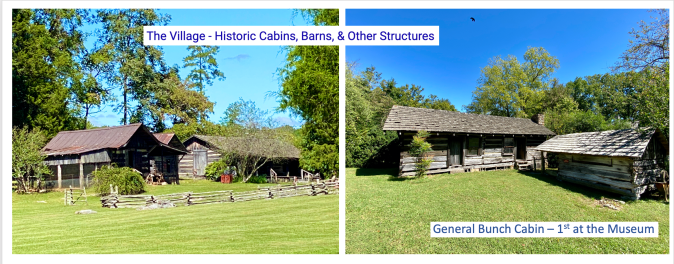
Our journey moved on past barns, an outhouse, corn crib, hen house, and around a loop past the old McClung House and on to the General Bunch House, the first cabin John Rice Irwin brought to the Museum property in the early 1960s. General Bunch, who visited the museum later in his life, remembered growing up in the two-room cabin with eleven brothers and sisters and having to walk twelve miles over the mountains, when a young boy, to the nearest store. Now a nice store and gas station sits less than a mile down the road from the Museum.
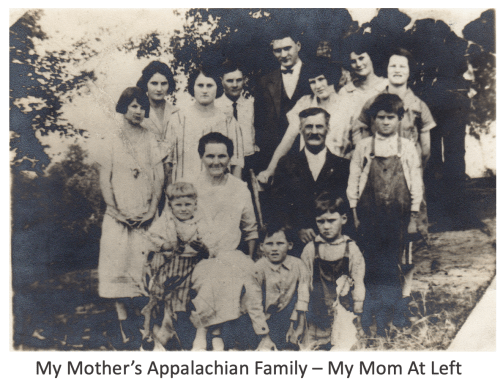 It’s hard to grasp sometimes how much times have changed since the early 1900s. My mother, born in 1913, told me stories about her young years in a large family of twelve when there were no phones, few to no cars, no central heat or air, limited electricity if any, and when families grew most all of their food and made their own clothes and household needs.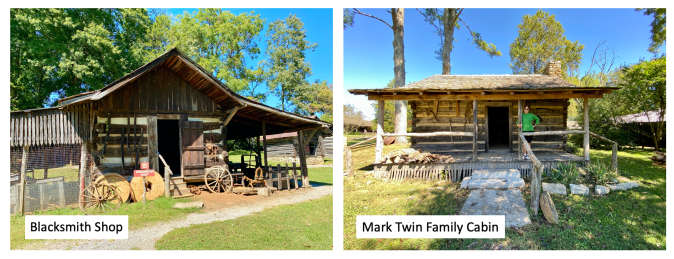
Starting back east on the Museum’s pathway, we passed another big garden, the Blacksmith Shop, a few more outbuildings and then came to the Mark Twain Family Cabin. This is one of two buildings on the Museum grounds now on the National Register of Historic Places. The cabin once belonged to Mark Twain’s father John Clemons, who actually built the cabin, and in 1835 Mark Twain, or Samuel Longhome Clemons (1835-1910), was conceived here before the family moved to Missouri in 1835. Although Twain was born in Missouri, the state of Tennessee can claim he was conceived in this cabin in Jamestown where his family lived for a long time. However, the Clemons’ family’s times in Tennessee were, overall, not happy or prosperous ones.
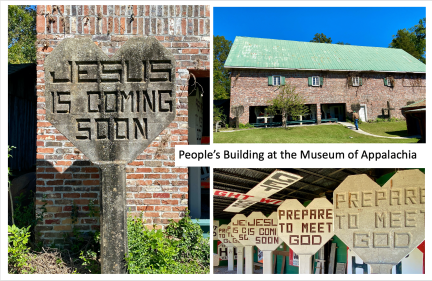 We next stopped to look in the door of the Leather Shop and then headed to the big People’s Barn to look at all the exhibits. In the front of the barn and inside are many of Harrison Mayes 2000 concrete crosses he erected all across the country and abroad on his travels. He was a coal-miner whose heart was simply to spread the gospel and he never asked for contributions when he traveled. His signs are reported to be in 46 states and 45 foreign countries. His jacket covered with crosses hangs in the exhibit barn with his photo and information about his life.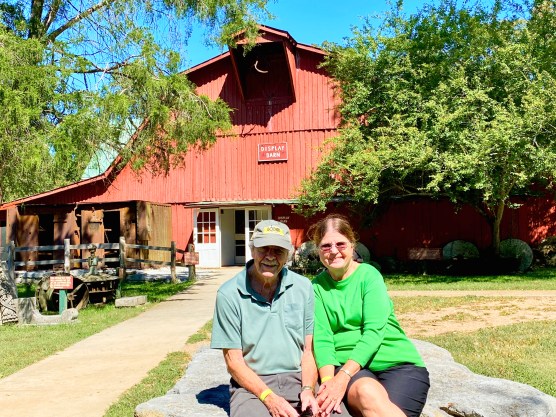
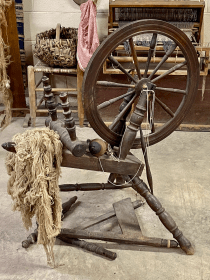
Next on our list was the big red Display Barn, crammed full of pioneer memorabilia, tools, folk art, old quilts, spinning wheels looms, and metal toys. I enjoyed the display of an elaborate country store’s interior, complete with old Coca Cola sign, and a replica of an old leather works shop with a mannequin working inside it. 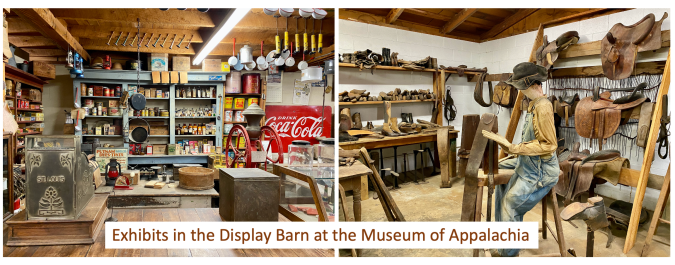 More interesting buildings followed—like old jail cells, the historic Arnwine cabin on the National Register, Cassidy’s tiny bachelor house – far different from the “Tiny Houses” being built around the U.S. today. We also enjoyed a small exhibit building commemorating the homes, churches, and farms covered by the floodwaters form the buildings of Norris Dam, plus a little playhouse saved from those waters that sits by the big Appalachian Hall of Fame.
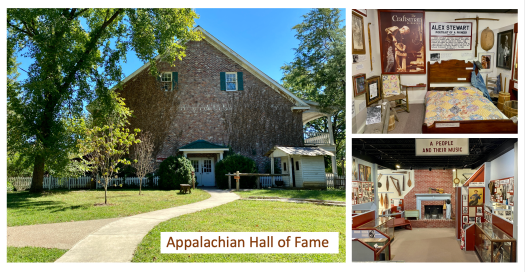 When John Rice Irwin won a MacArthur Foundation fellowship in 1989, he used the money to build the Hall of Fame. This big two-storied museum building houses a wealth of exhibits commemorating men and women of Appalachia—politicians, crafters, singers and musicians, early doctors, dentists, midwives and more –plus displays filled with artifacts in tribute to their lives and interesting commentaries telling about them.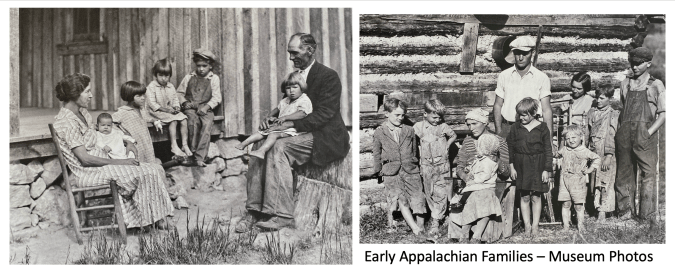
Our journey at an end, J.L. and I took a last look through the Gift Shop and then headed home, feeling like we’d taken a step back into a time in history, little known to us or almost forgotten. We both came away rich with new memories and a deeper respect for the Appalachian people who settled this area, persevering through good times and bad, to make East Tennessee what we know and love today. Lamar Alexander wrote: “John Rice Irwin and his family have taught us an important lesson: You don’t have to go outside your own backyard to find something interesting…We should be grateful that for 91 years we had someone very special in our own backyard.”
 To get to the Museum, take Exit 122 off Interstate-75 near Clinton and travel east on Andersonville Highway for one mile until you see the museum sign and entrance on the left.
For more information and directions from other nearby cities, go to the Museum of Appalachia website at: https://www.museumofappalachia.org/
Note: All photos my own, from royalty free sites, or used only as a part of my author repurposed storyboards shown only for educational and illustrative purposes, acc to the Fair Use Copyright law, Section 107 of the Copyright Act

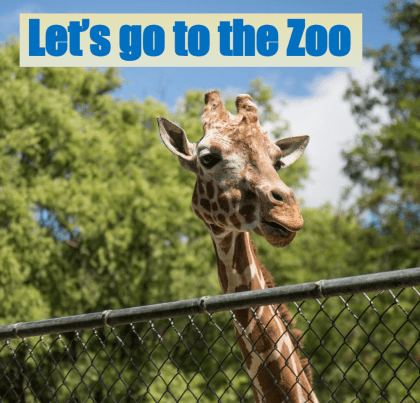 Early zoos, especially small ones, were not always kind to the animals that inhabited them, but in the early 1900s zoos began to be built with more natural habitats for the animals, and over time public education and protective laws helped all zoos to become more humane. Some species of animals might have become extinct without zoos. Also, specialists in many fields have learned a lot about animals through studying and working with them in zoo environments. Many of our early zoos in America were actually established to care for abandoned pets, to tend to orphaned wildlife, or to prevent animal species from going extinct.
 Today there are about 470 zoological facilities in America, licensed by the US Department of Agriculture. Most of us visit the zoo closest to our home, but we might also visit a zoo or aquarium in another town while on vacation. For example, when visiting our son and daughter in New Orleans, Louisiana, in past, we loved going to the city’s beautiful Audubon Zoo. Almost every large American city has a zoo. Some are huge like the Bronx Zoo in New York and others are small, like the zoo in Cincinnati, Ohio. Many zoos have unique attractions, like theme parks or aquariums within them, playgrounds, lakes with paddleboats, petting zoos, and myriad opportunities for hands-on learning. Omaha Nebraska’s Henry Doorly Zoo and Aquarium is often listed as one of the most fun zoos in America to visit, covering 170-acres with over 17,000 animals across 962 species.
 The majority of zoos charge admission, from $10 to $25, and even $50, for adults, less for seniors and children. A number of zoos are also free to the public like the Cape May Zoo in New Jersey, the Lincoln Park Zoo in Chicago, and the Smithsonian National Zoo in DC.
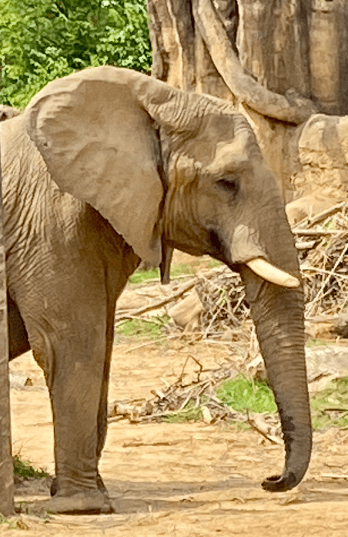 Every zoo has its own unique history. Here in Knoxville, In the early 1900s, a four-acre children’s park was established on a hillside at Chilhowee Park, one of the city’s earliest public parks. The little Birthday Park had a playground, wading pool and a shelter. There was talk of starting a zoo at that time, but nothing came of the idea. In 1946, the children’s park on the hillside closed but in 1948 an initiative to relaunch the park as a zoo began in earnest, and in 1951 the Knoxville Municipal Zoo opened. The park started small, with an alligator its major attraction. Later the Ringling circus donated an elephant named Old Diamond to the zoo, who kept tearing up his enclosures. Then Guy Smith, a television executive, and his wife Patty bought a lion cub for the zoo, Dr. Bill Patterson helped to found the Appalachian Zoological Society as a further help, and, finally, the beginnings of a much larger zoo kicked off in 1971. I still remember some of the “Save Old Diamond” campaigns that helped to bring in funding and support in that era. Later, as the zoo grew, Old Diamond was successfully mated to two younger female elephants, making the Knoxville Zoo the first to successfully breed an African elephant in captivity. I visited the zoo in its early years as a child and then later with my children, and with school and scout groups, as the zoo grew.
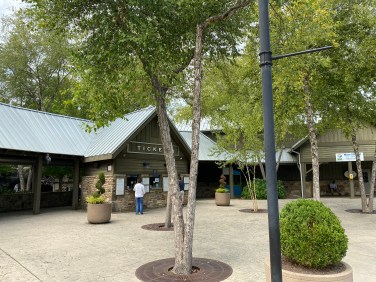 The Knoxville Zoo is spread out over a pleasant campus, with easy walkways, beautiful landscaping, rest benches, water fountains, small cafes and restaurants, and many family-friendly activities. During the year, the zoo also offers special events, like at Halloween and Christmas and hosts special “after hours” events.
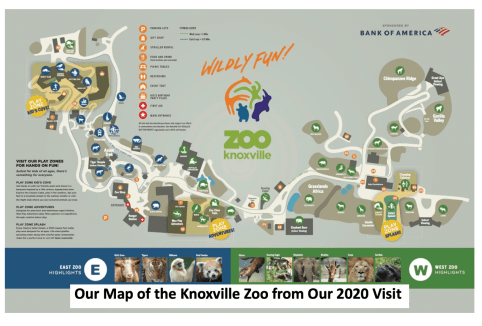 To walk every pathway from the zoo’s entrance plaza and back is about two miles… but I’d add to that mileage, as you’re often walking in and out of the same trails more than once to backtrack to an exhibit you missed. There is also a Nature Trail at the zoo, which can add extra time if you walk it. In general, a visit to the Knoxville Zoo, to see everything and not be rushed, takes about two to three hours – a pleasant morning or afternoon of fun.
 If you have children with you, add more time to the visit. There are several play areas the kids may want to spend extra time to enjoy. There is a Zoo-Choo Train they can ride and a Safari Splash area they can enjoy in the summer—where they’ll get a thorough soaking, so you might want to bring extra clothes for this! There is also a large Kids Cove area with a playground, slides, a “zoo animals carousel,” and a petting zoo.
 Following our “zoo map”, we started our adventure winding west from the entrance, to the Black Bear Falls exhibit. This multi-level exhibit covers three-fourths of an acre. Inside is a natural bear habitat that holds four to five bears with three pools, a bear cave, a grassy terrain, trees, climbing logs, and three viewing areas for the public. This is a pretty exhibit and the bears are very active and play – especially in the early mornings – with growls and bear-talk, a treat for zoo visitors to enjoy.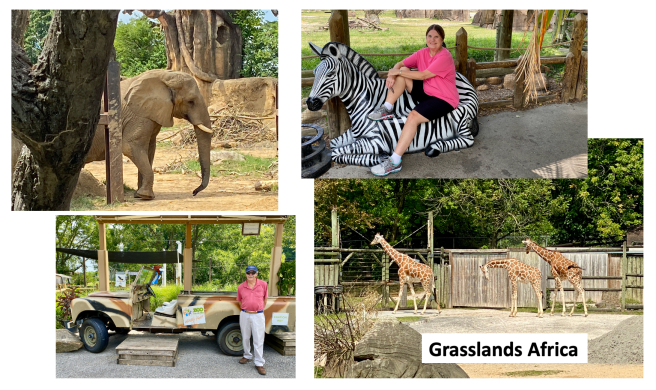
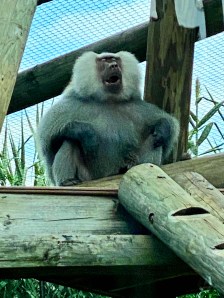 Following the zoo walkway continuing west brought us to see the Baboons and then the Lions. You can see from the lion photo below … that, like most cats, the lions had nap-time down to a T. Walking back, we cut by the Safari Smokehouse, one of the zoo’s cafes, with cute outdoor tables and fabulous landscaping, to walk up a hillside trail to see the red wolves and then to check out the African Painted dogs. On a pavilion on the walkway to the red wolves is a nice area with picnic tables for those who want to bring their own lunches to enjoy at the zoo – or to stop and rest.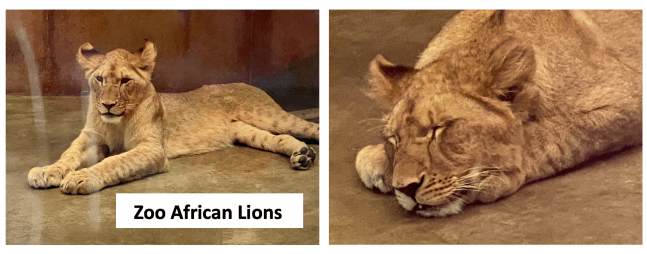
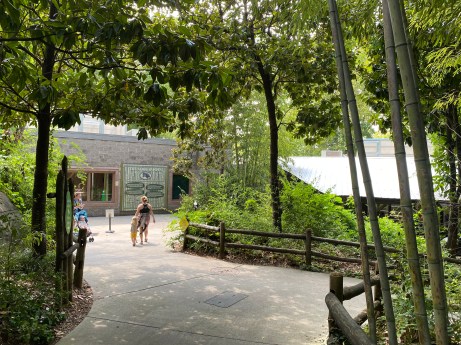
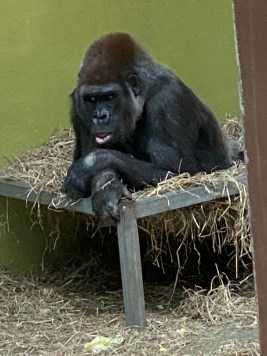 Nearby on Chimpanzee Ridge, the chimps have a wonderful play area with all sorts of toys and many trees to climb. All the chimps were napping at our visit … but I’ve always enjoyed watching them at other zoo visits. I admit I missed seeing the little brown monkeys I remember from visits at the zoo with my kids.
 The Knoxville Zoo does have one of the top reptile collections in the country and the zoo just opened its new Clayton Family Amphibian and Reptile area in 2021 … so if you like reptiles and amphibians be sure to check this new exhibit building out! We did stop, though, to watch the Otters swim and play before passing by the Red Panda area.
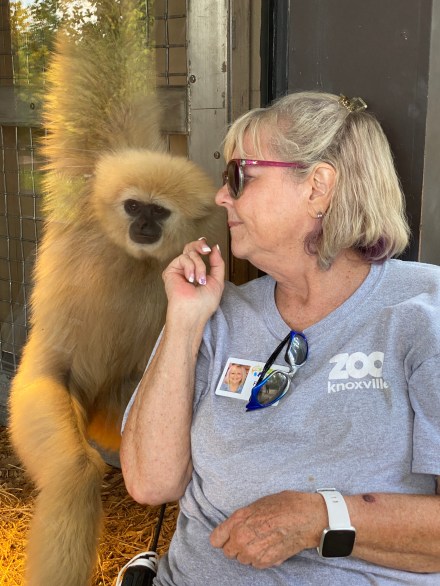 Next we went to see the Gibbons in the new Gibbons Trail Enclosure, and. we both really enjoyed that exhibit. One of the zoo workers was there, who told us all about the gibbons. Gibbons are gymnasts and entertaining to watch at play. They leaped and jumped through the tree branches and over the play equipment, seeming to love putting on a show for all the zoo visitors. Gibbons are one of only a few species of primates that mate for life and you might get to see Georgie and Malay grooming each other affectionately. Gibbons are very vocal, too.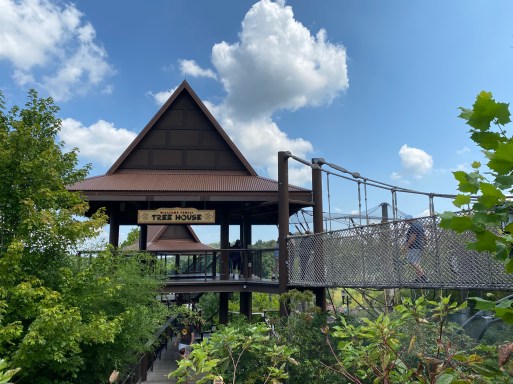
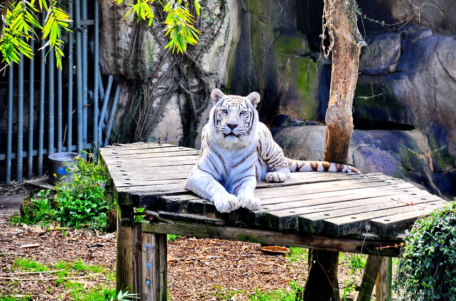
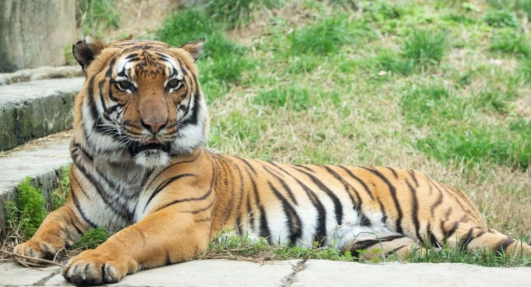 From the Kids’ Cove area, we headed back toward the entrance, stopping at the Tiger Temple in the 2-acre Asian Trek area. Malayan Tigers are critically endangered species, and the Knoxville zoo has two Malayan Tigers named Basdhir and Arya. There are also White-Naped Cranes playing in the ponds and forest area, and in the indoor pavilion colorful interactive exhibits teaching more about the tigers. When the tigers are feeling playful you may get to see them swim in the waterfall and ponds. The Knoxville Zoo once had a white tiger,too, Kaliyani, who died of old age in 2018. He looked much like the Audubon white tiger -whose picture I posted earlier – and I remember him well from earlier zoo visits.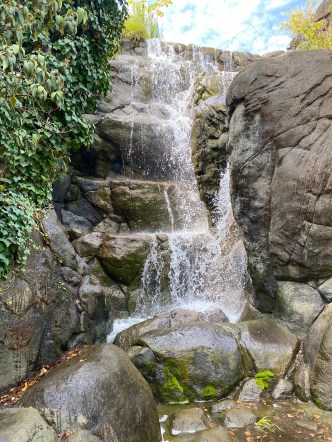
 One of the places I looked forward to visiting again, as J.L. and I began to work on our new North Carolina parks guidebook was the Outer Banks. J.L and I frequently visit the South Carolina coast for vacations but I had not been to the Outer Banks since visiting with my parents as a girl. We had gone to Virginia Beach for a summer vacation to see my Aunt Dorothy and Uncle Aubrey and they took us down the coast to drive along the Outer Banks one day, stopping to play on the beach for a time, and then driving into Manteo on Roanoke Island to see the outdoor drama “The Lost Colony” one evening. J.L. had never visited the Outer Banks at all so both of us looked forward to seeing the beauty we’d always seen in photos and movies.
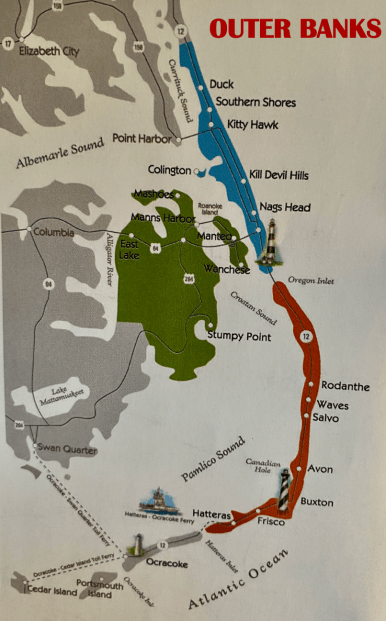 The Outer Banks is a string of barrier islands along the upper coast of North Carolina, stretching for over 120 miles from the Virginia border to Okracoke Island in the south. Unlike in the 1960s when I first visited, more than five million visitors now come to the Outer Banks every year. The island had certainly changed from those sleepy years long ago. I would have to say, with honesty, that the descriptions I read about the Outer Banks … that ‘one would find no main street tourist traps, no hotels blocking the view of the ocean, no boardwalks, and only pristine, quiet beaches’ to be a “slightly off” description, except in the areas protected by the state park and national park system and by organizations like the Audubon society. Please know, if you visit, that some areas have become highly commercial and crowded with beach homes, hotels, restaurants, and amusements with little conscientious effort made to preserve the natural ecology
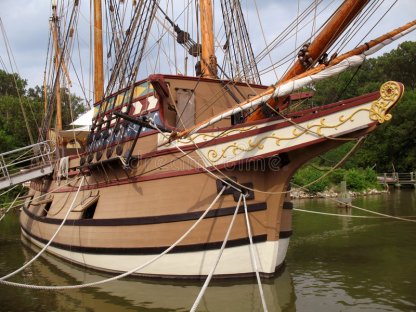
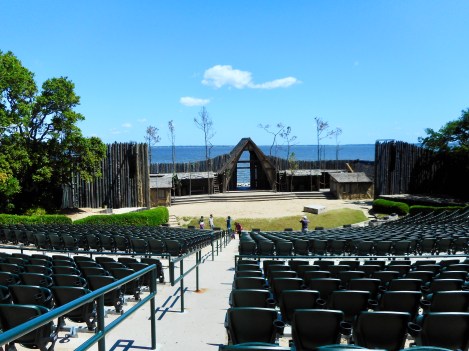 In its earliest days, the Outer Banks were home to Native Americans and many place names still give remembrance to them, like Kinnakeet, Manteo, Ocracoke, and Hatteras. The first English settlers came to Roanoke Island, in 1587, to establish a permanent English settlement. Sir Walter Raleigh helped to persuade the Queen to send the settlers and he helped finance the venture, which was led by John White, governor of the new colony. With a need for more supplies for the fledgling colony, John White returned to England, but problems prevented him from returning for three years. When he did return, he found the colony had simply disappeared with no trace. To this day no one knows what happened to these first settlers, called “The Lost Colony,” like the name of the long-running outdoor drama held on the grounds at Fort Raleigh.
 After the failure of the Lost Colony Europeans tended to avoid settling the island, but pirates loved them. Eventually settlers did move to the Outer Banks but they lived very isolated simple lives, mostly working as fishermen. These “Bankers” had only boat access over to the island, with no roads or bridges built yet. But gradually in the late 1800s and then more so in the early 1900s after the automobile gave Americans more mobility, people began to come to the area for recreation. The Outer Banks separation from the mainland always limited the island growth but Highway US 12 was paved in the 1920s -1930s, transforming the Outer Banks. Blessedly, the Federal Government designated large tracts of land in 1937 for the Cape Hatteras Seashore, followed by the creation of the Pea Island Wildlife Refuge.
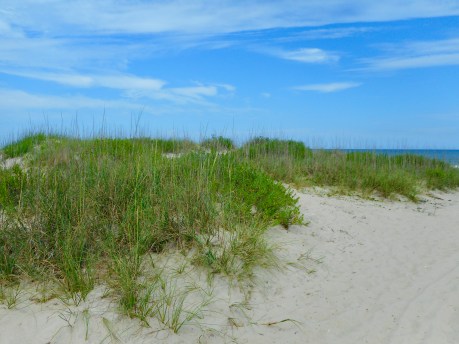 In the 1960s the building of the Herbert Bonner Bridge and other New Deal Highway provisions began to provide more links to the mainland. Today you can drive across to the Outer Banks from several points, and access to the islands has brought a mixed blessing to the area. The tourism industry began to flourish and grow, with development pushing rapidly into all areas of the Outer Banks not protected by the state or national government. The growth continues today, still basically unchecked. In a 1973 speech author David Stick said: “In our quest for growth and so-called progress, it is possible that we are gradually destroying the things which made us love the Outer Banks and attracted us here in the first place.”
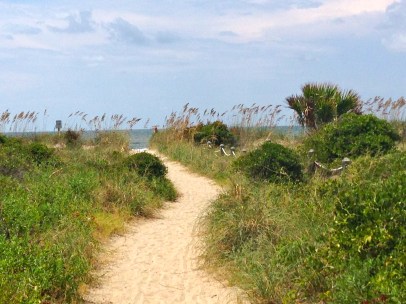 (1) The Northern Beaches – which includes the five oceanfront towns of Duck, Southern Shore, Kitty Hawk, Kill Devil Hills, and Nags Head;
 In Corolla is the first of four lighthouses, the Currituck Beach Lighthouse, a red brick lighthouse, 162 feet tall, that opened in 1875. Because so many shipwrecks occurred along the Banks, often called “The Graveyard of the Atlantic,” the Federal Government built all these lighthouses to try to warn ships of the danger of the long string of barrier islands and reefs jutting out into the Atlantic.
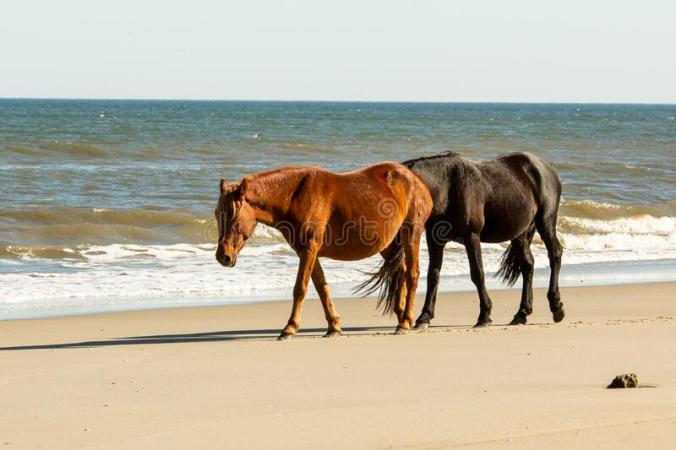 A special treat to see at Corolla are the Corolla wild horses, a wild herd originally brought in 1500s on Spanish ships and probably left behind from shipwrecks. Their lands are sadly being more and more invaded by tourism. You can learn more about the horses at the Wild Horse Museum in Corolla and perhaps take a tour to see the horses, too.
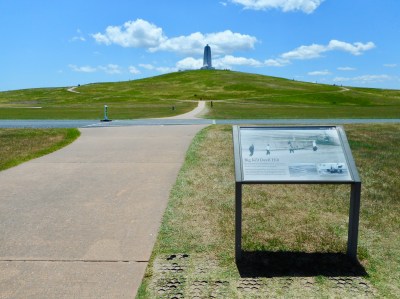 At Kitty Hawk, moving south, plan to visit the Wright Brothers National Memorial where the Wright Brothers built and flew their first plane. The visitor center there is exceptional and an interesting place to visit to learn about the brothers and early aviation. There is a fee per car and at our visit they would only accept credit cards.
 At Nags Head, don’t miss visiting Jockey Ridge State Park. It’s tucked in the middle of a hustling tourism area but the park is spacious and beautiful and we loved exploring the high dunes and trails and learning about the history of this interesting park.
 We greatly enjoyed our visit to Fort Raleigh National Historic Site. We learned there about the first English settlers to the New World, saw the earthen remains of Fort Raleigh, walked the trails, checked out the fine theater where the “Lost Colony” outdoor drama is held and visited the Elizabethan Gardens.
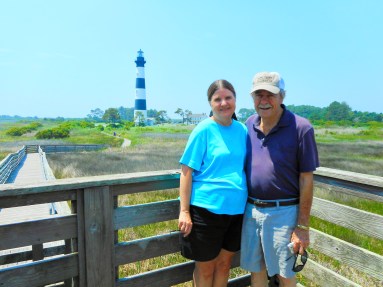
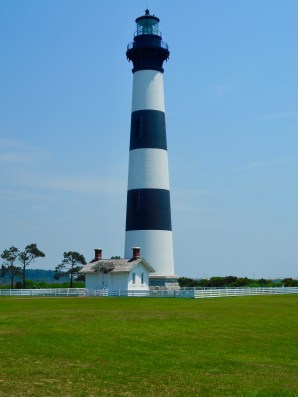 At the Southern Beaches you will find less commercialism and more natural beauty, starting with a visit to Bodie Island and the Bodie Island Lighthouse. A marvelous nature trail and boardwalk leads out to the black-and-white striped 156-foot lighthouse, opened in 1872. For a fee you can also climb the lighthouse if you wish.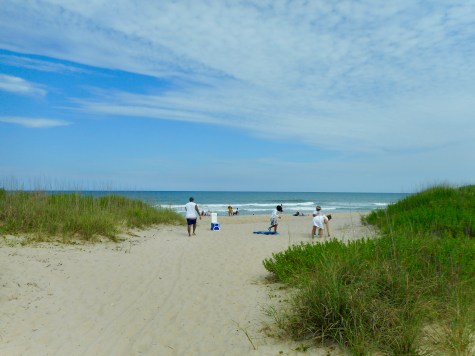
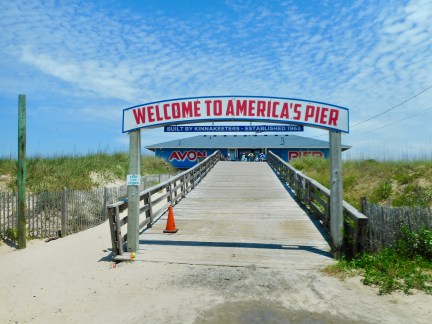 Further along, we found spots of interest to stop and explore. We moved through the towns of Rodanthe, Waves, and Salvo rather quickly, glad to get back into the National Seashore again. We did enjoy stopping in Avon to see the huge 665-foot Avon Fishing Pier. You can spend the day fishing there for a fee but for sightseers you can also walk out to enjoy the views for only two dollars..
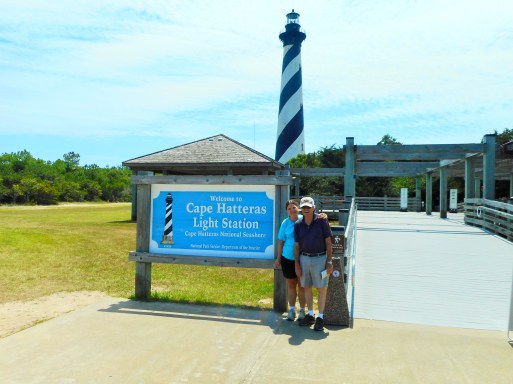 At Cape Hatteras, we went to see the third of the Outer Banks lighthouses, The 193-foot Cape Hatteras Lighthouse is a black-and-white “barber-shop” striped lighthouse. It’s important that all lighthouses look different in color, for recognition by day, and by night with different flash patterns to identify them to guide ships safely in the dark. Due to time limitations, we didn’t take the long ferry to Ocracoke to see the fourth Outer Banks Lighthouse … but if you have a lot of time, a visit to quiet Ocracoke is nice to add to your Outer Banks travel list.
 Even though the Outer Banks have grown more commercial—and I’m aware many people like that type of vacation spot best—it is still a beautiful place to visit. At the Welcome Center after crossing the bridge onto Roanoke Island, stop to pick up brochures and maps that will help you enjoy your visit more. We visited in June, one of the Outer Banks busier times, but if you visit in the “shoulder seasons” rather in the summer you will find the area somewhat quieter and less trafficked.
 “It is good and right that we should conserve these mountain heights of the old frontier for the benefit of the American people.” – F. D. Roosevelt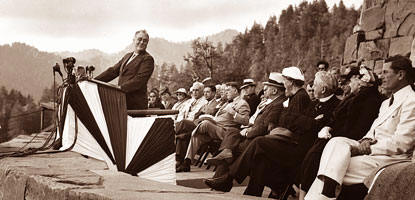
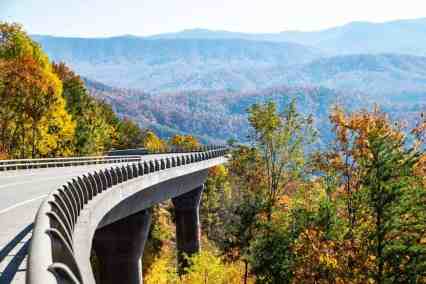 The drive to create a park grew in the 1920s, and most of the early supporters lived in Knoxville, Tennessee, and Asheville, North Carolina. Competitive at first, the two groups later joined ranks and began pulling together for the park to be located between the two cities. In May of 1926 a bill was signed into law by President Calvin Coolidge to provide for the establishment of the Great Smoky Mountains National Park. This bill allowed the Department of the Interior to assume responsibility for administration and protection of a park in the Smokies as soon as 150,000 acres of land had been purchased of the 520,000 acres of selected parkland.
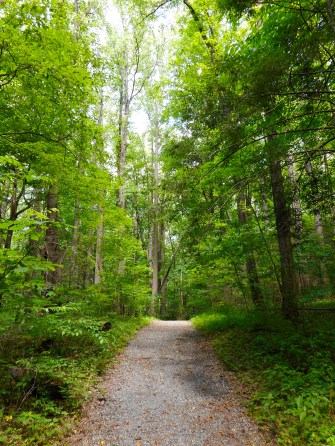 That’s when things got really interesting. Since the government was not allowed to buy land for national park use, the former political boosters had to become fund raisers. Money was appropriated by the TN and NC legislatures but the rest was raised by the people and through private donations. The next challenge was attaining the land. Unlike earlier parks created in the west on vast tracts of lands already owned by the government, these eastern lands in Tennessee and western North Carolina were privately owned. Eighty-five percent of the land was owned by logging companies and the other 15% by farmers, individuals, and businesses – none of whom felt eager to relinquish their property. However, the lands were finally purchased and in 1934 the deeds for all the parklands were transferred to the federal government, who formally established the Great Smoky Mountains as a national park on June 15, 1934. Much of the building of the park’s bridges, and structures were done by the CCCs in the 1930s and early 1940s. And in September, 1940, the park was formally dedicated at Newfound Gap by President Franklin Roosevelt.
 Even before the park became a reality, early settlers were helping to make the mountains known – literally by first coming here. Perhaps you, like myself, can trace your ancestry back to some of the first settlers to Tennessee or North Carolina and maybe back to some of the first settlers to the Smoky Mountain region.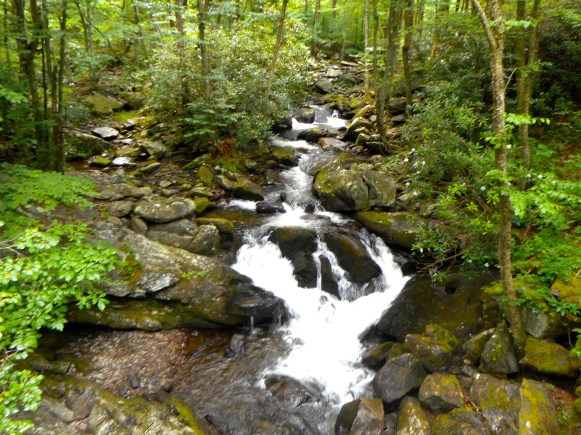
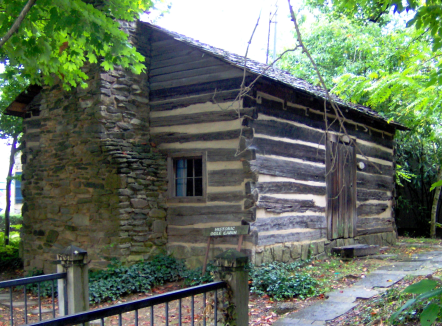 Martha Ogle is believed to be the first settler to the Gatlinburg/ Smokies area, then called White Oak Flats in the early 1800s. A recent widow, she came with her family to start a new life in what her late husband had described as a “land of paradise.” These early times in the 1800s were difficult in this rural area and it took hard work to survive and thrive. As families like Martha Ogle’s came into the wilderness and carved out homes and lives, others followed, including Reagans, Whaleys, Trentams, and Bales … and Radford Gatlin, for whom Gatlinburg was named.
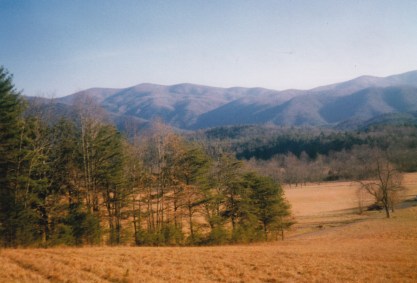 John Oliver and his wife Lucretia Frazier Oliver were the first permanent settlers in Cades Cove. John came from a respected family in upper east Tennessee near Elizabethton. Lucretia had been a bound girl, orphaned out to another family to raise before being courted by John. They married in April, 1812. But their early marriage was interrupted by the War of 1812. John marched off and served under the command of General Andrew Jackson in the Horseshoe Bend area of Alabama. After he returned, the couple lived for a time in Carter County, where John worked as a collier, struggling with hard times, before the opportunity came to migrate to Tennessee.
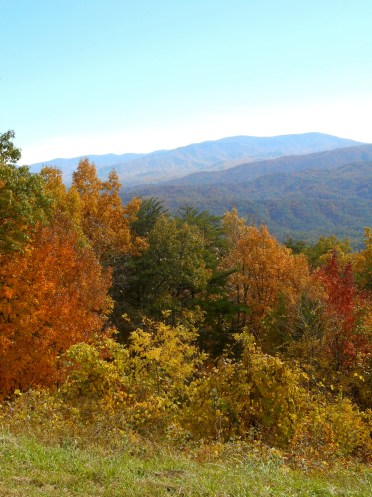 The Olivers, along with Joshua Jobe, who initially persuaded them to settle in the cove, traveled 125 miles from Carter County to Cades Cove, a journey that took 8 to 10 days then with no roads and only Indian trails to follow. Lucretia had a small baby when they left and she was pregnant with a second child. It must have been a very difficult trip. Like Martha Ogle’s family, the Olivers probably came in the 1800s with little more than the clothes on their backs, a rifle, a good ax, knives, utensils and dishes, a skillet and Dutch oven, blankets and other necessities. The cove was not cleared when they arrived, and bears, mountain lions, panthers and other kinds of wildlife permeated the forest.
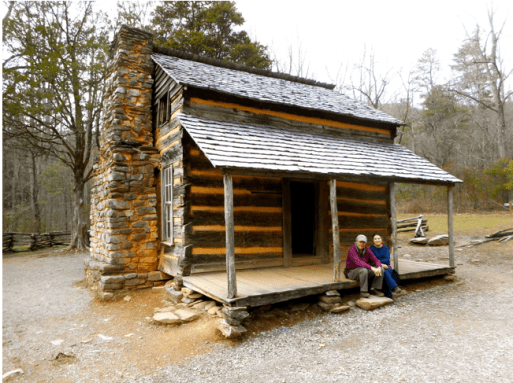 They wintered in an abandoned Cherokee hut until Jobe returned in the Spring with other settlers and a herd of cattle in tow. He gave the Olivers two milk cows to ease their complaints but it must have been a hard, scary first winter for them. With warmer weather, they built a crude first home, and later a larger cabin. They cleared land for crops and fruit trees, built barns, corncribs, and fences. They raised nine children in their small log cabin. The Oliver cabin you visit, when in Cades Cove today, was built by John Oliver as a “starter“ house for their son when he married. The original Oliver cabin actually lay about 50 yards away and no longer stands.
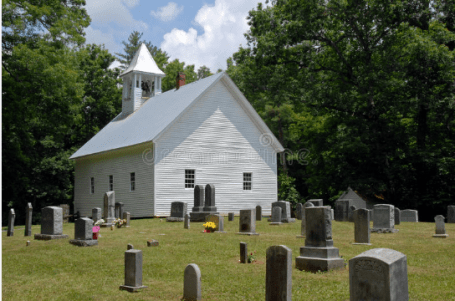 Cades Cove actually belonged to the Cherokee Nation prior to 1818, who hunted and fished in it, so in a sense the land had. barely opened for settlement when the Olivers came. However, a year after the Olivers arrived, the Cherokee released their claim to the land through the Calhoun Treaty, opening the door for more settlement. Other families soon followed in the 1820s … the Tiptons, Shields, Burchfields, Cables, Sparks, and Gregories. They gradually established churches, the first grist mill, and schools. Each family provided for their own and all joined in for common celebrations, gatherings, church and school events, funerals and weddings.
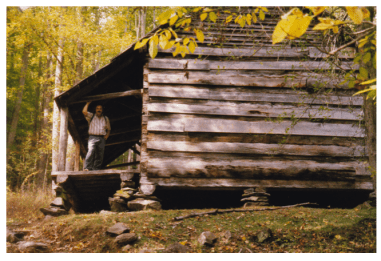 Most of the earliest settlers to the North Carolina areas, that are now part of the Great Smoky Mountains, came to the Oconoluftee area near Cherokee and to the Cataloochee Valley in Western North Carolina. First settlers to Oconoluftee were Jacob Mingus, who built Mingus Mill, Ralph Hughes, Abraham Enloe and others. In Cataloochee the Caldwells, Palmers, Cooks and Messers were early arrivals, and despite its remote location, the Cataloochee area grew and prospered more than other early mountain settlements.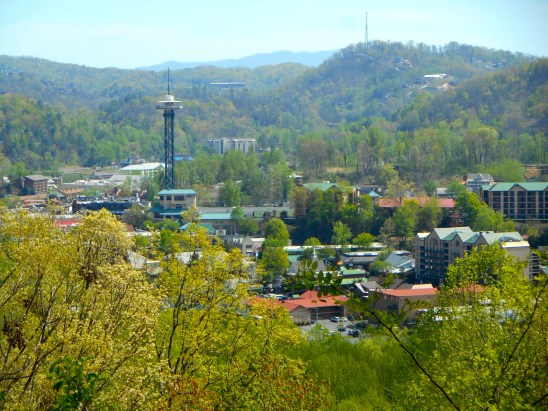
 I noted when looking ahead at upcoming June holidays that May 7th is NATIONAL SCRAPBOOKING DAY…. So I decided to research that subject and write about it for my blog this month. The holiday, initially created in 1994, is always celebrated on the first Saturday in May to “showcase scrapbooking.” The holiday was designed to introduce people to the craft and hobby of scrapbooking and even to define the art.
 Scrapbooking began in England before coming to the United States. The first scrapbooks emerged in the 1400s in personal diaries and booklets as a way to compile recipes, thoughts, poems, and quotations. The practice grew more with the invention of the printing press in the 1440s, and scholars soon used the scrapbooking idea as a way to preserve academic studies and later artwork and other written accounts on particular subjects. Ladies soon began to scrapbook, too, in order to save keepsakes, thoughts, and mementos. In the Victorian era, the practice of scrapbooking began to really grow with the invention of photography and the industrial printing press in the 1800s. Greeting cards, postcards, calling cards, family photos, and a variety of keepsakes began to be saved and preserved in scrapbooks, and the use of the word “scrapbook” evolved then, too.
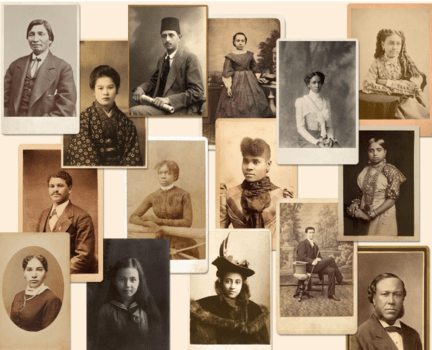 In the twentieth century, with the development of the camera, like the early Brownie, allowing individuals to make their own photos, scrapbooking albums became even more popular. Old photos and records, often kept in family Bibles, began to be recorded and kept in other keepsake books. Mark Twain, a writer and inventor, actually created and patented a self-pasting scrapbook in 1872 and a variety of different scrapbooks followed. Brides soon began creating wedding scrapbooks, and individuals and families began to create family photo albums, school memory books, and travel books. In the 1940s, baby scrapbooks began to emerge, providing a place to save baby and toddler photos and to record early “baby life” notes.
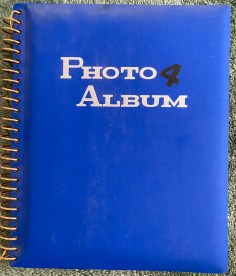 In the 1960s, the introduction of color film made scrapbooks more “colorful” and as the 1970s began, scrapbooks with pull-up plastic pages emerged, inexpensive and soon very popular. Photos and memorabilia could be placed on the page and the plastic sheet sealed over all. My mother never did much with scrapbooking, putting most photos into boxes and drawers, but I loved it and started scrapbooking when J.L. and I got engaged and planned to marry.
 When the children came I made baby albums for each of them. These were big books with places for birth certificates, a place to list visitors to the hospital and baby gifts, fill-in pages for the family tree, pages for footprints and hand prints, weight and height charts. They also included an assortment of fill ins for baby “firsts” and memorable moments, and places to paste in photos of baby’s first home and other specific pictures. There were slots for keepsakes, too, like early birthday cards, baptism records, and art, with the back of the book filled with 8×10 photo sleeves for more pictures. I, admittedly, had many sentimental moments today looking through those books to write this blog.
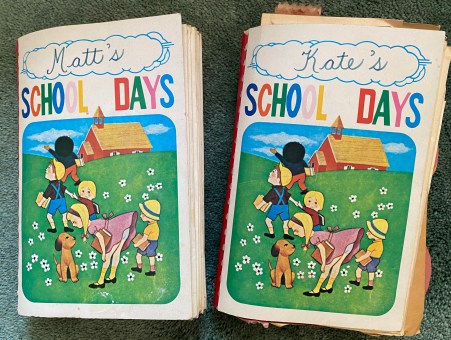 Later, when our two children’s school years began, I bought these cute and colorful “School Years” books to continue recording their young memories. There are pages for every school year from first grade to eleventh grade, where I put their school photos each year, along with their teachers’ names, height, weight, school friends, awards and achievements, and special activities. I noticed today in Max’s book that he said in first grade, that when he grew up, he wanted to be an artist … And he is, an artist and an art teacher. Kate said she wanted to be an actress in first grade, two years later an artist, later a writer, and for several years a fashion designer and buyer. Perhaps now as a media librarian she’s been able to act out several of those roles!
 A friend of mine said once I was “scrapbooking” before it became a popular craft and I probably was. By the 1990s, though, the “scrapbooking” craze sort of hit in America with scrapbooking stores, courses, scrapbooking magazines and even scrapbooking events, like quilting bees, where women met to work on their scrapbooks together. An extensive array of scrapbooking materials became available then, too, and still are available … but I just continued making my own books in my own way with clip-outs from magazines, quotes I liked, and saved memory items like tickets from a theatre event, a special greeting card, or a newspaper article clipping.
 For those who want to get into scrapbooking, there are many helpful websites you can check out full of ideas. One well-known one is scrapbook.com. Additionally, there are many YouTubes that show and teach visually “how to scrapbook,” chocked full of creative ideas. There is also a great “Everything About Scrapbooking” page online with a Step-by-Step Guide to making a scrapbook if you’re interested in a how-to article. However, you shouldn’t decide you’re not creative or gifted enough to scrapbook. You really don’t have to be. Keep in mind people have been finding ways to scrapbook and save their photos and stories since the 1400s, and you can, too. It is a wonderful gift you can give yourself to organize your photos into special books with names, dates, and places you can enjoy for years as “Memory Books” of your life. These scrapbook albums will be a legacy for your children, too.
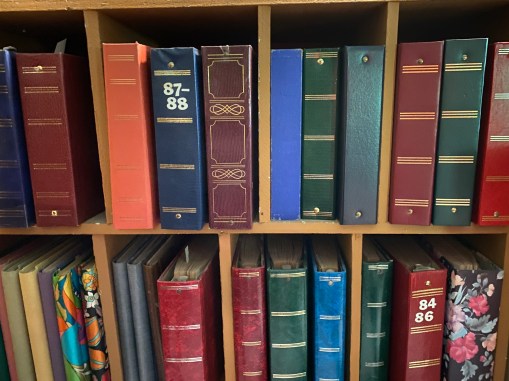
 J.L. and I have been “scrapbooking” now for over 50 years of our marriage and our books are all kept in a downstairs bookshelf that once held our record albums. You can see that shelf in an earlier picture. One of my summer tasks will be to sit down and put the last batch of photos I had printed into scrapbooks. Then I need to decide which photos in my “online photos” I want to print and keep, dumping the rest. I know most people retain photos totally online today … but I think they miss a lot of pleasure only keeping their memories that way. I still love having something tangible I can look at, layered with all my little notes and extras, like bookmarks, newspaper articles about my books, pictures at book signings, photos of our hikes, explorations in the parks and outdoors, memories with friends, holiday gatherings, and more. My scrapbooks truly are J.L.’s and my life story, filled with all our special memories and adventures.
 The three months of Spring are March, April and May. In spring the days grow warmer, longer, and the flowers bloom. Many animals that have hibernated come out and dormant plants begin to grow again. The grass greens and the leaves bud and burst out in soft yellow green and fresh rich color after the dormant winter. Animals have babies, birds hatch out of their eggs and baby birds learn to sing with their parents, all rejoicing in this glorious time of year. Spring is the season of refreshing, rebirth, and rejuvenation. A lovely quote says: “Spring adds new life and new beauty to all that is.”
 I know spring comes at different times in different parts of America and at various times around the world. But here in Tennessee, spring begins in March, with the days beginning to warm into the sixties and even seventies, along with occasional cold spurts. In March, East Tennessee still might have an occasional reminder of winter—a week of icy days or an unexpected snow. By April and May the cold spells begin to diminish and don’t last long. The old Timers gave these Appalachian cold spells specific names, mostly coinciding with trees, shrubs, and flowers in bloom at the time: (1) Redbud Winter in early April; (2) Dogwood Winter in late April, (3) Locust Winter in early May; (4) Blackberry Winter in mid-May; and (5) Britches Winter in late May.
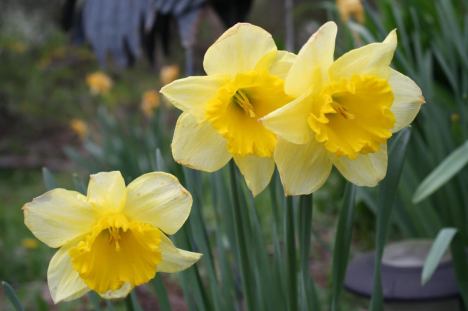 Daffodil shows and events celebrate spring coming to the area and the daffodils planted along much of the Pellissippi Parkway in Knoxville begin to bloom out. Maria de la Luz Compere spearheaded the planting of at least 1.7 million daffodil bulbs along the Pellissippi Parkway, leaving everyone a beautiful legacy to enjoy. Wordsworth wrote: “if one daffodil is worth a thousand pleasures, then one is too few.” This could well be the motto of many around Knoxville, where I live, because the yards, gardens, and roadsides are thick with daffodils of all colors and types as March comes to our area of the world.
  Daffodils are not the only flowers to bloom in March, even if the most prolific. Other early flowers begin to pop out in the yards and beds, like snowdrops, crocus, and then the blooming shrubs and trees—like yellow forsythia, white flowering pear trees, and the gorgeous magenta pink tulip trees with their cup-shaped blossoms.
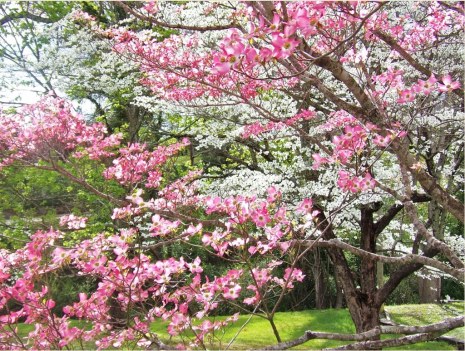 In April more flowers begin to appear … and in Knoxville this is the month when the Dogwood Arts Festival begins. This annual festival has been going on in Knoxville since the 1950s when several Knoxville communities, with a lot of dogwood and redbud trees, created “Dogwood Trails” to showcase their neighborhoods. Driving along the blazed trails, you could enjoy all the trees, daffodils, tulips, and other blooming flowers and shrubs. Over time, getting into the spirit of the event, people all over Knoxville began to plant even more dogwoods, redbuds, and blooming trees.
  In 1970, the Dogwood Arts Festival started, and the entire month of April is now spotted with art-related and cultural events. One of the original dogwood trails winds through my old South Knoxville neighborhood where I grew up and several others are located close to the West Knoxville neighborhood where I live now—especially the Sequoyah Hills trail that opened in 1955. One of my other favorite April flowering trees on this trail, in addition to the dogwoods, are the Kwanzan cherry trees with their pink, fluffy, double blooms.
 I think April is the richest time for flowers. So many varieties begin to pop out in this month. Every day when I take my walks around the neighborhood I see more shrubs, trees, and flowers in bloom and I love watching the trees grow greener and more lush every day. Tulips, creeping phlox, iris, candytuft, and even some early pansies begin showing off in April and, in the Smoky Mountains and rural woods and fields, the wildflowers begin to appear, bringing tourists flocking to our mountains with their cameras, eager to see the trillium, wild violets, bloodroot, lady’s slippers, and other beauties.
 The month of May brings even more spring flowers and more spring events. I remember May Day celebrations at school when I was a girl, with the May pole and various outdoor contests and events. To me the end of April and early May are always “Azalea Time, ” too, and the azaleas have been glorious this year. No freezes came in Knoxville to nip their early buds and I don’t think I have ever seen the azalea more beautiful—and in so many different colors … pinks, white, reds, salmon, lilac, and magenta.
  More outdoor yard work begins in May, too, as many people around East Tennessee start putting in their gardens and planting more flowers to enjoy, feeling safe, at last, from the chance of freezes and more cold snaps.
 L.M. Montgomery wrote: “Nothing seems impossible in spring.” And whenever we see flowers coming back after a harsh cold winter it breeds hope in us, too. If you’ll let it, spring will make your heart sing with new hope and vision. I love Robert Orben’s words: “Spring is God’s way of saying, One more time!” … Blessings to you.
