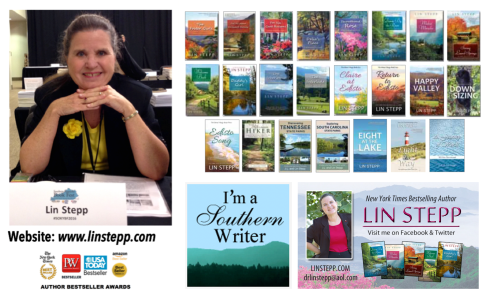
 Until 2019, all my books were set around the Great Smoky Mountains of Tennessee and North Carolina, near where I live. My first book, titled THE FOSTER GIRLS, published in 2009, quickly became well loved by readers, as did the subsequent books in the series. All twelve of these titles were stand-alone novels, each taking readers to different places in every book with a new story and new characters. While working on the final books in the Smoky Mountain series, and already planning a new continuing series my editor at Kensington named The Mountain Home Books, a new idea began to rumble around in my mind for books set at our favorite beach in the Lowcountry of South Carolina. I talked to my editor at Kensington at the time to see what she thought about it. Audrey said, “Lin, I think your readers will love traveling to the beach with you. Everyone loves your Smoky Mountain books and I’m sure they’ll love any books you write set at the beach, too.” So. after finishing my current mountain title … I started to work on a new Lowcountry trilogy of books set at Edisto Beach.
 The term “Lowcountry,” in general, refers to any low-lying geographical country or region. However, when South Carolinians talk of “The Lowcountry” they always mean a specific geographic region consisting of the twelve counties along the South Carolina coast. This region extends from Georgetown, just south of Myrtle Beach, through Charleston, Edisto, Beaufort, Hilton Head, to end at Daufuskie Island above Savannah at the Georgia border. The South Carolina Lowcountry implies not only a specific region but the term also embraces a unique cultural mindset, its people and places. The Lowcountry area is known for its distinct beauty, sandy beaches, recreational pursuits, seafood, historic places, and favorable climate.
 J.L. and I had always taken most of our vacations at different Lowcountry beaches but one summer in the 1980s – when our children, Max and Kate, were three and five—we discovered Edisto Island and Edisto Beach. It immediately snagged our hearts and drew us back summer after summer – and still does. Edisto Island is located on the coast, in the heart of the Lowcountry, half way between Charleston and Beaufort. Edisto is one of South Carolina’s Sea Islands, the larger part in Charleston County with its southern tip, Edisto Beach, in Colleton County. The roadway into Edisto from Highway 17, winds its way to the beach, traveling through remote rural areas and crossing long stretches of marsh land. Edisto Beach, at the road’s end, is an unobtrusive place, not very commercial in comparison to most of the well-known beaches along the Lowcountry coast. But we loved that aspect about it right away, and we returned year after year to enjoy the beach, the quiet island, the small shops and local restaurants, the bike trails, and the area’s beauty and laid-back charm.
 It was to Edisto that I wanted to take my readers—to a lesser-known place in the Lowcountry with a small-town feel. My first Edisto book CLAIRE AT EDISTO, brought Claire Avery to the island to recover after the unexpected loss of her husband Charles. Claire had been a stay-at-home mom with two small girls, Mary Helen, nine, and Suki, five. Living at the time in the church manse, next to the historic church where her husband had pastored, Claire was facing all the many transitions an unexpected loss encompasses—shock, grief, lifestyle changes, a multitude of decisions, and the need to find work and a new home for herself and her girls. The resulting book is the story of Claire’s journey and all the adjustments and problems she faces making a new life on her own. The house she comes to at Edisto, for a space of vacation and a time to grieve, belongs to her husband’s brother Parker. The beach house, named Oleanders, is familiar to Claire, as she, Charles, and the girls often visited at this house for vacations.
I loved bringing the beauty of Edisto Island to life in my story, taking readers to visit the vacation spot my family has loved for so many years. To my delight, readers loved the book, too, and, additionally, CLAIRE AT EDISTO won the Best Book of the Year Award in Fiction Romance in 2019 in American Book Fest’s contest with over 2000 publisher entrees. The next year the second Edisto book, Mary Helen’s story, RETURN TO EDISTO, published as did HAPPY VALLEY, in the new Mountain Home series… and in the following year the third book in the trilogy, Suki’s story, EDISTO SONG came out. I soon found my readers – old and new – eager for not only more mountain books but more beach books, as well. Perhaps at their urging, a new idea for a second beach series soon slipped into my mind and thoughts.

As a girl I had always been fascinated with lighthouses and I loved whenever my family vacationed near a coastal area where we could visit an old lighthouse. Taking the tours of the different lighthouses and grounds, reading about their histories, and seeing how many of the old keeper’s homes had been converted into bed-and-breakfasts, when the lighthouses were decommissioned, formed the base for my new book series idea. I soon began to envision what it might be like for four sisters to grow up on a lighthouse island.
Already familiar with the Lowcountry and Edisto, I learned there were rough plans at one time before the Civil War to build a lighthouse on the north end of Edisto, where pirates and shipwrecks were always a problem. Although over seven lighthouses were built from Georgetown, on the Lowcountry’s northern end, to Bloody Point Lighthouse on Daufuskie to the south, a lighthouse was never built at Edisto. Since for legal reasons, I couldn’t “take over” and use an existing lighthouse for my book story, I was able to create a fictitious lighthouse and an entire lighthouse station on the northern end of Edisto Island. Here, a section of Edisto Island had become separated from the mainland by a hurricane in the 1950s. The island formed, once called Watch Island, is a five-acre tract now totally surrounded by water and in a conservatorship. This legal arrangement will keep the island pristine with little future development….and it provided a perfect site for my lighthouse story setting. I named the inn and lighthouse I created on the island the Deveaux Inn and Lighthouse, after the nearby Deveaux Bank, a bird sanctuary close to the island.
After extensive research and planning, I finished creating the lighthouse island, with its large bed-and-breakfast inn, guest cottages, light station buildings, trails, beaches, marinas, and docks –all centered around a high red and white striped lighthouse. The storyline and plot were soon planned, too, with a host of rich characters, conflicts, and elements of suspense for the four-book series to come. There are now two novels published in this new series, LIGHT THE WAY and LIGHTEN MY HEART, with a third coming in April 2024 and the last publishing the following year. If you love lighthouses, you will enjoy these books and reading the stories of the four Deveaux sisters, so different from each other but yet with strong sister ties.
The first book introduces the island, the inn, the lighthouse, the family, and the full “cast” of characters in the story who live on and around Watch Island. I had a wonderful time creating the lighthouse’s history, its museum rooms and gift shops, and designing the lovely bed-and-breakfast where the family lives and works, sharing the beauty of their island with visitors who come to stay with them. The first novel LIGHT THE WAY is Burke’s story, the oldest daughter, who has stayed to work with her parents at the lighthouse. The story also brings the other sisters home before the book ends, too, so you meet and come to know them, as well. Life is never without its ongoing issues, good and bad, and you’ll soon see the problems each sister wrestles with, while you learn more about the island, the lighthouse, and the joys of coastal living.
 In developing the Lighthouse Sisters books, I enjoyed branching out to visit and spend time in nearby cities close to Edisto. In LIGHTEN MY HEART, Gwen’s story, a large part of the book’s setting is in Beaufort and Port Royal. Beaufort is one of our favorite Lowcountry spots to visit, kind of like a small “Charleston,” and I especially enjoyed creating Trescotts Restaurant in downtown Beaufort. Since Gwen gets a Lowcountry teaching position she’s been hoping for in the nearby community of Port Royal, many of the book scenes are centered there, as well. J.L. and I were charmed with our visits to historic Port Royal, founded in 1562, which we’d missed exploring much before. If you’ve missed going to Port Royal, too, take a day to see all its sites when you are in the area. It has wonderful walking trails, historic buildings, charming shops, great local restaurants, a Cypress Wetlands, streets lined with colorful homes, and a scenic beach with boardwalks and an observation tower at The Sands.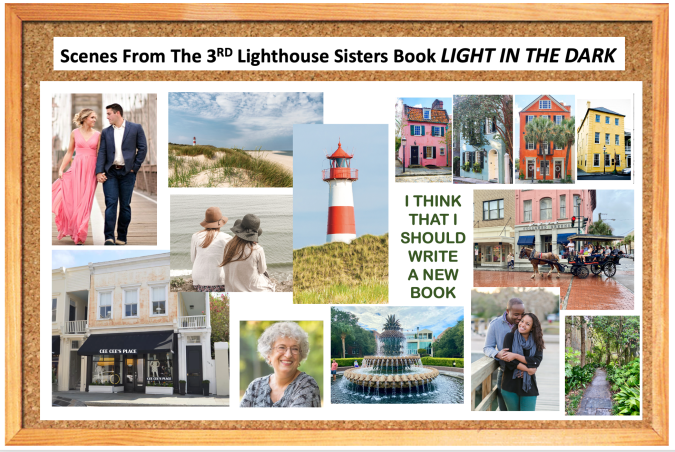
This Spring, Celeste’s story, LIGHT IN THE DARK, will take you visiting to Charleston to the north of Edisto. A rich array of the story’s scenes are set in the downtown Charleston area, introducing you to its shops on King Street, the city’s colorful homes and gardens, its quiet walkways, lush parks, and to the market and other historic sights. Celeste Deveaux, a retail lover, is drawn to Charleston, where she loves to spend time shopping and where she first performed in a downtown restaurant called Thurmond’s. You’ll meet many new characters in this story and see Celeste find her way out of the problems that have been plaguing her life and interrupting her career.
 Right now, as I write this post, I’m finishing my final outline for the last book in this four-book series, Lila’s story, which will focus on the Deveaux Inn and Lighthouse again, while branching out to encompass Edisto Island as a whole. In this book, I’m bringing a big plantation into the story, a market on the highway, many new characters, and a sweep of hidden issues and problems that need to come to light and be dealt with for many of the characters to find peace and joy again. As the title THE LIGHT CONTINUES suggests, life and love do continue after problems and pains. And we can all begin again after sorrows and hurts and find new love and joy. I hope you will enjoy all four of these Lighthouse Sisters books … and tell your reader friends about them!
 My husband J.L. and I just returned from a week at Edisto Island, enjoying the beach and a time of relaxation. While there we visited new places, and met some new people, that I hope to bring into the novel that I’m beginning. I gathered a lot of fun stories and facts while visiting at Edisto, too, that I hope to work into my storyline. Readers are already hoping I’ll write more Lowcountry books in the future, as well as continuing more mountain books… and a few ideas are already drifting around in my mind for future stories. So, In time, I’m sure there will be more Lowcountry books as well as more Mountain Home books to come.
If you have never visited Edisto you may want to visit it “via book” with the books I’ve written and set there … and you may also want to visit in person one day. The island is only eleven miles long … and you can rent beach houses along the island’s paved and sandy streets or rent a villa, condo, or house in the lovely Wyndham Resort. You will not find any hotels or motels on the island and one of the joys of the island are its many public beach access points all along the Atlantic coast and the St. Helena Sound. At Edisto the beach truly belongs to the people, and not to big hotels, and it is free to the public at every point and easily accessible.
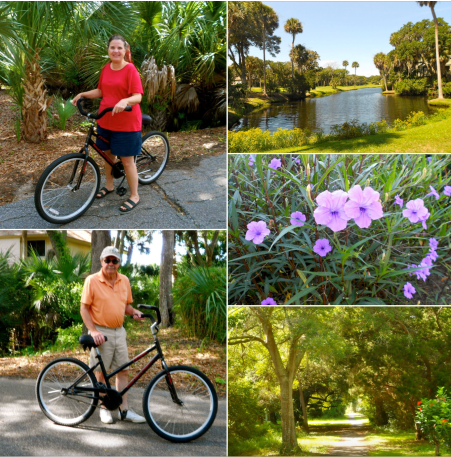
Bike trails wind through the island to enjoy, too, as do creeks and streams for boat and kayak access. If you are a camper, the Edisto Island State Park offers two campgrounds – one at the beach and another a short distance from the beach up the highway. There are lovely spots to visit all over Edisto Island, including museums, old historic churches, plantations, charming shops, art galleries, and local restaurants. You can also explore the 4000-acre Botany Bay preserve in a free auto tour, getting out to see marked sites along the route that tell about historic buildings and old plantations, or walking out on the boardwalk trail to Botany Bay beach. For day trips, Edisto is only a 45-minute drive from either Charleston or Beaufort, where an array of historic beauty and tourist attractions abound.
 An old quote by Toni Morrison says: “If there’s a book you want to read, but it hasn’t been written yet, then you must write it.” And that’s exactly what I did … taking readers first to the Smoky Mountains I love and then to the Lowcountry with wholesome, rich, and memorable stories that will linger in your heart and mind, draw you back to read them again and again … and pull on your heart to visit the places I write about….Books are truly the way I go home with people, and I hope you’ll let me “visit” with you soon in one of my stories ….Happy Reading!
Note: All photos my own, from royalty free sites, or used only as a part of my author repurposed storyboards shown only for educational and illustrative purposes, acc to the Fair Use Copyright law, Section 107 of the Copyright Act.
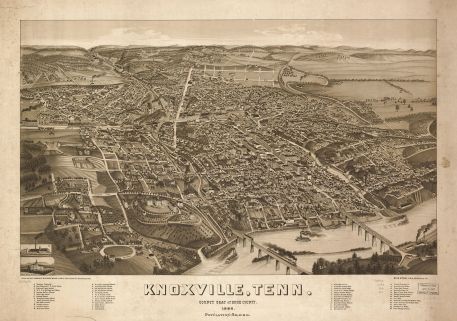 With the weather a little cooler around the East Tennessee area, J.L. and I decided to take a day and visit seven of the best-known historic homes in our hometown of Knoxville, Tennessee. Most of the sites we had visited in times past but others we hadn’t explored at all, so we had a fun day traveling around Knoxville, visiting all seven sites in the chronological order in which they’d been built. I hope you’ll enjoy sharing in our journey, with a photo of each site and a few brief notes about it, and I hope this post will make you eager to look into historic sites you can visit in your own hometown and community. I think you will find it more interesting than you might imagine, helping you learn more about your city’s past—and your own past. As David McCullough once wrote: “History is who we are and why we are the way we are.”
 The city of Knoxville began in the 1700s on a point high above the Tennessee River, on wilderness land once a part of the hunting grounds of the Cherokee Indians. What we know today as “downtown Knoxville” started with the first pioneer home built by James White in 1786 on Hill Avenue. White is called the Founder of Knoxville and he came from North Carolina to settle on a 1000-acre land grant given to him for his service as a Captain in the Revolutionary War. He soon built a fort around his home and gradually other outbuildings were added, a smokehouse and well, weaving house, blacksmith, and guest house, soon making it a hub for travelers and for trading. James White negotiated several treaties with white settlers and with the Cherokee. In 1791, working with President Washington’s Secretary of War, Henry Knox, White and his son-in-law Charles McClung divided a part of his downtown land into lots to help develop a town, which they called Knoxville after Henry Knox. In 1790, White’s fort was restored and opened to the public, and today visitors can take a tour of the grounds and learn about life in these early days in Knoxville.
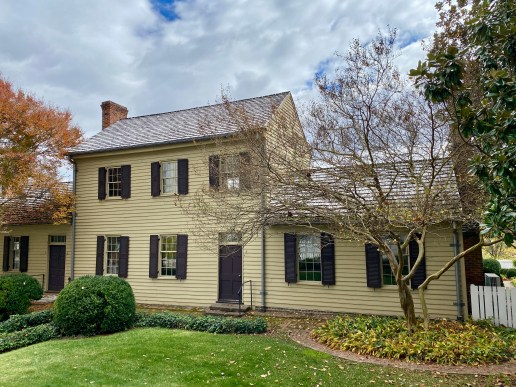 Across the street from the James White Fort is Blount Mansion, built by William Blount in 1792. William Blount, a signer of the United States Constitution, chose Knoxville as the area’s first territorial capital. He built his home for his wife Mary Grainger Blount and their children, and their fine home was also used for business and state meetings. Few pioneers, and especially the Indians of that era, had ever seen a home like the Blounts’ with glass windows and refined furnishings. Blount played a leading role in helping Tennessee to become a state and he became one of Tennessee’s first United States Senators in 1796. I wrote about Blount Mansion in an earlier post in November of 2022 if you want to read more about this site and see more photos.
 Our next visit was to Marble Springs State Historic Site, the last home of John Sevier. The 350-acre farmstead on John Sevier Highway contains the cabin homestead of John Sevier and his second wife Catherine. Sevier was a Revolutionary War soldier, a frontier militia commander, a hero of King’s Mountain, and later the first governor of Tennessee, serving six terms as governor in total. He lived at Marble Springs from 1790 to 1815. Visitors can take a “self-guided tour” around the grounds to see the Sevier cabin, with an added kitchen, nearby herb garden, smokehouse and spring house. On the grounds are other outbuildings made into an office and gift shop, plus an old tavern, moved to the site from West Knoxville. Many events and reenactments are held at Marble Springs and several hiking trails can be enjoyed on the property.
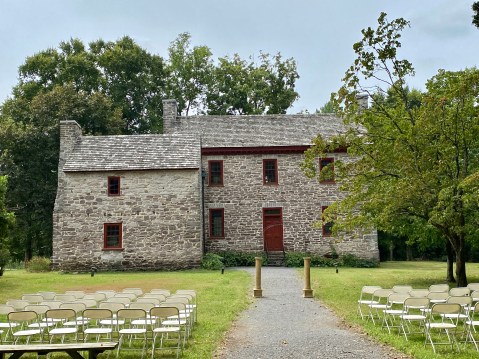 After leaving Marble Springs we drove to east Knoxville, crossing the Holston River, to historic Ramsey House on Thorngrove Pike, built in 1797. I’ve toured this house several times and have been to events here as an author. It’s a lovely old home to tour, on the National Register of Historic Places, and has been beautifully preserved. The stone house was constructed with marble and limestone and often called the “finest house in Tennessee” because of its architecture. The house was built by Colonel Francis Ramsey (1764-1820) and his wife Peggy, and the Ramseys were among the earliest families to settle in the Knoxville area. Colonel Ramsey was a leader in the military, a surveyor, a plantation owner, and a statesman. With John Sevier, James White, and William Blount, Ramsey was involved in the establishment of Knoxville and played many roles in the city’s early history.
 Crossing the Holston River again, we next visited the Mabry-Hazen House on Dandridge Avenue. Also listed on the Register of Historic Places, the house, built in 1858, is located atop Mabry’s Hill on an eight-acre site. The two-story Italianate house was constructed for Joseph Alexander Mabry II. Mabry was a wealthy Knoxville merchant and importer who helped the Confederate army during the war, with forces once occupying his home. His daughter, Alice, and son-in-law, Rush Strong Hazen, inherited the house which later passed to their daughter Evelyn. After Evelyn’s death the house opened as a museum. The day we visited, a group of homeschoolers had just taken a tour of the house, learning more about Knoxville’s early history and how people lived in past times.
 Knoxville developed first in areas close to its downtown. Many old homes like the Mabry-Hazen house and Ramsey House can be found in the East Knoxville area, where the Chilhowee Park was also created in the late 1800s. Other prominent homes developed to the North in Old North Knoxville in the last half of the 1800s, as did other fine homes heading West of downtown beyond the new University of Tennessee on Kingston Pike. The Pike was only 30 feet wide when first created in the 1790s, created to connect downtown Knoxville to Campbell’s Station further west. Crescent Bend is thought to be the oldest residential structure on Kingston Pike, built by Drury Paine Armstrong (1799-1856) and his family in 1834, on what was then a large tract of 600 acres of land. The big two-storied white house has lavish interiors and a commanding view of a bend in the Tennessee River behind it. Today the grand house can be toured but it is best known as an event site for lovely weddings and gatherings. The home has a beautiful tiered garden on its grounds, with nine terraces, five fountains, and lovely statuary, and in the spring the grounds are lush with flowers and masses of tulips.
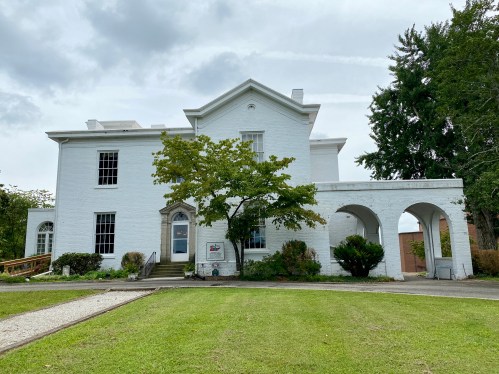 The next historic home on our list, Bleak House, was built by Drury Amstrong’s son Robert Armstrong and his wife Louisa in 1858 on a part of the family’s land they were given. Beautiful portraits of the couple hang inside the house in the front parlor. An antebellum Classical Revival style home, it also is on the National Register of Historic Places. The house was used as a Confederate headquarters during the Battle of Knoxville and two cannonballs are still imbedded in the walls. The home, now called Confederate Memorial Hall, belongs to Chapter 89 of the United Daughters of the Confederacy. It is rich with Civil War history. Tours can be arranged, and like Crescent Bend, many weddings and events are held at this elegant white house on the hillside. It, too, has lovely grounds and gardens.
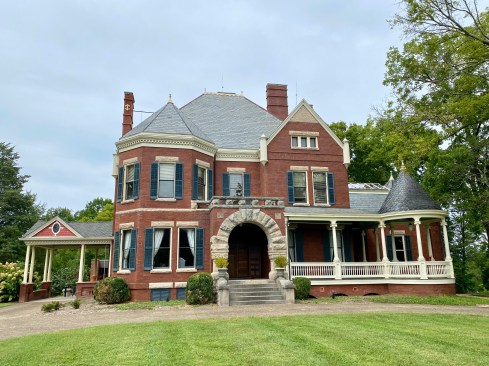 The final visit on our historic house tour was to Westwood, also on Kingston Pike, built in 1890. This Queen Anne brick home with its ornate exterior touches and Romanesque stone elements was built for John Lutz and his wife Adelia Armstrong Lutz. This is another home linked to the Armstrong family, the land given to the couple by Adelia’s father Robert Armstrong of Bleak House. Westwood house once sat on a large estate property with extensive grounds. The house stayed in the Lutz family until 2009 and was later given to Knox Heritage to restore in 2013. The interior of the home is beautiful and one of its special distinctions is that there is still a painting studio and art gallery in the house, with over 30 of Adelia Armstrong Lutz’s paintings. The studio is stunning to see with red walls and gorgeous architecture. Adelia was a prominent and well-known artist of the day and is considered to be the first professional woman artist in Knoxville. Her home, Westwood, was inducted into the prestigious Historic Artists’ Homes and Studios (HAHS) network in 2002.
 Knoxville is my home town, surrounded by beautiful natural scenery, and I do love it. Knoxville had the first state newspaper in Tennessee and it is the home of one of American’s oldest state universities, The University of Tennessee, started as Blount College in 1794. Knoxville was the first capital of the state of Tennessee, and Knoxvillians have run for president, won Pulitzer prizes, served in famous military roles, been recognized as conservationists, scholars, and industrial leaders. I’m sure your home town is full of rich history, too, and I hope you’ll take some time to visit some of the historic sites and buildings where you live. Robert Penn Warren said: “History cannot give us a program for the future, but it can give us a fuller understanding of ourselves and of our common humanity, so that we can better face the future.”
 “Festivals are happy places.”
 My favorite festivals are the Regional Festivals held around the Appalachian and southeast area where I live. These festivals also include juried Arts and Crafts Shows, where participants submit their art or show items to be judged for inclusion. We have attended many of these, like the Home Craft Days Festival in Big Stone Gap, VA, the Foxfire Mountaineer Festival in Clayton, GA, and the Townsend Spring Festival in the Smokies. We also enjoy the annual spring Artisan Market in Lenoir City, TN, sponsored by the Foothills Craft Guild, and full of wonderful fine artists. Many times in past. we have also attended the Wilderness Wildlife Week festival, held in Pigeon Forge every year, where J.L. and I give presentations during the days of the event. This festival, continuing for several days, has vendors, speakers, hikes, and excursions.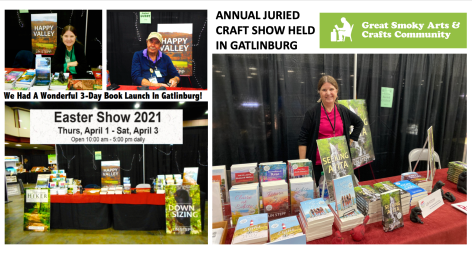
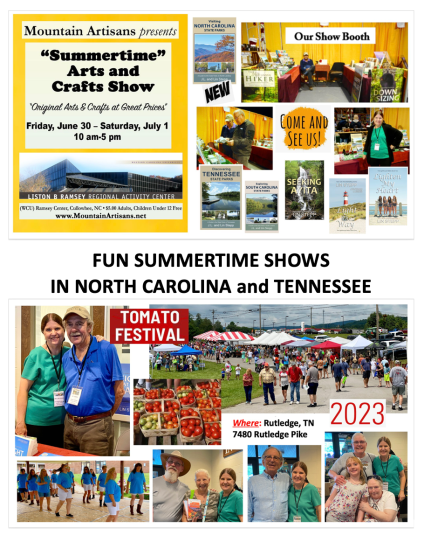 As the summertime kicks in, with its warm weather and with children out of school, many festivals are held outside all around the U.S. We can attend only festivals where there is some “indoor” space since we have a multi-book display to protect from the weather. This year we traveled to the Mountain Artisans Summertime Arts and Crafts Show in Cullowhee, North Carolina, for a two-day show and then in July to the annual Grainger County Tomato Festival in Rutledge, Tennessee. We’ve been attending the Tomato Festival for over twelve years now … and it is one that we always enjoy. At the Tomato Festival are vendors, entertainment, artisans, crafters, and vegetable farmers from around the Grainger County area with their wonderful Grainger County Tomatoes the festival is named for.
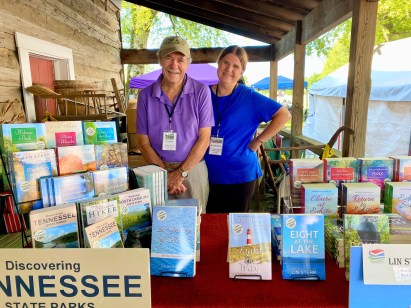
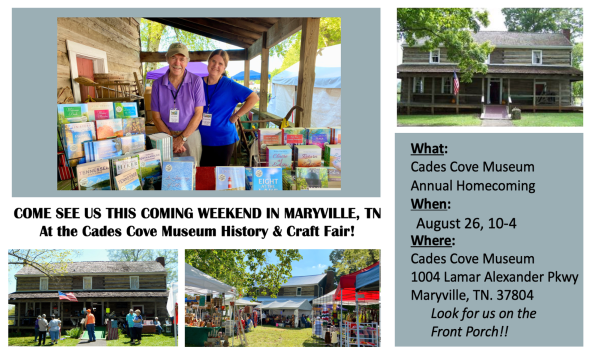 Coming up for us at the end of August is one of the many historical festivals we love to participate in each year – the Cades Cove Museum Homecoming held on the grounds of the old Thompson-Brown House, built in the 1700s. The old historic house contains the Cades Cove Museum with pioneer relics and furnishings. This event is coming up this month on Saturday, August 26th, so make plans to stop by if you can! We’ll be on the porch of the old house, like in the picture at the beginning of this blog post. If you’ve missed reading some of our books, we’ll have all of them there with us … and you’ll enjoy visiting with the wonderful vendors, historians, and entertainers at this festival event. You can also have lunch under one of the big shade trees.
 Starting in October, J.L. and I have back-to-back signing events every weekend through October, November, and into December, not only in Tennessee, but in North Carolina, Kentucky, and Georgia. Some festivals are still being finalized … but most are already on the Appearances page of my author’s website with specific dates, places, addresses, and times… We’ll be going to Frozen Head State Park’s Heritage Festival October 14th, to the Treats, Crafts and Vendor Show in Rock Spring, Georgia, on October 21st. Later in October, we’ll be attending the Annual Mountain Makins’ Festival in Morristown, TN, October 28th and 29th and participating in the Foothills Craft Guild’s fall show on November 3rd and 4th. Note the photo college illustrations are from past events we attended … so be sure to check the dates and times on my website for when these events will occur this year. What is always fun about all of our fall events is the variety at the festivals … the different crafters, artists, photographers, entertainers, the special activities for the kids, food vendors, and lavish fall decorations.
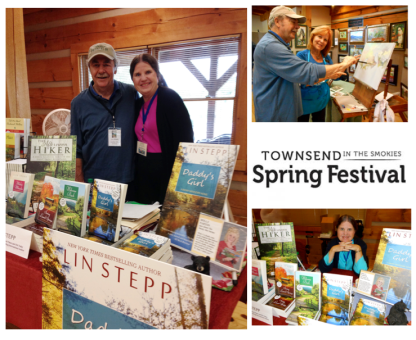 I hope talking about all these festival events in my blog post will encourage you to look for festivals you can attend in your own home area, if you don’t live near us in the Southeast. In most all parts of the U.S. and abroad, there are an abundance of year-round festivals you can visit and enjoy. Most of the ones we attend are Free to the public or only charge a small entrance fee to help offset parking – and are full of family fun for all ages. Long before we became authors … J.L. and I loved visiting festival events, always offering a great getaway from the house and an entertaining day. Our memories are packed with good remembrances of beautiful crafts, great food, rich entertainment, and the additional joy of meeting new friends along the way. As for me … “I am going to keep having fun every day I have left, because there is no other way of life. You just have to decide whether you are a Tigger or an Eeyore.” [Randy Pausch]
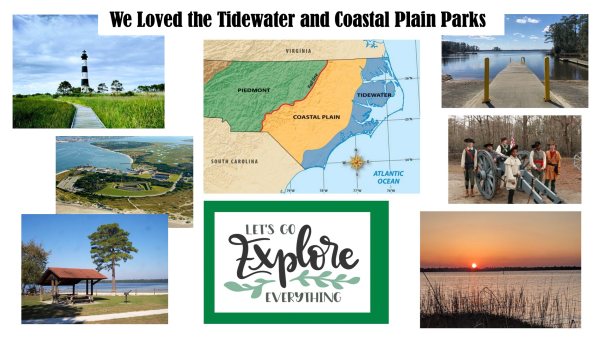
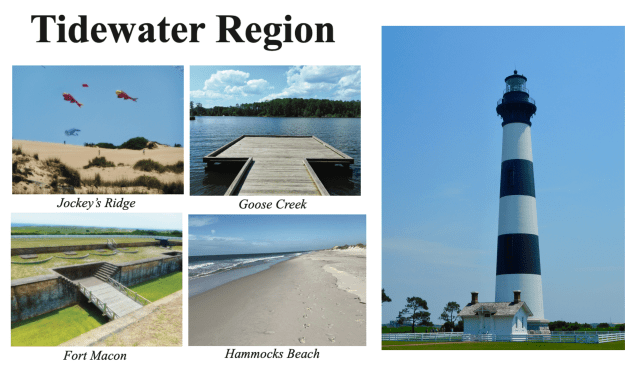
 On July 8th, J.L.’s and my fourth regional guidebook publishes, titled VISITING NORTH CAROLINA STATE PARKS. As with our two other state parks books, J.L. and I visited every single state park in the state to write this new book. We started our journey on North Carolina’s Atlantic coast and worked our way gradually west in week long trips. We had a glorious time visiting and exploring every park so we could share all the fun things to do and see in each one with our readers … lakes to enjoy, trails to hike, campgrounds and amenities available, historic spots not to miss, and much more. We also added the NC national parks and historic sites in our book, too. In many other states, like in Tennessee, these are governed by the state parks system …and they were too pretty to leave out of our guidebook! We delighted in journeying across the state over the last two years, and I hope you will enjoy reading our new guidebook and planning some trips of your own.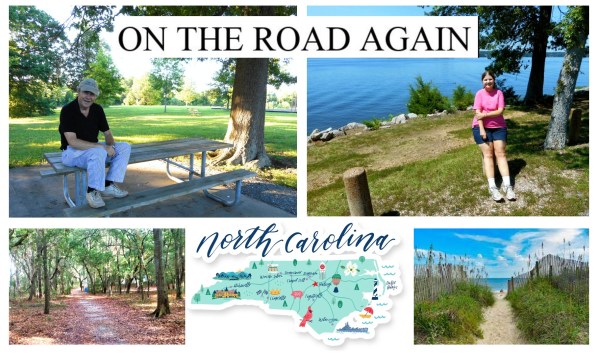

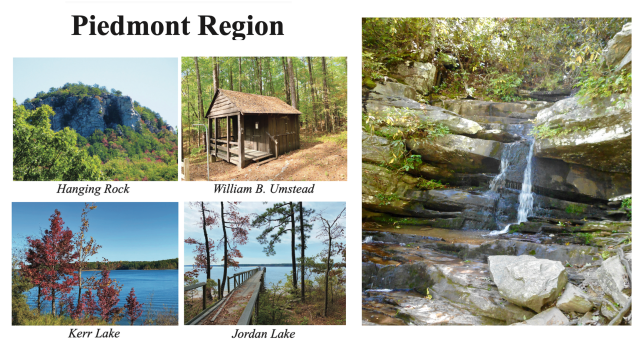

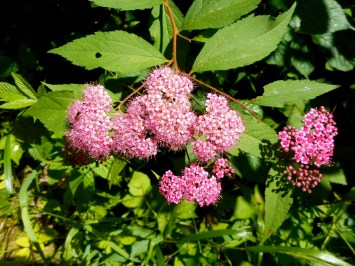 While in this upper region we visited points on the Overmountain Victory Trail, the Appalachian Trail, and then drove much of the beautiful Blue Ridge Parkway – a National Parkway with stunning points and views all along its route. We visited Mount Mitchell State Park while high on the Parkway, one of our favorite parks in North Carolina, and also went to both sections of Grandfather Mountain State Park. Moving south we enjoyed Lake James State Park, a large park with two unique sections and lots of camping, South Mountains, Carl Sandburg’s national historic site, and Chimney Rock State Park not far from Lake Lure, another favorite on our travels. Starting into the far western region of North Carolina we visited Gorges State Park, hiking the trails and seeing the waterfalls, and then moved on to finish our travels checking out points on the Trail of Tears National Historic Trail and exploring North Carolina sections of the Great Smoky Mountains National Park and the end of the Blue Ridge Parkway near Cherokee.
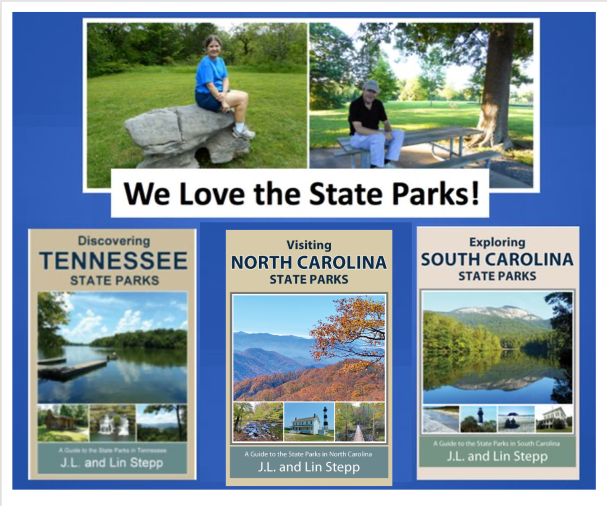 J.L. and I love the state parks. We have visited all the parks in our home state of Tennessee and in South Carolina and North Carolina now … and I imagine we’ll soon be ready to start visits to yet another nearby state. We hope you’ll enjoy our brand new North Carolina guidebook … and our past books, too, if you’ve missed them. Summer is a wonderful time to visit the parks when the weather is warm, when the grass and trees lush and green, and the days long,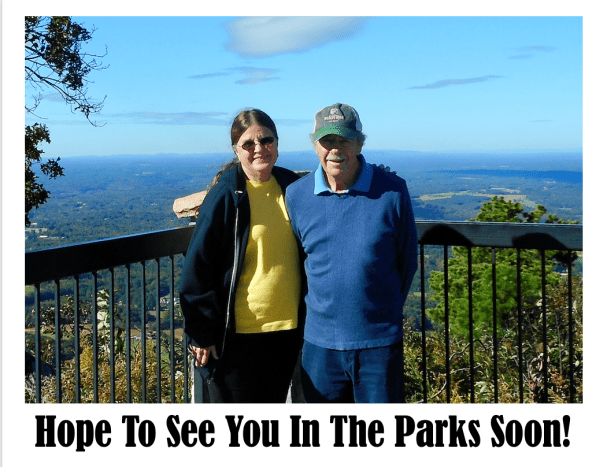
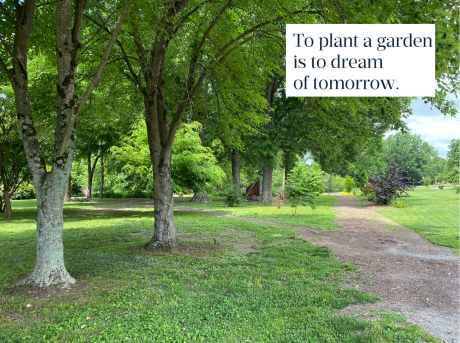 A botanical garden is a unique type of garden devoted to the study and conservation of plants, the garden often open to the public so they can see and learn about plant species. Usually, plants grown in a botanical garden are chosen because they grow well in the garden’s region, and most are labelled with their botanical names. Botanical gardens help us become more aware of native plants, flowers, shrubs, and trees, and acquaint us with plants’ names, purposes, and unique characteristics.
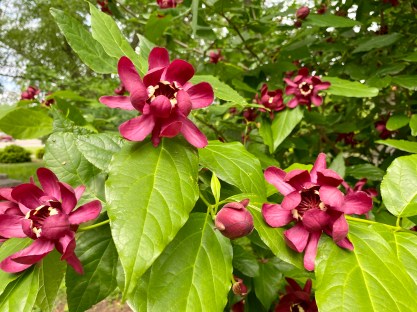 The first known botanical garden dates back to an early Chinese dynasty, but the modern concept of a botanical garden first originated in Europe when the Padova Botanic Garden was built in Italy in 1545. Today approximately 2,500 botanical gardens can be found around the world and they cultivate over 6 million plants. People today do not recognize and know as much about plants as in past generations. This phenomenon is called “plant blindness,” and the changes in our culture, that have created this lack of awareness, are unfortunate because plants are, and always have been, crucial to our survival as a species.
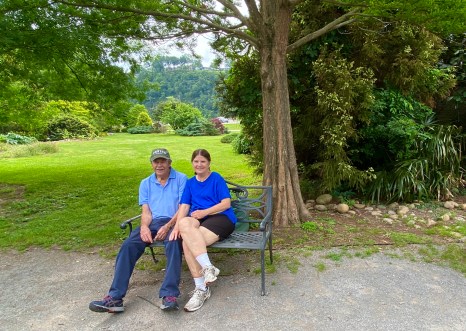 J.L. and I visited one of the botanical gardens in our hometown recently, the University of Tennessee Botanical Garden. The gardens developed for horticultural study at the UT agricultural campus and visitors can walk the one-mile trail of lovely pathways that wind throughout the sections of the garden. In April 2013 Governor Bill Haslam signed a bill designating UT Gardens as the official State Botanical Garden of Tennessee. The overall garden includes the garden at UT Knoxville plus the gardens at the Ag Research and Education Center in Jackson and at the Ag Research location in Crossville.
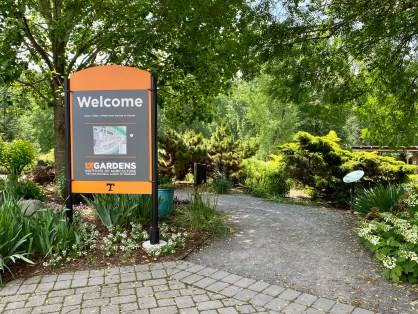 The UT Knoxville garden is open sunrise to sunset with free admission and parking. It is a treat to visit. To get to the garden, travel from Kingston Pike down Neyland Drive beside the Ag Campus. Then turn left on Jacob Drive by the Veterinary Medical Center. Park across from the garden entrance in one of the designated parking spaces set aside for visitors to use.
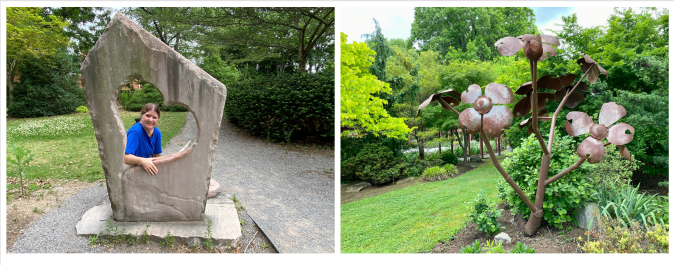
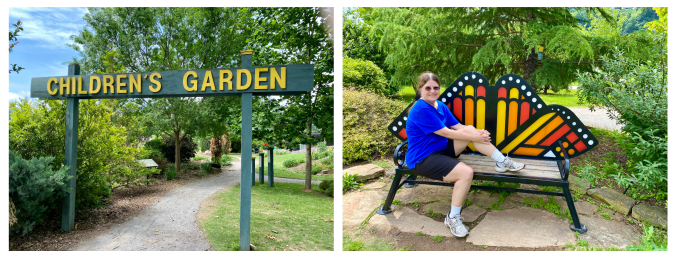
 The pathway into the garden begins at the Welcome sign across from the parking area. The crushed gravel path soon leads into an open plaza with picnic tables and then along scenic. pathways from one section of the garden to another. Signs along the way identify the plants, flowers, shrubs, and trees, often with information about them. The plants you see at the UT Garden are predominantly ones that grow well in the East Tennessee region, offering ideas for plants you might want to try in your yard, garden, or property.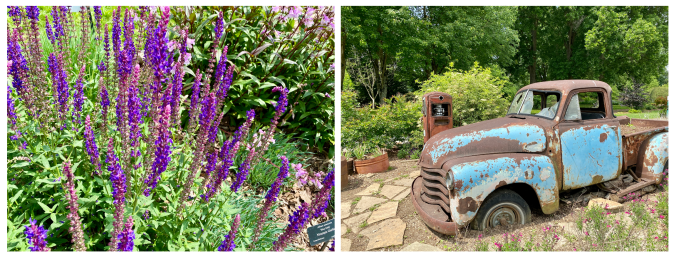
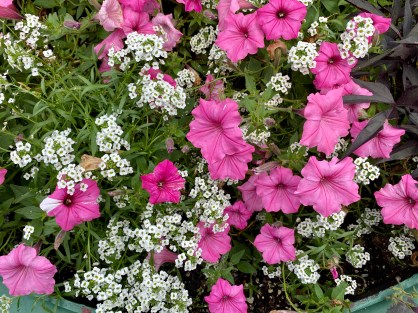
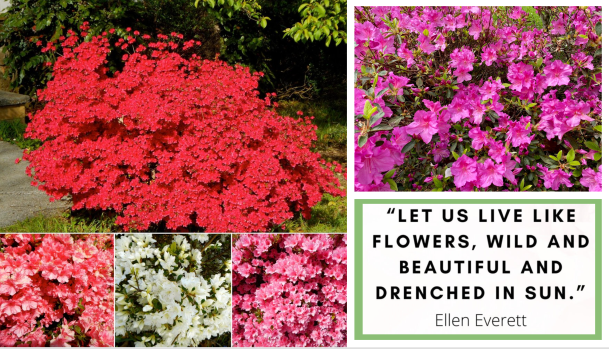
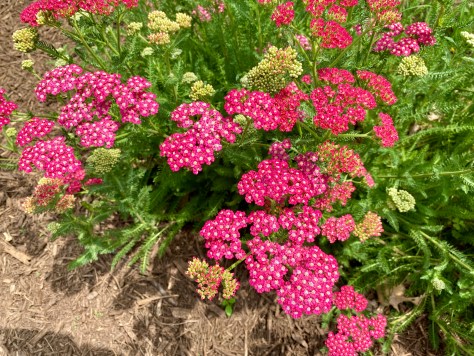 In several areas nearby and scattered around the garden are Annual Trails, filled with more familiar plants to us like petunias, white alyssum, vinca, sedum, coneflowers, pansies, and more. Tucked around the garden paths were many flowering trees and shrubs, like dogwoods, azaleas, and rhododendrons, beautiful lush groundcovers, and unusual trees like Japanese maples and bald cypress.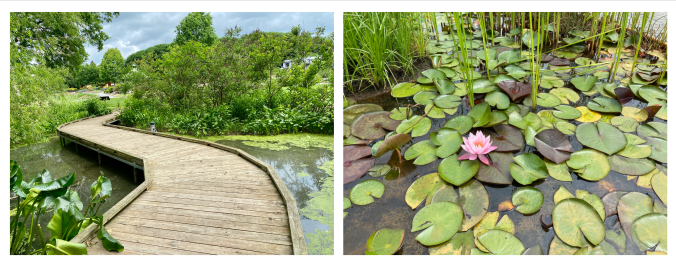
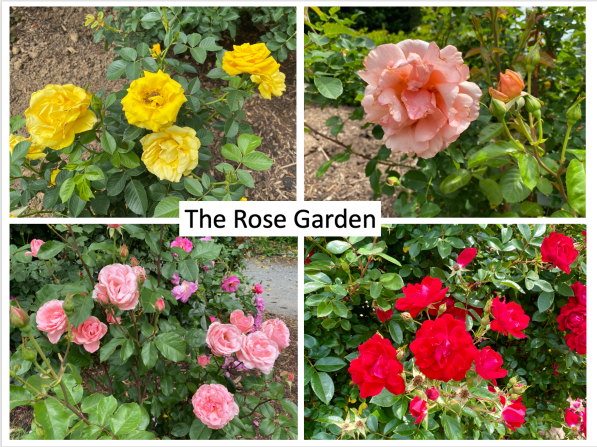 The Beall rose garden is a lovely spot to explore. There are over 120 rose varieties, labeled for you, like hybrid teas, miniatures, and grandifloras, all in a multitude of lush colors. Many were just blooming in late May and you can continue to enjoy the roses into the summer. So visit soon!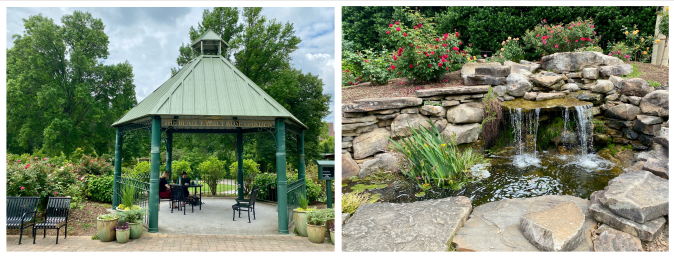
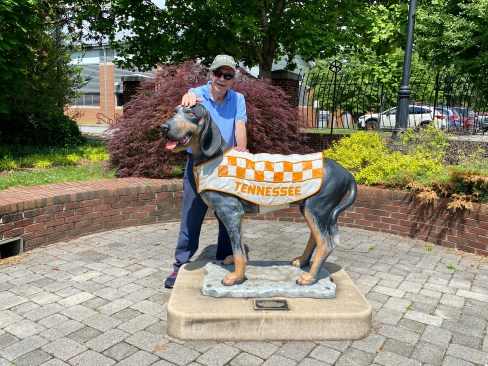 Before we left the garden, I couldn’t resist taking J.L.’s photo with UT’s “Smokey” mascot since we are both UT graduates. We both plan to return for more walks in this garden not far from our home, and another day want to take one of the continuing trails leading from the garden. One winds its way behind the UT greenhouse and along Third Creek all the way to Tyson Park. Another, the Neyland Greenway, starts at the back of the botanical garden and travels along the Tennessee River to the Volunteer Landing Park. There are so many treasures for us to enjoy right in our own backyards … if we’ll just seek them out.
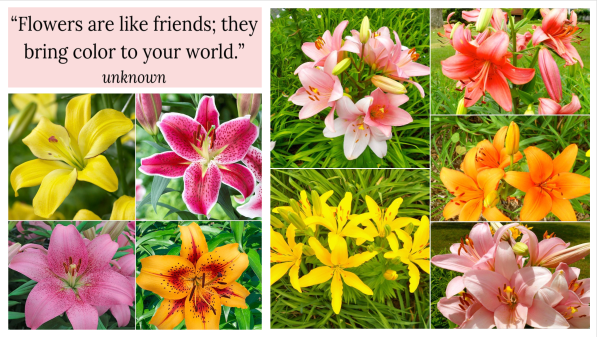
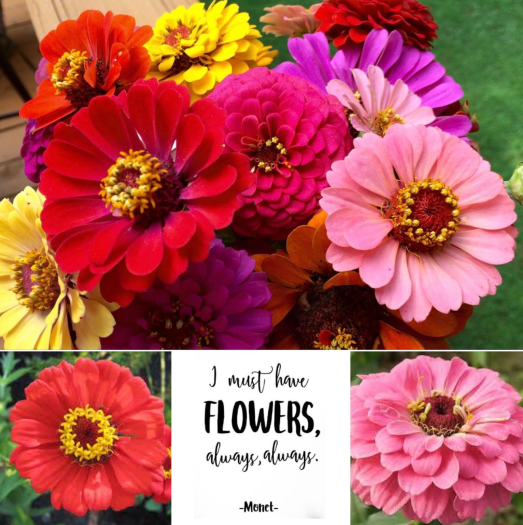
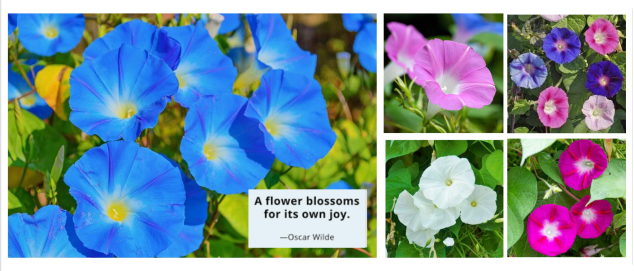
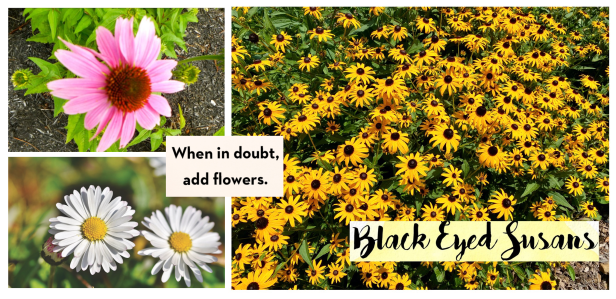
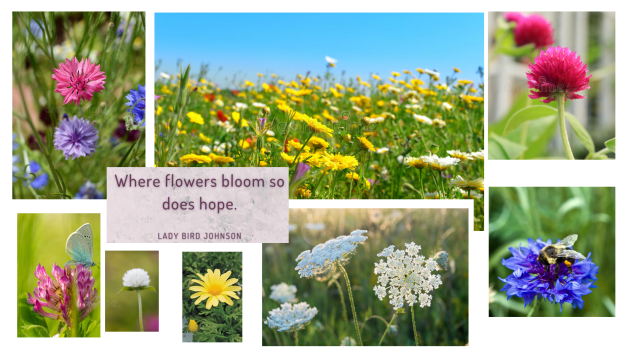
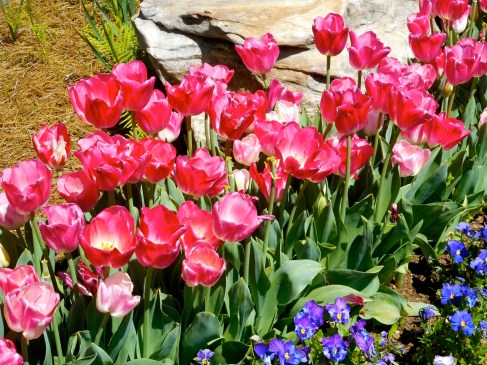
 One of the sights that most lifts our spirits as Spring arrives is to begin to see the early flowers in bloom. In most places these are crocus, daffodils, and snowdrops, followed by flowering shrubs and trees like forsythia, spirea, redbuds. dogwoods, and then creeping phlox, grape hyacinths and wildflowers galore in the mountains. …As May arrives in Tennessee, the yards and trees are rich green, with more flowers arriving daily. Ever since I was a girl, I have loved watching for the different flowers as they bloom around the yards and fields, woods and mountains. My parents were great gardeners of vegetables, flowers, and even fruit trees and grapevines… so with their tutelage—and joy in growing things—I grew up close to the earth, with a deep appreciation for growing things.
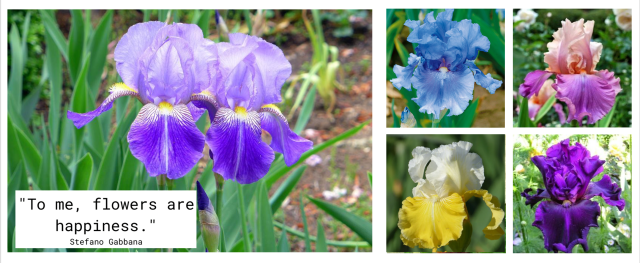
 I saw firsthand the connection between flowers and how they impact feelings, health and emotions—giving people a lift in their spirits as each new flower blooms and brightens the world. Now, as a psychologist, I can tell you a large body of research has shown that flowers are deeply connected to good health and positive feelings. They make us feel good for their beauty and for our positive memories associated with them. Flowers trigger sensory engagement, create feelings of happiness, joy, and satisfaction. They invite, by their color and beauty, for us to come close to observe, admire, touch, and smell. Flowers literally make us feel happier and improve our moods.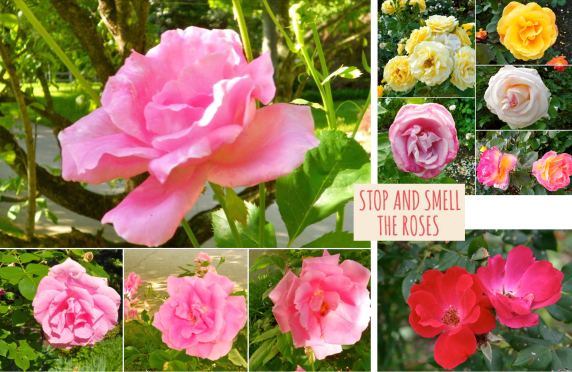

 Lin Stepp