 I live in the city of Knoxville, Tennessee, a short distance from the Smoky Mountains. In my part of the world, we experience the four seasons… a warm but pleasant summer, a pretty, colorful fall, a cold and sometimes snowy winter, and a lovely spring, rich with flowers and new growth. “Hurricane” is a word we’ve heard often enough here in Tennessee and my Appalachian area, but generally to our way of thinking it relates to the coastal areas of the United States. When those harsh tropical storms blow into the panhandle or up the east coast areas of the southeast United States, we watch the reports, remembering those we know and love who live in those areas that might be affected, praying for them, checking on them. Sometimes as the rains and winds from hurricanes and tropical storms blow inland, we get a lot more wind and rain than normal, occasionally flooding, Sometimes, trees are felled by wind or too much rain in the soil. But we rarely if ever see any really destructive weather damage.
 In the past. Knoxville and East Tennessee has received a little wollop from Hurricanes like Hugo, Opal, Frances, and Ivan that packed enough wind to topple trees and power lines. Sometimes low-lying roads and trails in the valley here around Knoxville and in the Smokies get flooded and the roads closed, but Hurricane Helene sent our region a sweep of frightening damage and destruction most of us, even those of us who grew up here like me, have never seen before.
 As Hurricane Helene moved closer to the gulf coast and the Panhandle last week, the reports began to predict that the cone, and the storm, would roll up through the southeast, bringing us a lot of rain and wind. It was Florida though and some of lower Georgia that were told to prepare, to batten down the hatches, to possibly evacuate in especially vulnerable areas. Most of us around the Appalachian area, so much further north, didn’t even race out to the store to get bread, milk, and some groceries, to get extra water, to fill the bathtub, to make preparations for possible power outs or problems as with the occasional winter snowstorms we get.
 Hurricane Helene streaked into the coast, a large, fierce storm, but soon downgraded as it began to move inland, except that the storm was wide and filled with ongoing rain and wind, especially heavy, heavy rain. It had actually been raining somewhat heavily around many Appalachian areas of Tennessee, North Carolina, Georgia, and South Carolina a couple of days before Helene even moved in, which didn’t help things as Helene’s rains progressed our way and it rained and rained, and then rained and rained some more. Swollen rivers began to overflow their banks. Flood reports began to come in from many areas. And the ongoing rains didn’t stop. In many areas felled trees and flooding began to create power outages, storm damage, and unexpected worries. Those unexpected problems escalated as Helene began to linger on and on over our area.
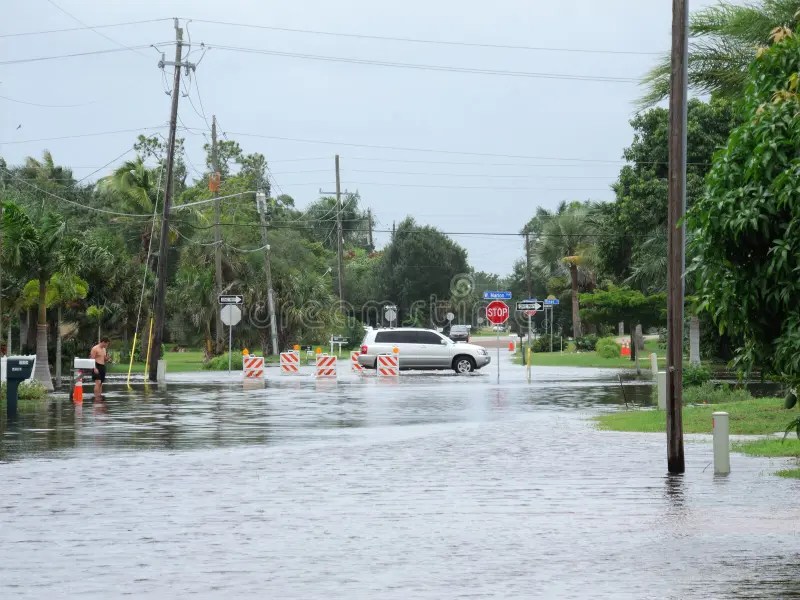 We began to hear reports that conditions were really bad in many areas, that roads were closed, farmlands and homes inundated with water, and even towns along the rivers flooding and the waters raging. People were stupefied. It was so unexpected, and much of it came more rapidly than anyone envisioned, too. Evacuations began as the turbulent floodwaters crept into businesses, people’s homes, and over more and more of the towns and lands around the Tennessee and North Carolina mountain areas, all so familiar to us. Festivals in the Smokies—like one where we were scheduled to sign books—cancelled, businesses shut their doors, roads were closing because they’d become impassable. People began to be warned of more imminent danger to come, too, from the ongoing rain, floodwaters, felled trees, and more.
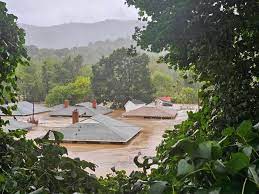
 Many of us, like J.L. and I were stunned and shocked, as footage began to show up on internet sites, Facebook, and the news channels of whole towns being flooded, roads being washed away, homes underwater to their roofs. We simply don’t see sights like these in our region and it was hard to look at the images and realize how close to our home they were. Farmers began to see their entire fields, barns and outbuildings being covered with water, often too swiftly and unexpectedly to get their equipment and animals out safely. What had been predicted to be a heavy storm quickly turned into a nightmare.
 By Saturday, more and more unprecedented catastrophes were being recorded. Here in our part of Knoxville, we were blessedly safe, the rains dissipating some, everything soggy but with little damage reported near us. But almost every road in the Smoky Mountains closed and streams and rivers there had turned into a torrent, flooding over walls into the streets of Gatlinburg and Sevierville, flooding side roads and hiking trails, washing out sections of the Appalachian Trail. Signs were posted asking people not to come to the Smokies at all and soon we began to learn the flooding and problems there were larger than we knew.
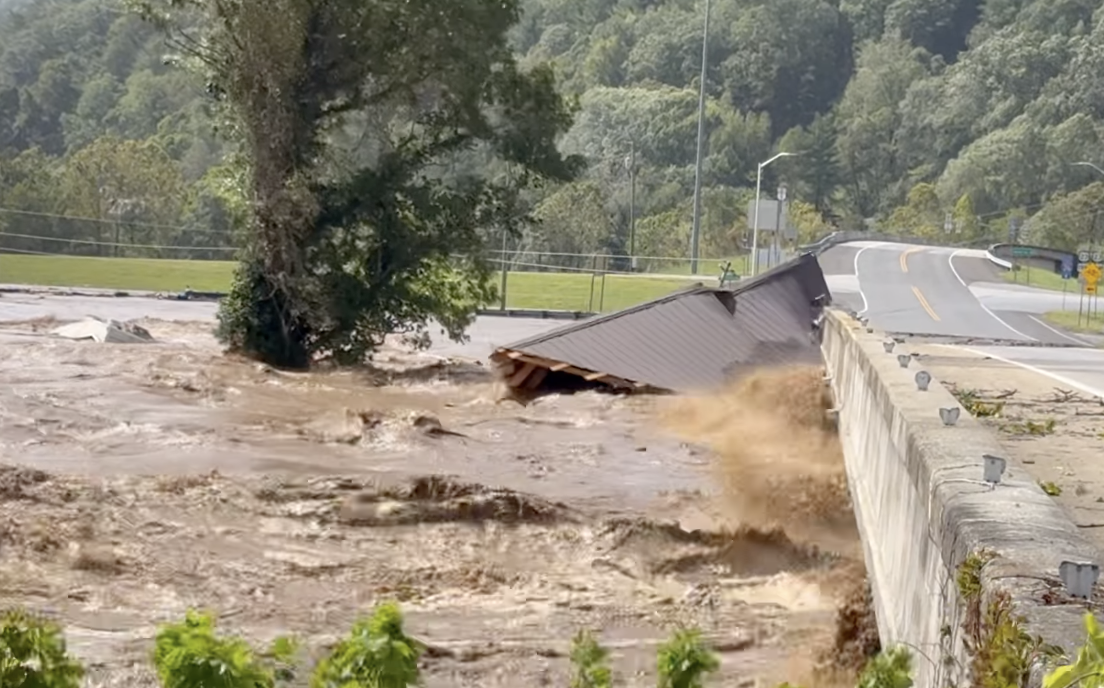 Western North Carolina especially got pummeled with Hurricane Helene. Flooding seemed to be everywhere. Trees felled in many areas, and power outages increased. Large sections of towns along streams and rivers like Waynesville, Sylva, and Asheville were soon awash in flood waters. Towns, large and small, like Hartford and Hot Springs between Tennessee and North Carolina, were soon flooded, streets torn away by the water, buildings collapsing and rolling downstream. In Erwin and Unicoi County, in the Tri-Cities area of East Tennessee, the Nolichucky River went crazy, breaching its banks and turning into a wild rampaging river, grabbing homes and barns in its teeth and swirling them downriver to crash them into bridges. Buildings were soon submerged in floodwaters. Fifty-four people were stranded on the Unicoi County Hospital roof and efforts to rescue them by boat and helicopter failed. They spent seven hours in fear on the roof watching the roaring flood waters all around before they could finally be rescued.
 Area dams in these areas were pushed to capacity, with water cresting over the dams and flowing around the sides of the dams. A number of flash flood warnings were put out that dams were close to imminent failure and affected residents warned to evacuate like at the Nolichucky Dam. The Waterville Dam, just over the state line in North Carolina, sent out warnings, too, as did the Lake Lure Dam in Rutherford County, North Carolina. Other dams around the TN and NC area began to send water spilling through all their gates, because of the critical need to handle the water buildups, but this brought flooding to many areas along the rivers below.
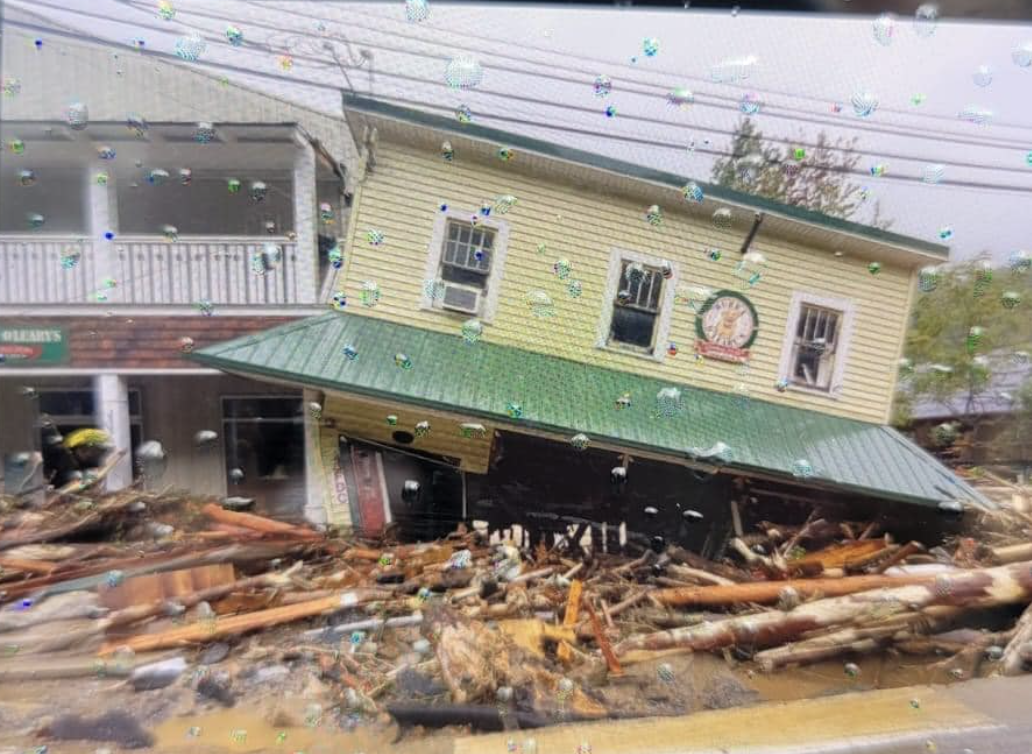 The dams held, blessedly, but the waters rushing down the river and the streams continued to bring more and more damage and chaos. The small tourist town of Chimney Rock was completely destroyed by the flooding, the town a rubble of ruined buildings with roads torn apart, trees felled, and bridges destroyed. The pictures were heartbreaking to see. Water roared through the main roads of Maggie Valley and flooded nearby Waynesville, North Carolina. The town of Asheville was soon flooding in many areas, too, like around Tunnel Road, and the historic Biltmore Village was soon almost submerged with flood waters from the Swannanoa River. The waters also flooded the town of Marshall and other nearby areas. The floodings spread down to Hendersonville and into South Carolina towns like Greenville and Spartanburg. People began to be trapped on rooftops and in upper stories of homes and buildings. Mud and rain filled the roads with power-outages everywhere. Deaths were being reported, not only in Florida where Hurricane Helene first hit, but in Georgia, South Carolina, into North Carolina, and Tennessee.
 On Saturday, a huge section of Interstate 40 between Tennessee and North Carolina, heading toward Asheville, totally collapsed, closing the interstate. Soon other major roads were closed, like I-26 not far from Johnson City, where whole sections washed out from flooding. Continuing road closures soon left Asheville virtually stranded with no safe way to come or go and with much of the city without power, cell service, or safe water. It was incredible to see this major city brought nearly to a standstill with rescue operations continuing all around the city and the nearby North Carolina area.
 I saw videos of farmers weeping over their horses and animals lost, of their crops destroyed. Having just traveled all through Georgia, I saw, as one farmer said, the cotton and peanut crops ready to harvest, and remember the huge tracts of pecan groves, many now destroyed. Dairy farmers who use machines, now with power out, can’t milk the cows and they are suffering, and the farmers sorrows and losses will impact the availability and prices in our grocery stores to come. This makes me realize how much more a part of each other we are than we realize.
 Life so often brings us surprises we don’t expect, too. We often think we have control over our lives and our world but then find we do not. Life, instead, is full of unexpected twists and turns. We have to all become resilient in this life, able to stand through those dark and unexpected times, to be strong enough to survive and overcome the unexpected. I am a person of great faith and believe strongly in the protection of God and in the power of prayer. But as Julius Caesar wrote, “No one is so brave that he is not disturbed by something unexpected.” And these unexpected tragedies in our Appalachian area of the world have certainly been that.
 How do we handle the sorrows, the unexpected tragedies of life? How we do handle them tells a lot about who we are. Some suggest that it is when the going gets tough that our character is revealed. William Samuel Johnson wrote: “He knows not his own strength who hath not met adversity.” I also like this quote by Doe Zantamata: “It is only in our darkest hours that we may discover the true strength of the brilliant light within ourselves than can never, ever, be dimmed.” I hope that light in you is faith, and that in all situations of unexpected sorrow, tragedy, or calamity that you draw strength from the Lord and gain help from Him, knowing God is always ‘your refuge and strength,’ like Psalm 46 promises, ‘a very present help in trouble, and that though the earth be removed, the mountains be carried into the sea, and though the waters roar and are troubled and the mountains shake, He will be there.’
What is your response to the troubles of others? As you would want help in trouble, not just from God, but from the people around you, you should try to be a help, too. In times when you learn of calamity, suffering, and unexpected and harsh events that shake people’s worlds, find a way to be there for them as you’d want them to be reach out to you. Love your neighbor as yourself.
 Perhaps you have been grieved and shocked over the devastation from Hurricane Helene. Undoubtedly, you have watched the news in distress and seen the painful photos of the destruction. Concern is good and prayer is good, and we should all be praying and concerned for those in hurt and need, but we should also reach out and “give” tangibly. Research, pray, and seek for a route to give money and help in some way, through a reputable helping source you know of that will get help directly to those in need. Look for one that is already reaching out to take in supplies, aid, water, and food and be wary of scammers or organizations that keep the major portions of funds received within their organizational structure. Search, pray and ask God “What can I do?” If you know anyone personally that is suffering want or need or loss, then reach out directly to be a help. As Proverbs 3:27 advises, don’t ‘withhold help when it is in your hand to do good to those in need.’ Be a giver; find a way to freely give. In all areas of your life, not just in a calamity, look for ways to give back for all the blessings you enjoy. And “When you arise in the morning, think of what a precious privilege it is to be alive—to breathe, to think, to enjoy, to love” [Marcus Aurelius]. We have so much to be grateful for every day that we so often take for granted.
______________________________________________________________________________________
Note: All photos my own, from royalty free sites, or used only as a part of my author repurposed storyboards shown only for educational and illustrative purposes, acc to the Fair Use Copyright law, Section 107 of the Copyright Act.
 Our parents and grandparents often make the comments “When I was a boy …” or “When I was a girl …” remembering earlier times and reminding us of how much things can change in our world in only fifty to sixty years or more. I used to smile at these remembrances of change and still do … but it’s actually remarkable to realize how much our culture and society has changed in so short a time. Only a hundred years ago in the United States, the average family was just beginning to drive Model T automobiles. Most families were only beginning to get telephones then, too, and television or computers hadn’t even been invented. Shopping in those times only involved a limited number of small groceries, a few department stores and family-owned shops.
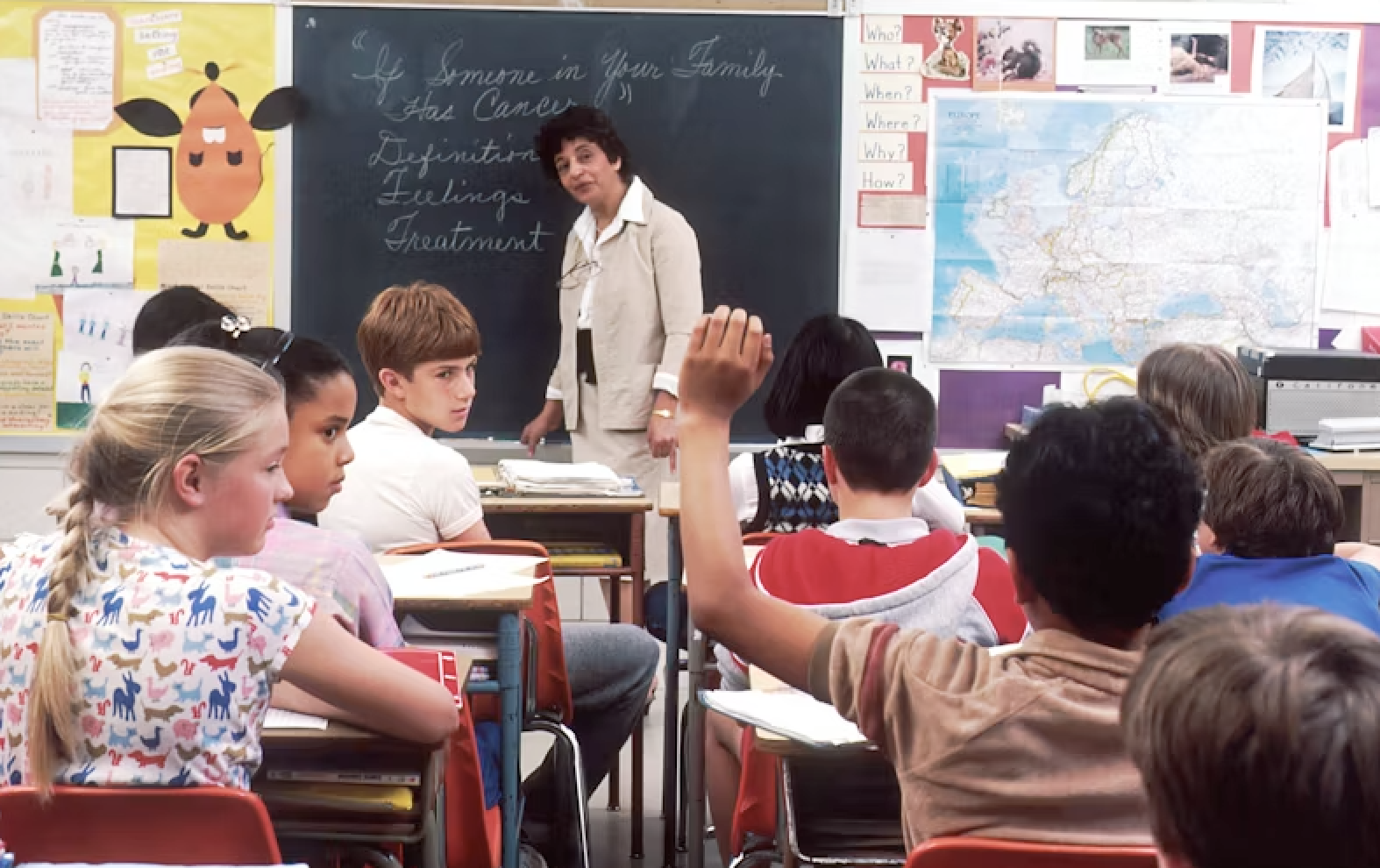 I think it’s good, sometimes, to look back and think about how life has changed in our world. It helps us to be grateful for new inventions and positive changes, and it also helps us to see ways in which our world might have been better in past. So, my blog post for September offers a look back to help us see changes between “then-and-now” from the 1950s and 1960s to today. Many of you, or your parents or grandparents, may well recall the 50s and 60s, but it’s all too easy to forget those times, too, and how much life has changed since then.
 The average home in the 50s-60s was different from those of today. Most suburban homes were smaller, with about two to three bedrooms, one bathroom, a living room, kitchen, dining area, a single car garage, and usually a large yard if not in the city. Some people had started to put air-conditioning units in their homes in the 1950s but in others window fans were the norm. Central heating was a little more common but many homes still had furnaces, fireplaces, or wood stoves. Home backyards often had a garden and people mowed their grass with a push-mower.
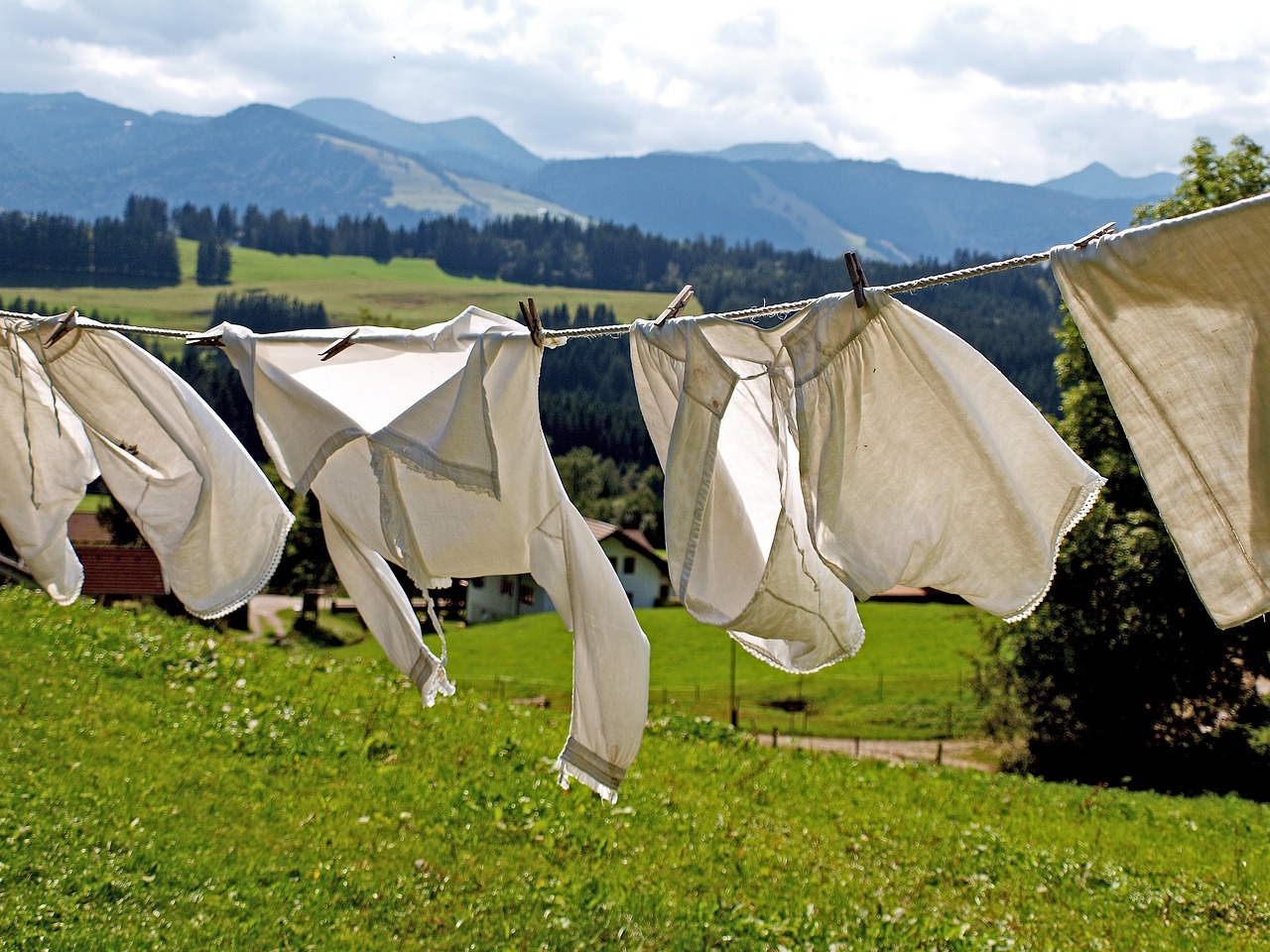 Appliances we know today were different, too. Most all homes had stoves and refrigerators—and many had a freezer for vegetables from the garden–but microwaves, electric can openers, icemakers, disposals, electric knives, and many other time-saving devices were not yet invented. Homes had washing machines but dryers didn’t become common until after the 1960s. People hung their laundry out to dry on clotheslines in the back yard. In the 1950s, and even into the 1960s, most women could—and did—sew, and often made many of the family’s clothes. Home sewing was actually a billion-dollar industry in the 1950s. People had smaller closets in their homes and fewer clothes then, too.
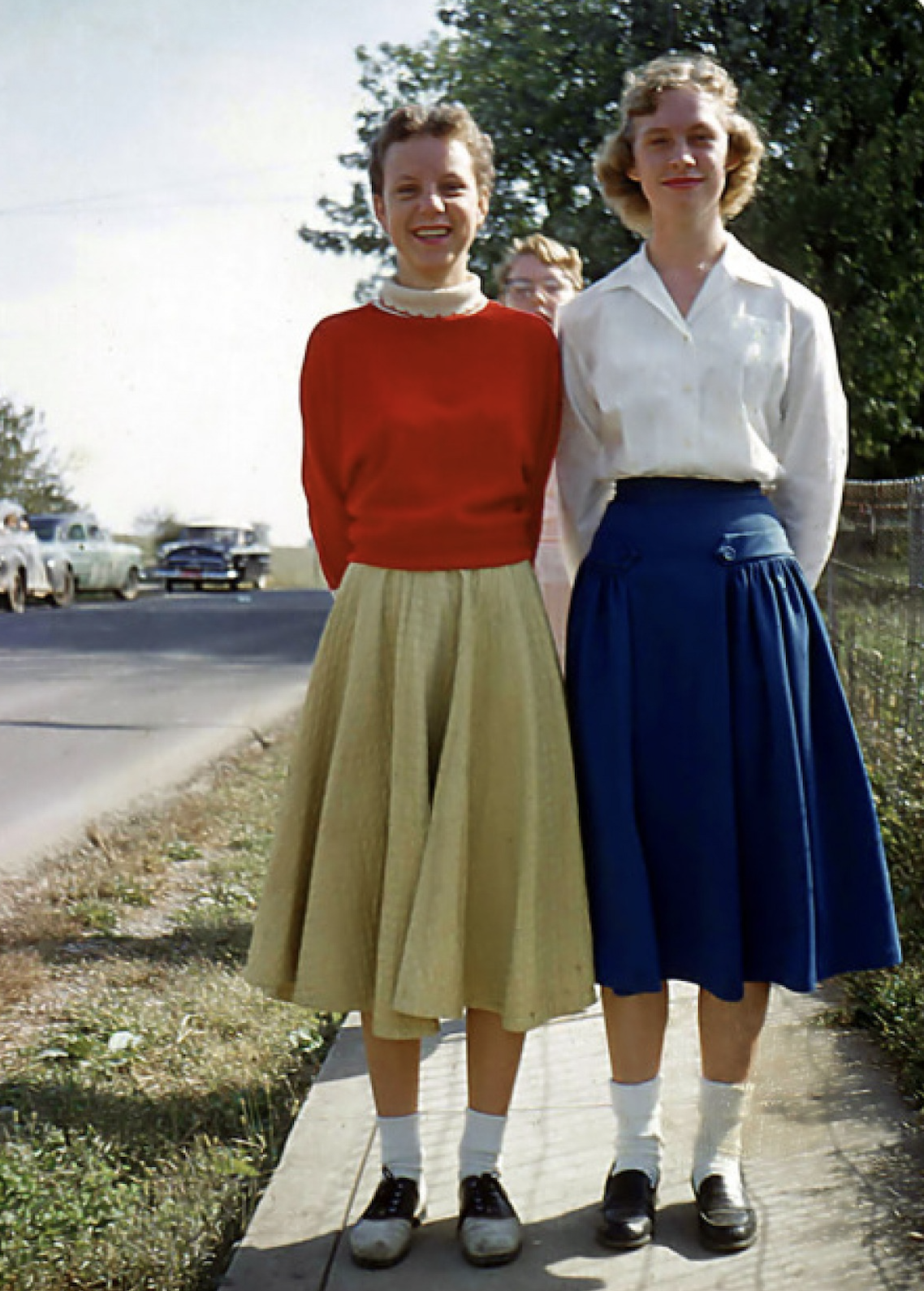 In every era people dress differently, and men, women, and children, dressed differently in the 50s-60s than today. Many women still didn’t wear pants out in public and wore dresses or skirts instead. In most schools, girls could not wear pants in school at all. On very cold days, they could wear pants under their skirts to school but then removed them and put them in their lockers. It wasn’t until the 1970s that trousers for women became fashionable and acceptable. Boys wore slacks with tuck in button front shirts to school. And when girls and boys got home from school, they changed into play clothes.
 For special occasions and always for church, everyone dressed up, which is probably where we got the term “Sunday Best.” It was considered respectful to God to dress in your best for church services. Women wore hats to church in those years, and often gloves—especially at Easter. Skirts generally were no shorter than just above the knee. Men wore neat suits to work in sales and in the professions and they often wore hats. However, men’s hats were removed indoors, especially in church.
 By the 1970s hats for men and women faded away in popularity except for baseball caps, which became somewhat of a staple for young men in less formal places and still are today. Bathing suits were more modest than today, and bikinis and shorter skirts for women didn’t kick in until the late 60s and 70s. About the only place you saw a picture of a bra or intimate underwear was in a Sears and Roebuck catalog. It wasn’t until the late 1980s that the first bra commercial aired on television, but with the model fully clothed and only holding up the undergarment. These days, walking by a Victoria’s Secret store reminds us that our society doesn’t mind showing men or women in intimate apparel or even unclothed on television or in movies.
 In the 50s and 60s, most families had one car. Even in 1960, only 15% of families had two cars. Children rode the school bus or walked to school if it was nearby. Many fathers, like mine, rode the city bus to work most days to leave the family car with their wives for errands if she didn’t also work, too. With the economy rising after World War II, and the dollar going further, many families could live on only one income then. Wives with small children were able to stay home and not work if desired, but by the late 1960s into the 1970s, dual-earner couples increased. Today, with our economy less strong, fewer mothers can stay home with their children in their younger years. Since the 1960s, too, more doors have opened to women in more fields, previously closed to them, and traditional concepts about the work roles appropriate for men and women have changed dramatically.
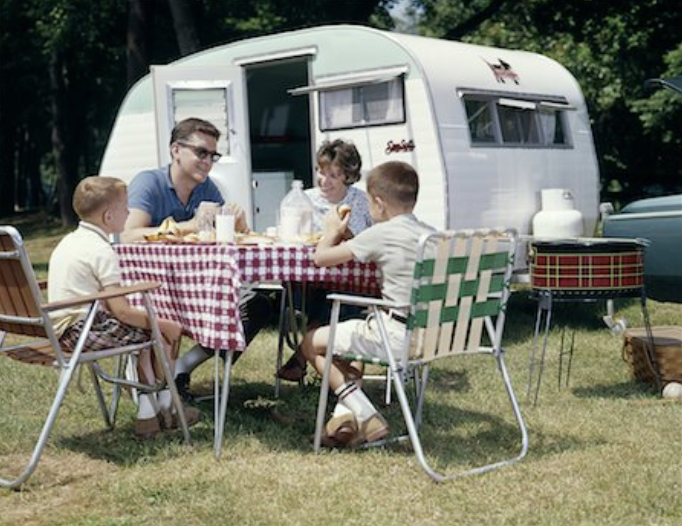 In the fifties and sixties, vacations were simpler for most families than today. Family togetherness was important after World War II and the country’s increasing prosperity allowed many families to take a summer vacation to a beach, resort, campground, or scenic site together or they traveled to visit family in another state to enjoy time with them. Wealthy people have always taken vacations since the earliest of times, but in the 50s-60s, working-class people began to enjoy a taste of travel and vacationing, too. In these years, children also began to enjoy summer opportunities to go to day camps, scout and church camps, and to participate in other away-from-home experiences like band and sports camps. Families also spent more times on weekends and holidays together at the lake, at public swimming pools, at the zoo or nearby parks. Children began to enjoy new pleasures they hadn’t known before, going to movies, bowling, skating, and taking paid lessons in sports, dance, tennis, swimming, piano, baton, or guitar. Not all families could enjoy or afford these treats but more did than before in the 50s-60s, and families lived modestly to save for and enjoy these pleasures.
 Children ran and played outdoors a great deal in the 1950s-1960s. Times were safer and children had more liberty in their neighborhoods, especially in rural and suburban ones. Kids rode their bikes or skateboards, played hopscotch, croquet, badminton, roller-skated, and enjoyed baseball or softball in the backyards or fields. They giggled with hula hoops, drew hopscotch boards on the street or driveway, climbed trees, played pretend cowboy games and outdoor games like red rover and kick-the-can, spread old quilts under the shade trees and played with toys, dolls, and games. Board games became more popular, too, as did puzzles. Teenagers played records and listened to the radio, went to school dances, and watched American Bandstand on television. However, even when the first TVs came into the homes in the 1950s and 1960s, families watched it in far more limited amounts than today. Kids played outdoors much more than today and used their imaginations to come up with all sorts of play activities and adventures.
 Eating out was not the norm in the 1950s and 1960s as it is today. There were fewer restaurants, and for the average family, eating out was considered a luxury only for special occasions. Families ate at home together for most all their meals, and the family meal time was a traditional time for sharing and spending time together. Most families ate home-cooked meals at dinner with a meat, vegetables or salad, bread or rolls, and a dessert. People ate mainly fresh, non-processed foods, their vegetables and fruits often from the family garden, a nearby farmer’s market, or the local grocery near their home. Very little junk food was found in the home then like we know it now. People lived healthier, eating better and being more active in their homes and out-of-doors than the bulk of our society today. Only 10% of adults were classified as obese during the 1950s and fewer children. Now over 40% of adults and nearly 20% of children are obese, and far more are overweight. In this area, our world has not improved in its habits and lifestyle.
 The moral culture was different in the 1950s and 1960s. This era was more conservative, less materialistic, more value-laden, and more caring. It was a time that linked right and wrong to Biblical values, although not all the cultural norms of the time were right. Some studies call the cultural time of the 50s-60s more “other-directed” than “Inner-directed.” Communities and families were tighter, more in touch. The era valued good morals, manners, a strong work ethic, patriotism, and faith more than our culture today, basing practices for government, school, and home around these values. That strong moral foundation and set of related values permeated all social institutions, from government to military, healthcare, church, and family. Today, studies show we have seen a significant decline in the value of virtues like honesty, kindness, and trustworthiness, plus a marked decline in respect for authority and parents, and less clear lines between good and bad, ethics and evil. These changes have also caused more societal conflict, unrest, anxiety, unhappiness and depression, and more violence.
 We have also seen a drop in educational scores since the 1950s-1960s and more problems with discipline in American schools. All research has shown that a reading society is a strong society, yet the value of reading and the number of people engaging in reading has declined significantly since the 50s and 60s. Americans are reading fewer books than in past and our national literacy rates are declining. Technology has contributed in part to this decline. Children and adults consistently look at their phones and other devices and are easily distracted by the immediate response of technology. Additionally, parents don’t read at home and model a love for reading as much as in past, and children are following in the same pathways they see modeled. This and other administrative and governmental problems are eroding the strength and effectiveness of our educational system and creating an increasing percentage of children who cannot read at basic levels. These changes have not been positive ones since the 50s-60s.
 Few people today can look around and not see that we have problems in our world. Of course, every culture and era has societal problems. Although we can all look back and see many progressive and positive changes in our world since the 50s and 60s, we can also look back and see many negative and detrimental changes in our society since that time, too. The question, of course, is whether we can rightly evaluate the areas where we’ve slipped away and turn around and make positive changes to correct the difficulties in our homes, families, educational and political systems, and in our own personal lives a well. Mark Twain once wrote: “We are chameleons, and our partialities and prejudices change places with an easy and blessed facility, and we are wonted to the change and happy in it” often to our detriment. People get settled in their ways, even in wrong ways, and they resist change. President Woodrow Wilson wrote, “If you want to make enemies, try to change something.” However, despite the resistance people inherently have to change, we can change and create a better version of ourselves and our world. If we will. Perhaps looking back can help us see where we missed the better path in some area or where we need to take a new and different path to a better future.
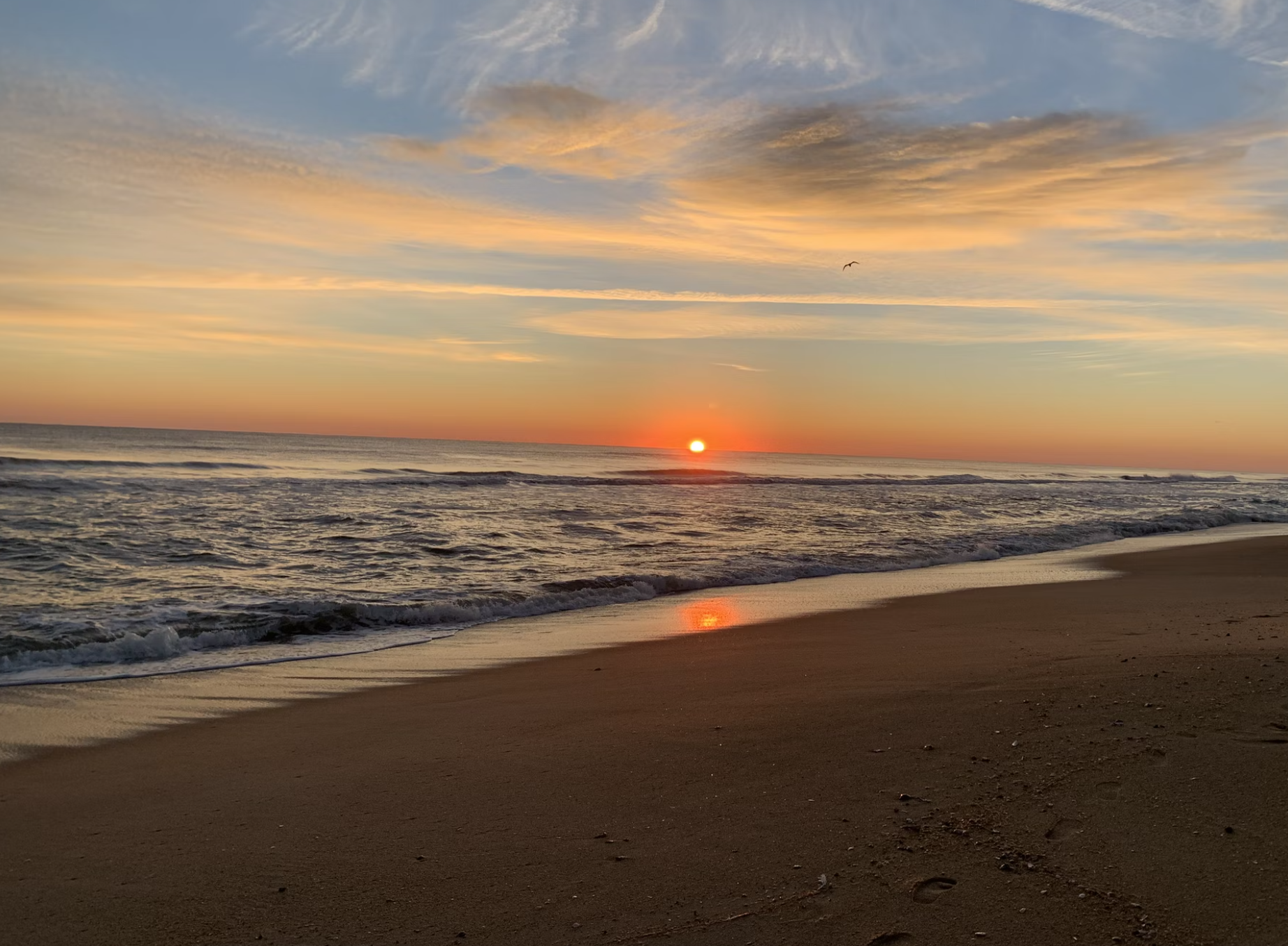 “Never doubt that a small group of thoughtful, committed citizens can change the world; indeed, it’s the only thing that ever has.” [ Margaret Mead}
 I’ve been working on a new novel, with a wildflower-herb farm and shop at its center, and as I have delved into research for the book, I’m been reminded again and again of the benefit of plants on our earth and of our frequent lack of gratitude for them. Plants include all the huge variety of trees, flowers, shrubs, herbs, mosses, grasses, and ferns that make up the plant world. Plants are extremely diverse and complex and there are millions of different species. All plants are made up of similar parts, like roots, stems, and leaves, but the most important thing about plants is that we cannot live on earth without them. Plants make oxygen, and all living things need it to breathe. Plants give us food, shade, and shelter, plus needful products like wood to build our homes, fuel, foods, and products we need and use in our world.
 I think we are less schooled today than our ancestors, who lived in a more agriculturally based society, about the aesthetic and health value of plants. As I was reading about early Appalachian culture, for the family farm and shop in my story, I read often of how children were taught from young ages, in the past, about the natural world all around them. They were taught the names of trees, shrubs and flowers, learning which ones they could eat safely, which were poisonous. On walks through the woods, they learned characteristics about mosses and ferns, wildflowers, trees, and plant roots. They also learned to cultivate and grow all types of plants and flowers. My mother grew up in a large farm family and my father’s family gardened, too. I look back and remember with fondness their constant stories about the land, its plants, the trees. They carried such knowledge of the natural world. They knew how to plant and garden, how to care for and respect the beauty around them. I know they passed that love and respect for nature along to me. Even in my busy life, focused around other pursuits more than around gardening, I still appreciate all I see of nature’s beauty and I want to see it protected and reverenced.
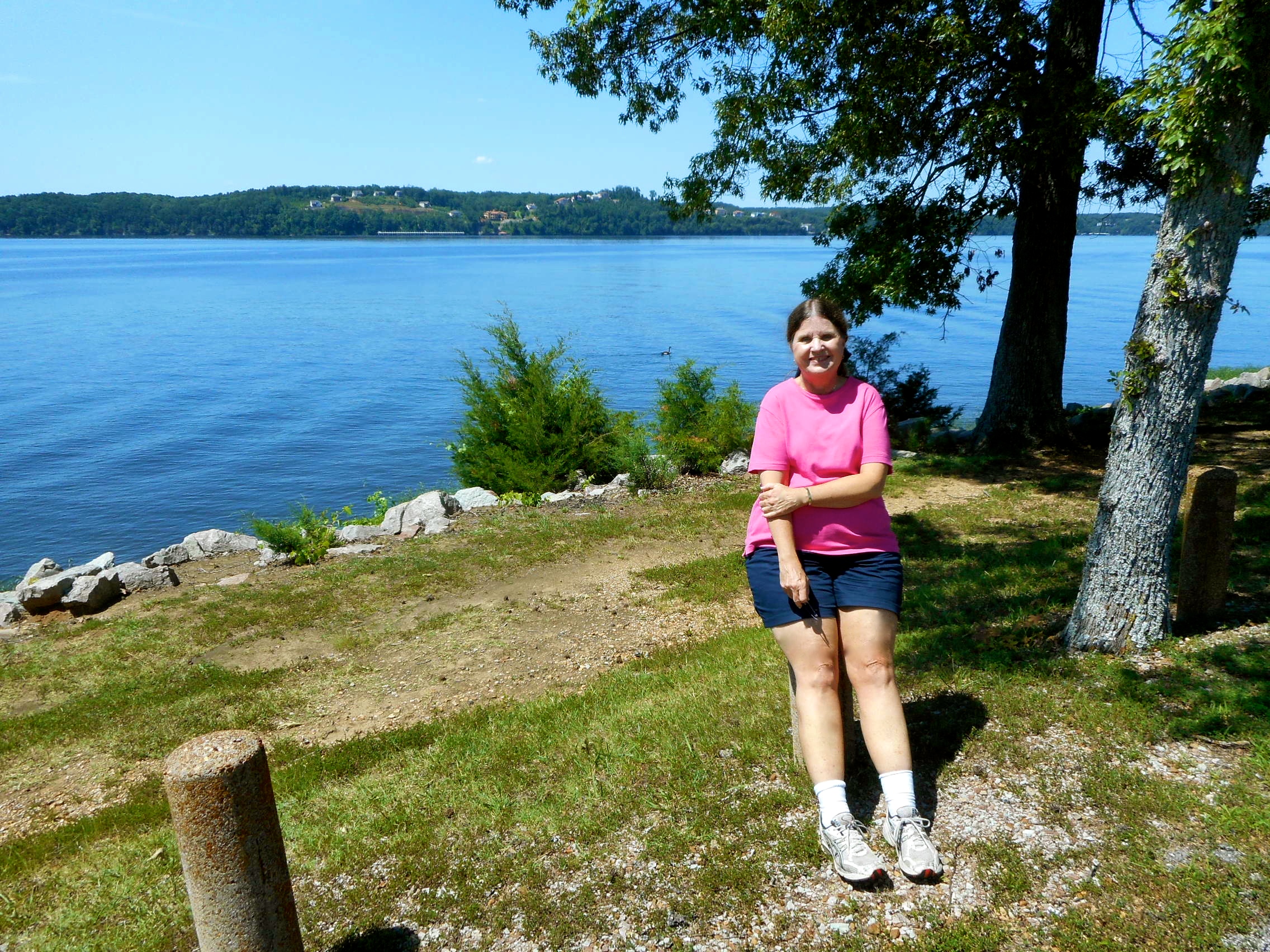 On my bookshelves are many books about landscape gardening, plants, flowers, and herbs. I pull them out often to get ideas for gardening and planting in my yard, for understandings about my indoor houseplants, and to identify the trees, plants, and flowers I see when hiking or visiting parks, gardens, and outdoor sites. You can learn a great deal about plants just from books, with their glorious illustrations, and from studying the plants around your neighborhood and area where you live. From books and talking to other gardeners, you can learn there are right and wrong ways to plan landscaping for your yard or property.
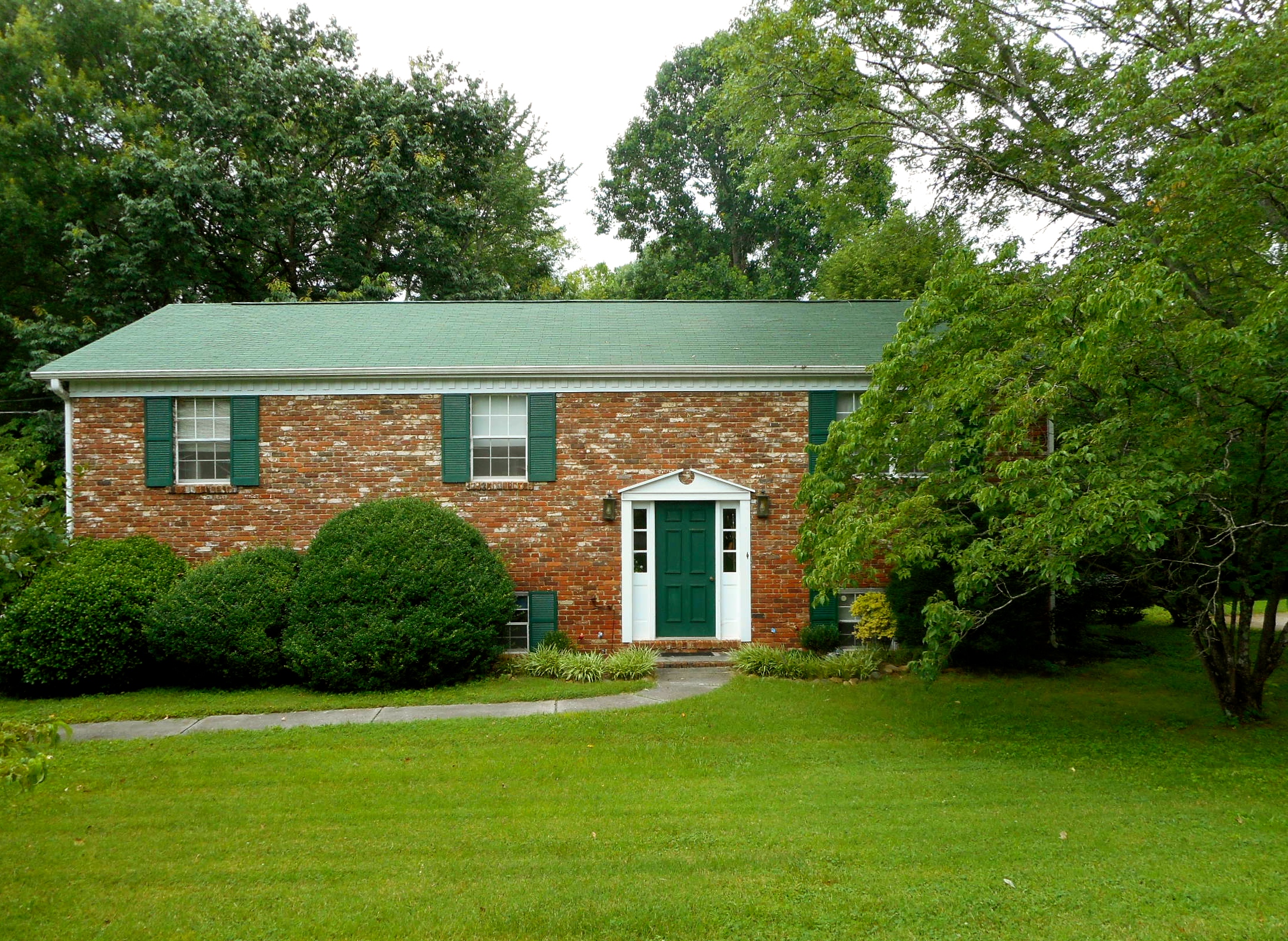 Trees are always a healthy addition to begin with. They provide shade and should be planted to “frame” the house in a pleasing manner. Trees should go around the edges of your site and are especially pleasing when arranged in uneven numbers. That rule is good for shrubs and flowers, too. Shrubs and flowers should fill in around a home’s foundations and around the edges of a landscape site. Taller shrubs and plants should be placed to the back of a landscaped flower bed with gradually decreasing sized plants next, ending with some low growing plants or groundcovers at the edges. Large flowering plants like hollyhocks, foxglove, or gladiolus grow best against a wall or fence where they don’t overpower smaller plants in front of them and where they can be staked if needed. Other taller flowers like clumps of coneflowers, daylilies, purple phlox, and black-eyed Susan need a place toward the back of flowerbeds, too, or a wide area to themselves where they can grow tall and spread without overpowering plants beside or in front of them either. The impact and success of every garden lies in its initial design. Every yard needs a nice balance of trees, foundational shrubs, and some beds of plants and flowers to look its best—and not too many in number, type, and color. Kind of like inside your house, a yard needs a plan and a color scheme to look its best. It just takes a little thought, research, and planning to create a pleasant yard or an appealing flowerbed
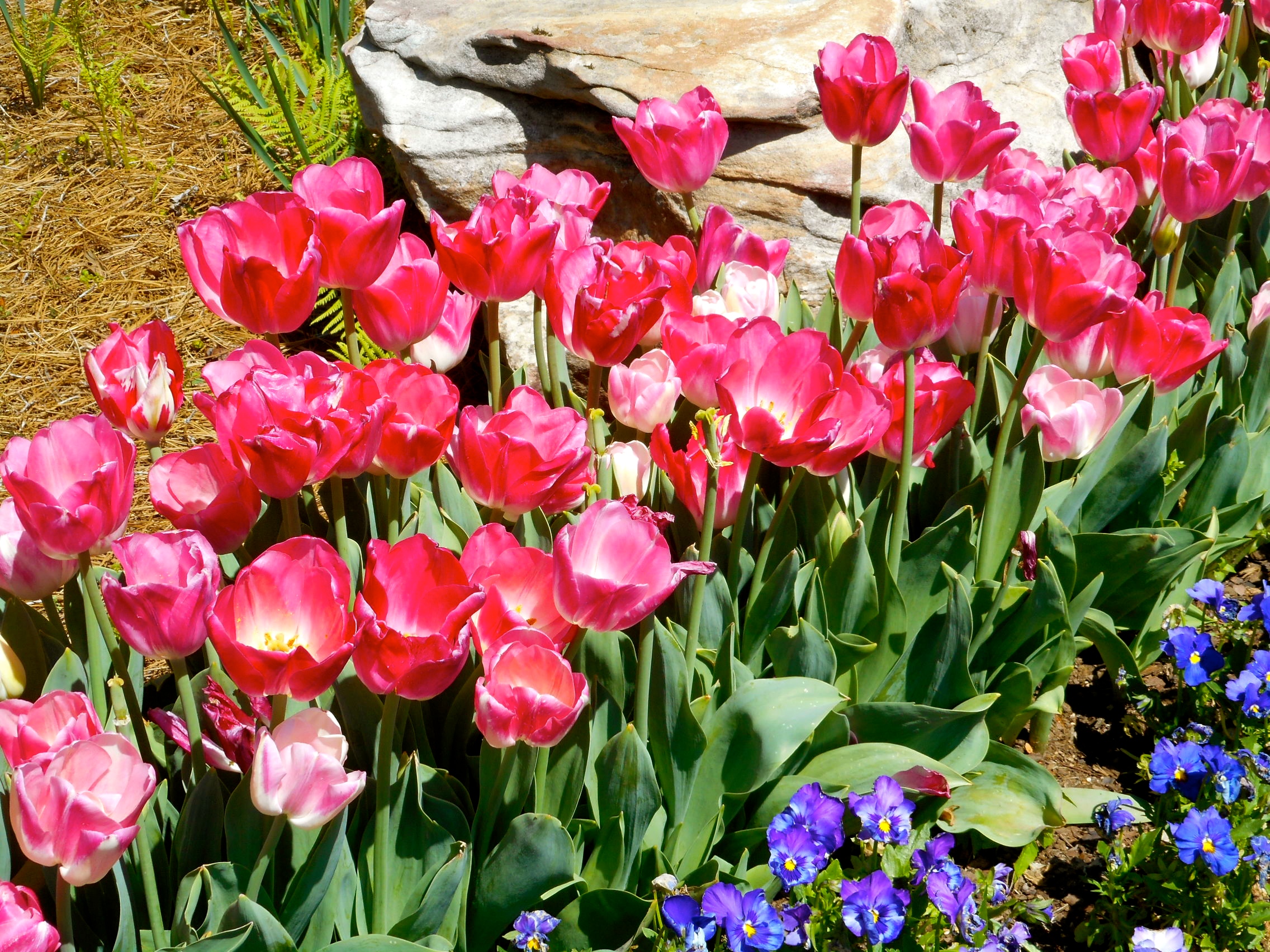 Unless you take gardening courses or read extensively, the best way to decide on the right tree, shrub, plant, and flower species for your yard is to walk around your neighborhood or in nearby neighborhoods or garden areas to see what’s growing well. Trees and plants filled this world long before we did, with the fittest surviving best among all the other species. Your own climate, soil, and weather conditions dictate what will grow best in your regional area, yard or garden, without excessive cultivation and struggle. Make it easy on yourself and plant the types of trees, shrubs, plants, and flowers you see growing well everywhere you go. In my book story, my characters and farm owners, shop employees, and landscapers will advise their clients in that way, so they won’t set them up for failure in the herbs, perennials, wildflowers, and other indoor or outdoor plants they choose.
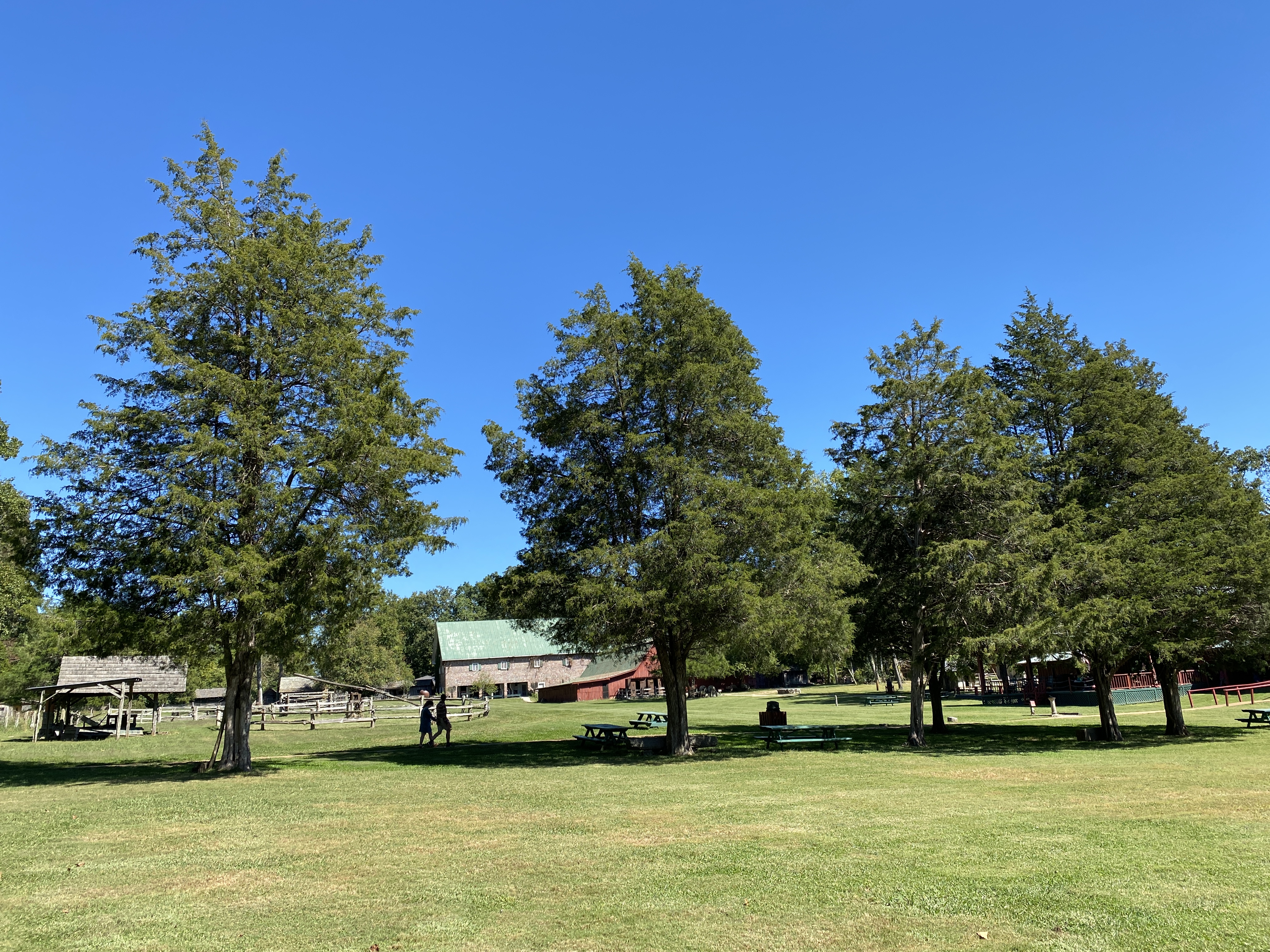 I’ve especially enjoyed reading about not only the healthy impact of plants on our world but about the healthy uses for plants, perennials, and herbs for cooking, making teas and herbal and wildflower products. As a quick garden reminder, perennial plants will come back and regrow year after year while annuals die off after temperatures get too cold and generally require you to plant new ones the following year. Trees are perennial plants, although I’m learning that some trees, like people, have longer lifespans than others. The same is true with many perennial flowers and sometimes a harsh, cold winter can harm even hardy perennials, shrubs, and flowering plants. Gardening is never one-hundred percent predictable, just like life.
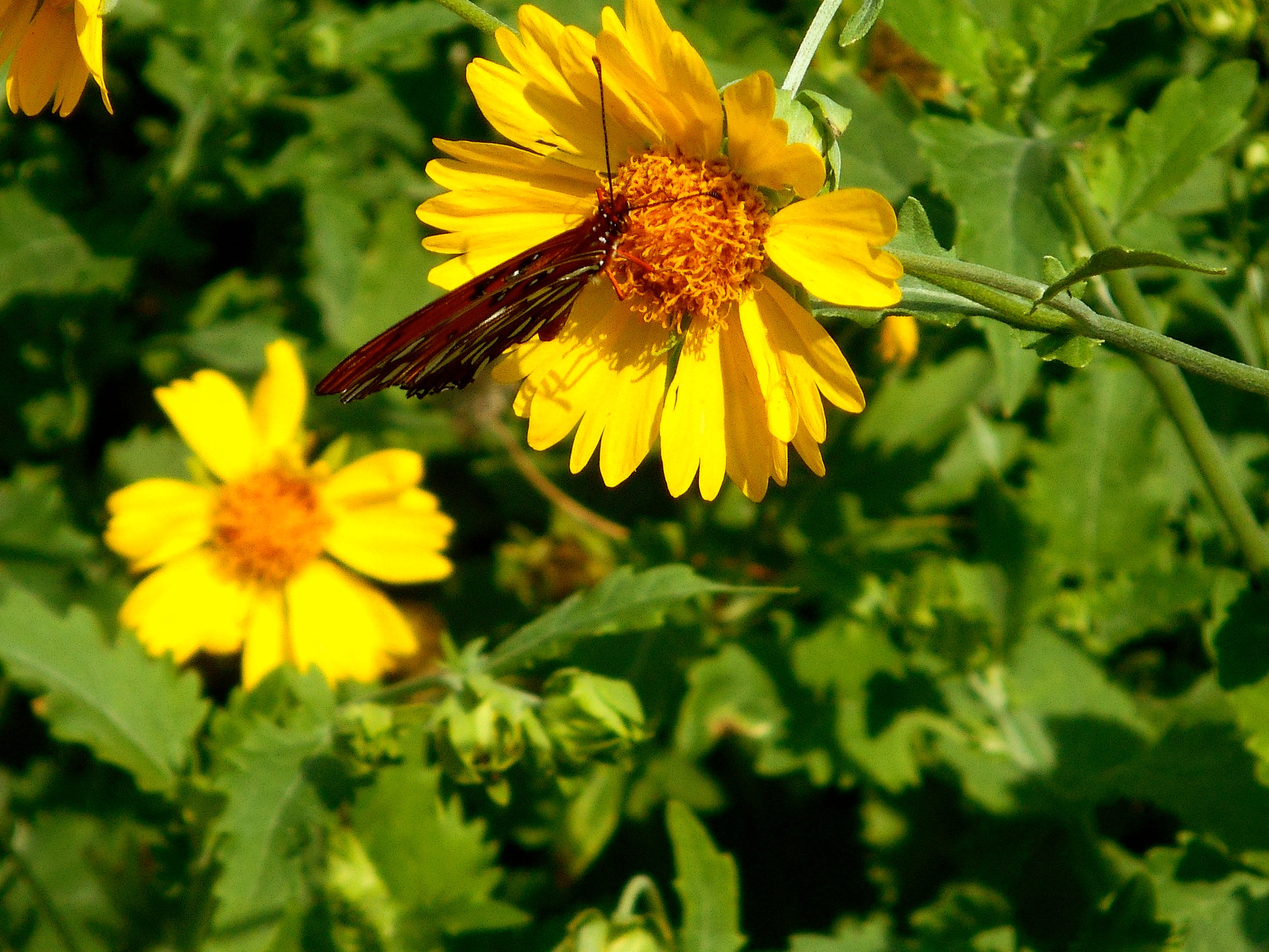 If you have space in your yard or garden, pollinators are a lovely option to consider. Native plants in pollinator gardens attract bees, birds, butterflies or other pollinators that carry the pollen between flowers causing fertilization, good fruits and viable seeds. This creates a healthier and more robust ecosystem. Unfortunately, worldwide there is evidence that pollinating bees, and animals have suffered from pesticides, invasive species, and environmental pollution so working to plant pollinators will help combat these losses. Some good pollinators to consider are: asters, black-eyed Susans, blanket flowers or gaillardias, ironweeds or vernonia, goldenrod, bee balm, orange milkweed, lavender, joe pye weed, red columbine, coreopsis or tickseed, coneflowers, wild purple geranium, pink swamp roses, sunflowers and many more. These native plants can also be used in making herbal products, oils, lotions, potpourri, wreaths, and soaps. Many are also edible, too, and good for baked goods. If you have a large space in your yard or on your property, you can create a pollinator garden of plants in big patches or clumps, planning a diversity of types so some bloom in spring, others in summer or fall. Many pollinators are herbaceous perennials and once established will return again and again. But please don’t use pesticides or chemicals on these plants.
 Herbs are especially easy to grow both inside and outdoors in the right location and climate. Actually, herbs are some of the easiest plants for beginners to grow. They can be grown in the garden in rows, in raised garden containers or in the house in a spot with plenty of sunshine. I enjoyed learning that herbs don’t mind being communal and that different herbs will grow happily in the same container, three to a 14-inch-wide container or five to an 18-inch container. I also liked the idea of planting a row of different herbs in a long window box containers. Once established, you can just pinch off leaves as needed for cooking or for making soaps or herbal products.
 Most herbs stay where you plant them without becoming overly invasive and spreading but be watchful for MINT. Whether SWEET MINT or PEPPERMINT – this herb has pretty leaves, is super easy to grow, great for its spearmint flavor and minty smell and good for beverages or iced tea, but be warned it will spread in the yard or garden. However, it can be happily grown in pots or containers by itself. I remember planting starts of mint that Mama gave me on the side of my house, and it spread like crazy, soon even coming up in the crack between the patio and sliding doors. I thought we’d never get rid of that mint. Lesson learned but the leaves were lovely in iced tea.
 While researching for my book, I’ve especially enjoyed reading about the easy teas you can make with herbs and flowers. I’ve also enjoyed learning how many herbs and flowers are edible. Edible flowers and herbs are always best when picked fresh out of your garden, and untreated with pesticides or chemicals. They are best when picked fresh in the morning and they will often keep in a plastic container in the refrigerator for days so you can get out a few to toss in a salad or special dish. Be sure you know the flowers that are safe to eat, however, as many are poisonous like foxgloves, oleander, and poppies. One edible flower you’re probably familiar with from childhood is Honeysuckle. You can enjoy the nectar or use the petals for a tea. Cornflowers have a spicy clove-like taste and hibiscus have a citrus-flavor in herbal teas and are a good addition to fruit salads. Wild violets and pansies make lovely teas, too, and can be used in salads or even jams and jellies. Many of the edible flowers I read about I was already familiar with for foods like dill for seasoning vegetables, elderberry for making wine or teas, basil for soups or pasta, or chives with their oniony flavor for salads or other dishes. It’s really fun to pick up books or to do some research on the internet to learn herbs, flowers, wildflowers, and perennials you can use in cooking, jams, jellies, salads, or sprinkle on foods for garnishes.
 Ingredients:
  Ingredients:
 Ingredients:
 “The Mother’s heart is the child’s schoolroom.” – Henry Ward Beecher
 As kittens, geese, or other animals learn and imprint from their mothers, we learn from the mothers who raise us. Our mothers, whether they realize it or not, are our teachers. They model the way we should live and think. They teach us what is important not only by their words but by their example. For most of us, our mother’s voice, words of love, encouragement, caution, and concerns, are ever in the background of our minds. A mother’s teaching, especially if it is good, strong, and true, can have a powerful impact on a life. George Washington said, “All I am I owe my mother. I attribute all my successes in life to the moral, intelligent and physical education I received from her.” Others have also written beautiful words about their mothers. John Wesley said: “My mother was the source from which I derived the guiding principles of life.” I doubt either of their mothers, caught up in the busyness of their days, the demands of childrearing and life, realized they were making such an impact on their sons, but the inescapable fact is: Mothers teach us and they make a difference in our lives.
 As little children we lean to and look up to our mothers, loving to hold our mother’s hand and to listen to her read to us, bringing her little bouquets of flowers from the yard, writing her love-notes, and sharing with her all the thoughts and happenings of our day. As we grow older and more independent, we naturally pull away, establishing our own identity, detaching, and seeing with time our mothers in a less idealistic way. Oddly, as we age, and I think especially after we lose our mothers, we look back and see them more idealistically again, realizing all they gave to us, all they gave up to raise us, all the good and worthwhile teachings they planted into our lives and nurtured. We acknowledge even more then how they shaped us, in part, to be what we are today. We are more ready to sing their praises and give them honor for it.
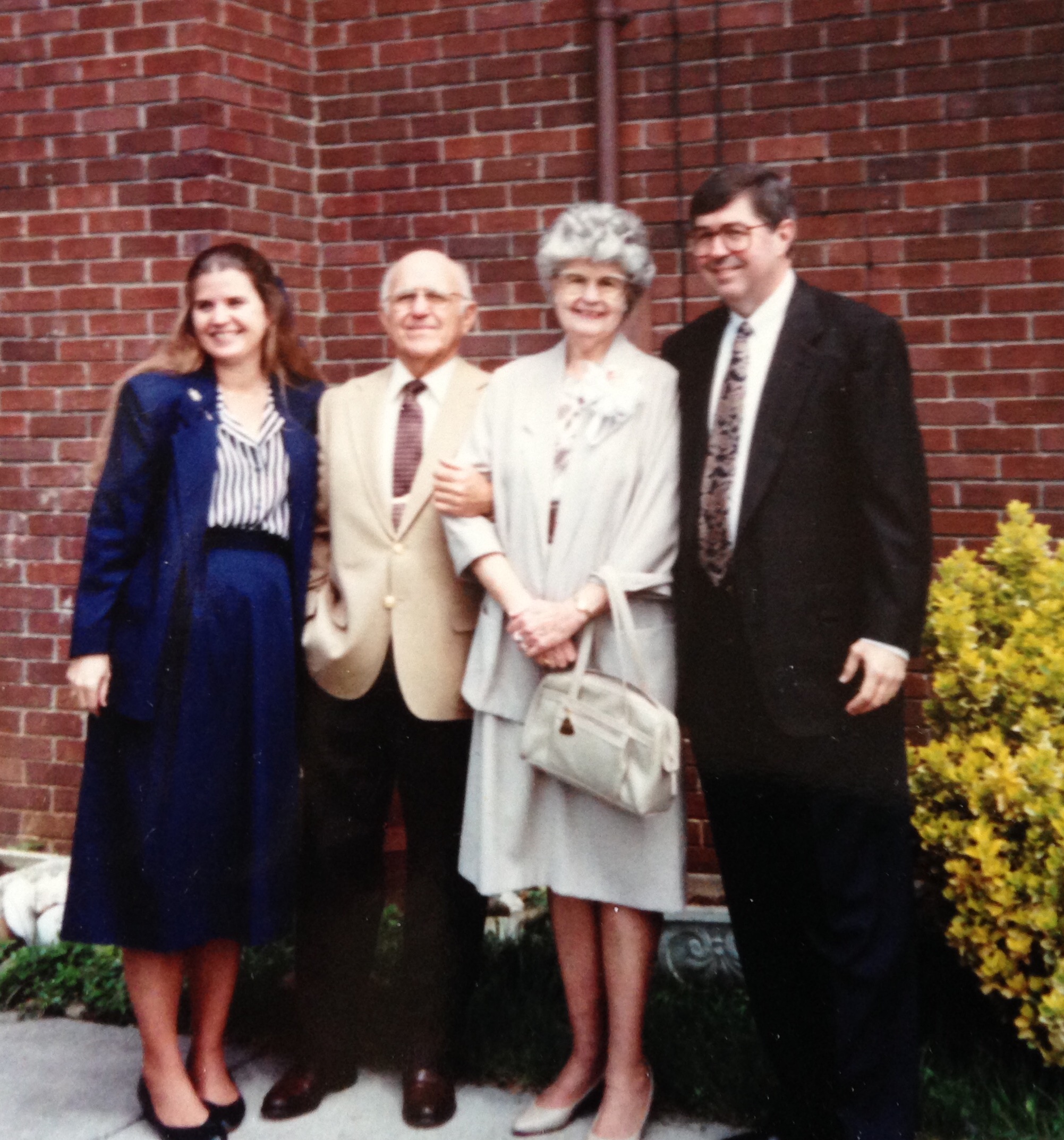 As I grew older, I thanked my mother on many occasions for the lessons she taught me, the love she gave freely, and for the good, virtuous, loving example of her life she ever modeled before me. It was often my mother who was there, standing beside me in the darkest times. Washington Irving wrote: “A mother is the truest friend we have, when trials heavy and sudden fall upon us; when adversity takes the place of prosperity.” I’m blessed to look back and remember my mother was always there for me in good times and bad, and was also my friend.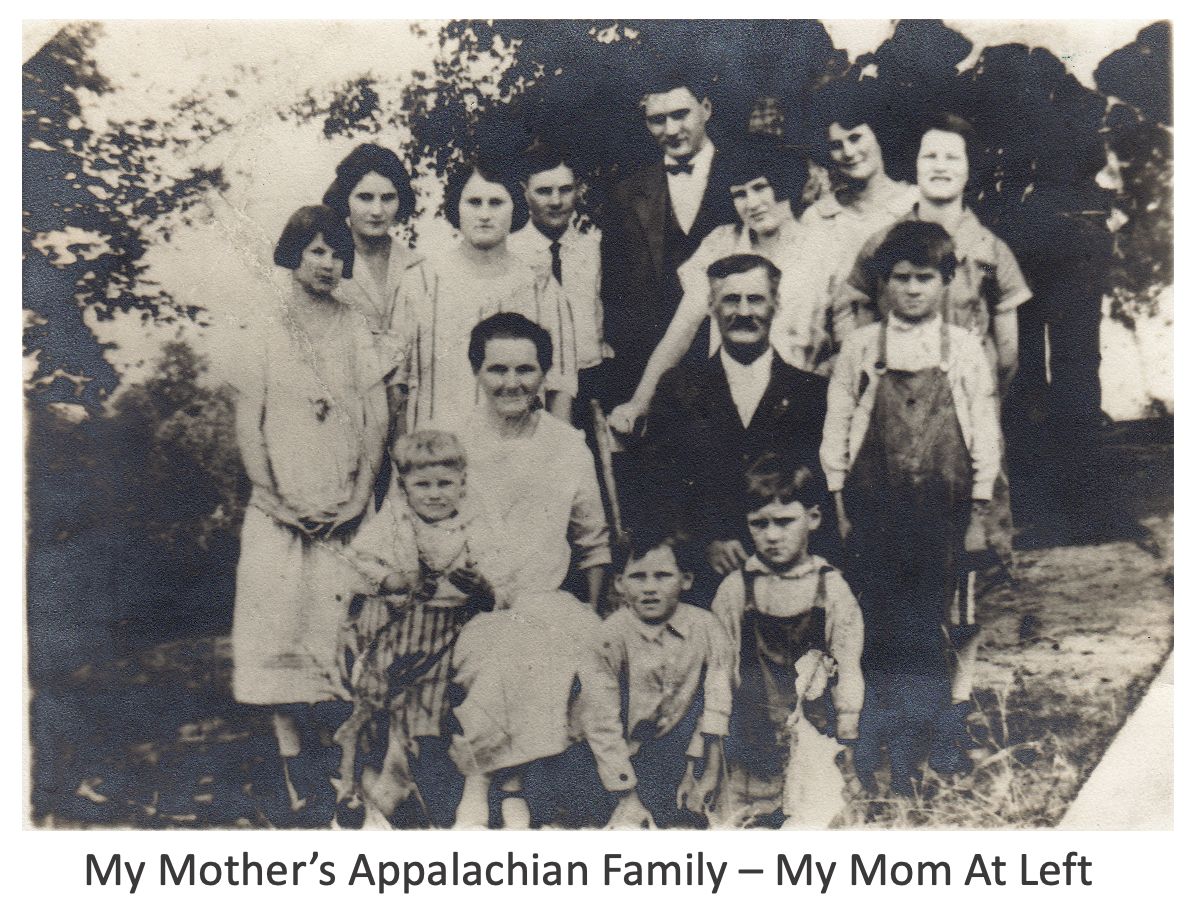




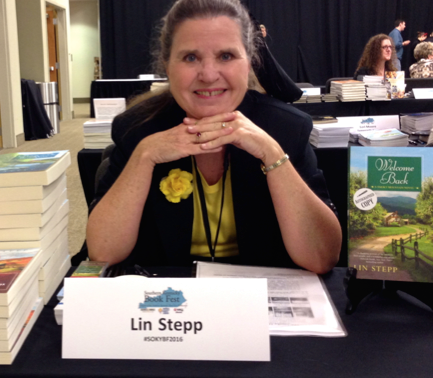
 Title: CELEBRATING THE STARS AND STRIPES IN BOOKS – by Dr. Lin Stepp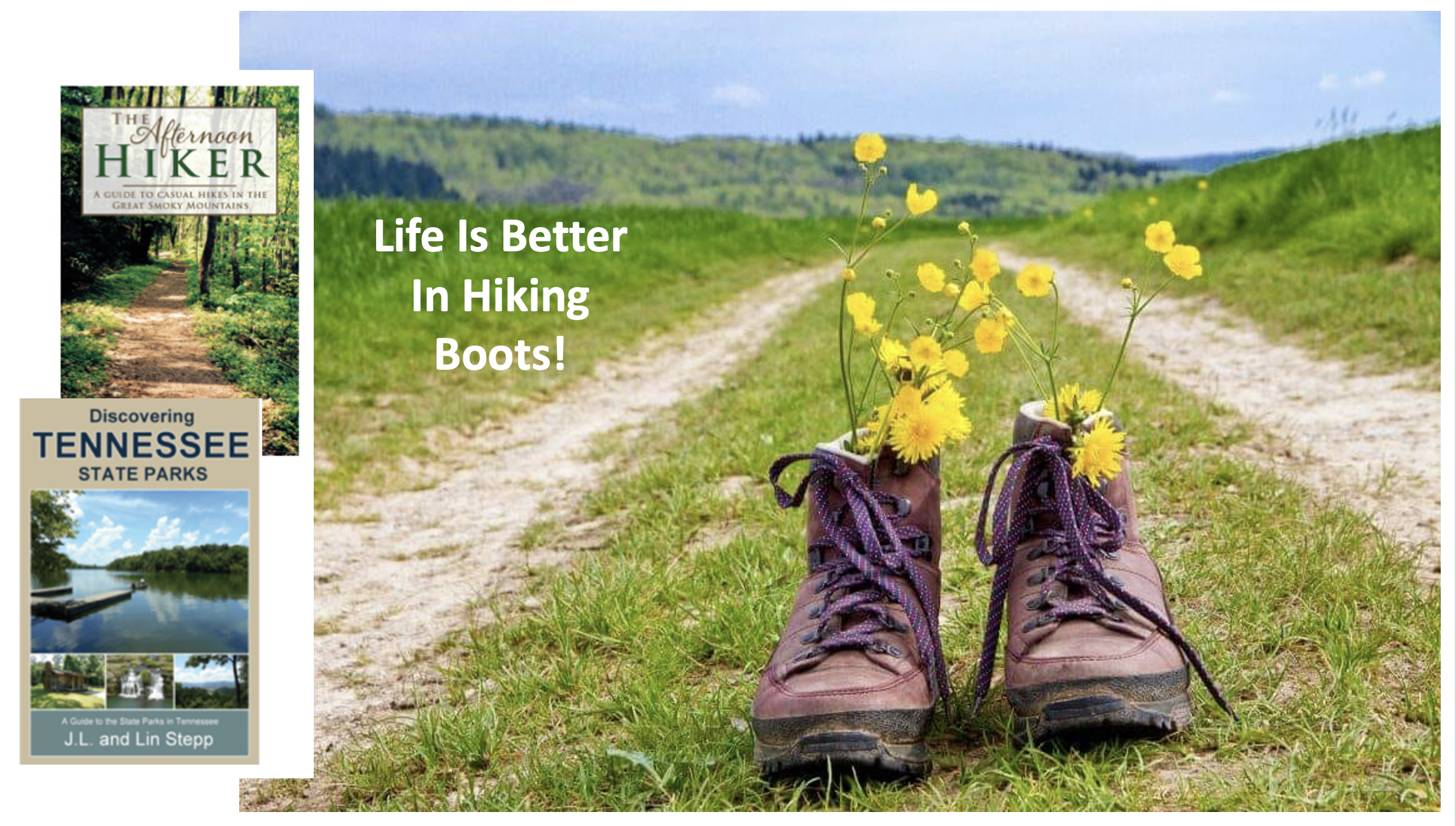
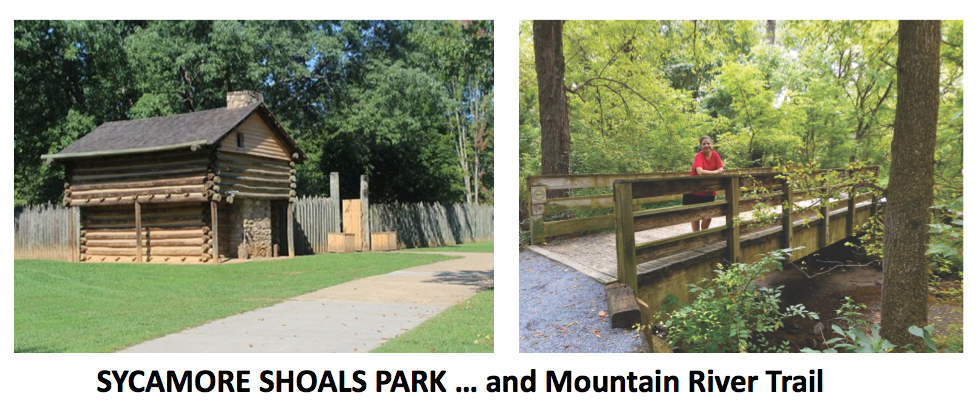
 We began to research and plan for that new book, around our jobs and my ongoing writing and book tour events for my novels, and in 2015 we finally began our travel trips to the parks. Over the next two years, we visited all 56 of Tennessee’s state parks. In researching and planning for the book, we decided to divide the book into Tennessee’s three natural regions, East, Middle, and West Tennessee. We began our visits at the far Eastern end of Tennessee at Warriors Path State Park, Sycamore Shoals State Historic Park, and David Crockett Birthplace, working our way gradually across the state on weekend travels until we reached Tennessee’s final parks on the Mississippi River like Meeman-Shelby Forrest State Park, Fort Pillow State Park, and Reelfoot Lake State Park, the last park on our journey.
 In writing our new guidebook later, we gave clear directions to each park, a description of all the things to do and see within the park, and we provided over 700 color photos throughout the book in illustration. We hiked multitudes of trails, visited historic sites and museums, explored battlefields and old forts, took historic tours, and learned more than we ever could imagine about the rich history and diversity of our state parks. Often, I wrote and added a “History Note” after a park description to further acquaint readers with aspects of how that park had formed and about its early settlers and historic significance. I often talked about Revolutionary and Civil War battles which had taken place at the parks, the lives of patriots, old homes, churches, and cemeteries within the parks, and about the early work of the Civilian Conservation Corps (CCC) in building many of the roads, trails, and structures in the parks.
 A surprise to us in nearly every park we visited was in learning that the U.S. flag was raised and lowered with honor and respect every day, often at the main visitor center or park office, but sometimes also over a historic fort or museum. We also saw old flags of the past honored in photos on walls of museums, and in historic buildings, with descriptions about their part in pivotal battles or in the lives of patriots. It was a rich lesson in the history of the United States, and of our home state of Tennessee, to visit these parks and to learn more than we expected to about our state and national heritage.
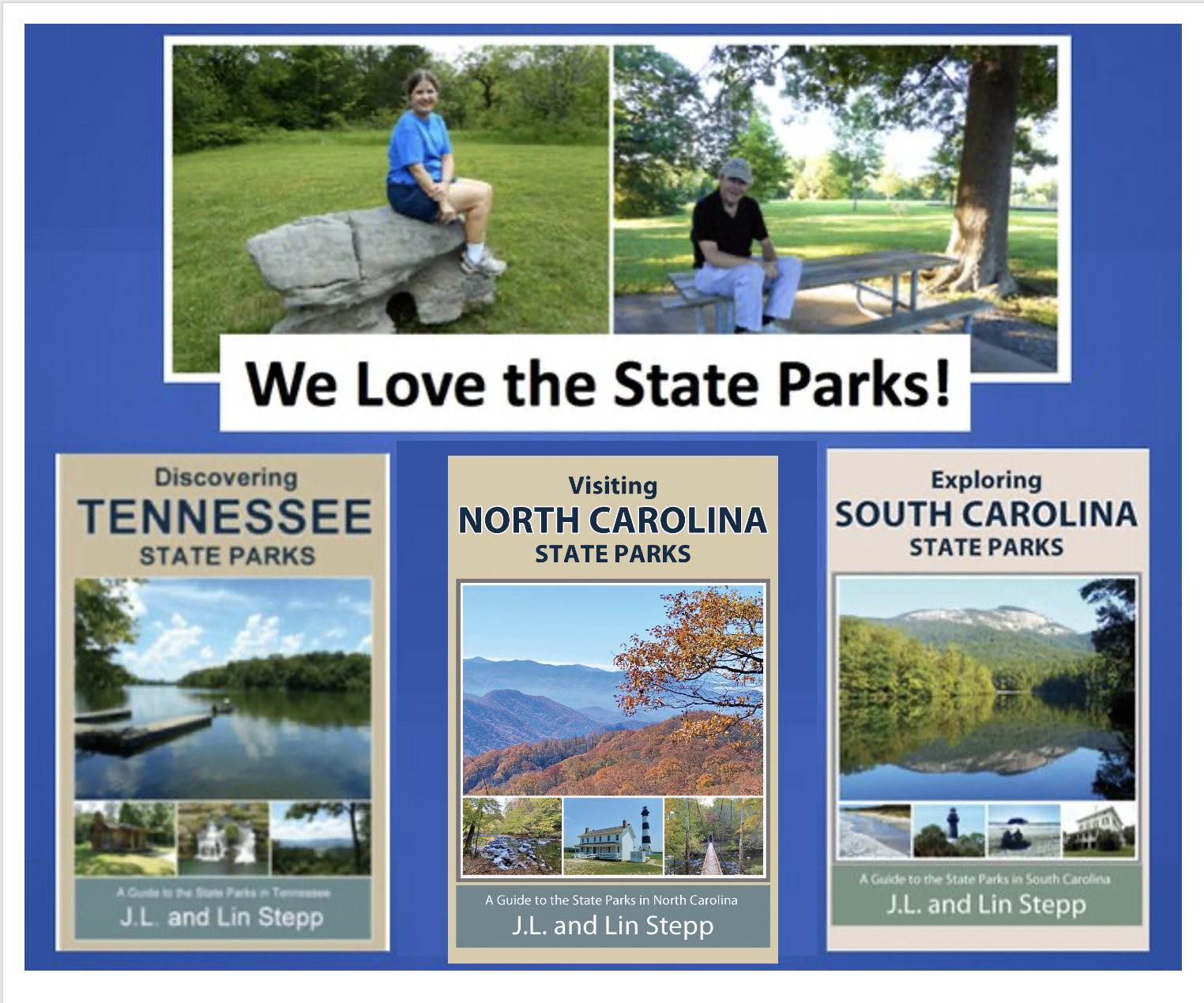
 After completing our park visits, the next year was spent getting the book completed for publication, and in the spring of 2018, DISCOVERING TENNESSEE STATE PARKS published. It was, and is, to the best of our knowledge, the only book about Tennessee’s state parks, detailing each in descriptions with photos. The guidebook hit several bestseller lists. It raced into the top 5 in Amazon’s East South Central US Travel Books category. Book Authority ranked it #4 in Best Tennessee Travel Guide Books of All Time, featured also on CNN, Forbes and Inc, and the book became a finalist in the Travel Guides and Essays category in American Book Fest’s 2019 national contest, with over 2000 publisher entries. It was fun seeing our adventures appeal to so many, and knowing we were providing a roadmap for others to learn more about Tennessee’s heritage, beauty, and unique history, in every park they read about.
 As mentioned earlier, I also write novels set around the Smoky Mountains of Tennessee and North Carolina, and others set at the South Carolina coast. As of today, I have twenty-three published novels, with two more publishing in March, and six guidebooks jointly written with my husband, and I give many talks at civic groups and organizations, like DAR groups, at libraries, book clubs, women’s conferences, and regional events. I mention this because when J.L. and I were in South Carolina in 2019 at a book signing at Barnes & Noble in Charleston, SC, the year after our Tennessee parks book published, the store’s Community Relations Manager (CRM) came out waving our TN parks guidebook. “We need one of these for South Carolina,” he said. “We got nothing, and people ask for books about our parks all the time. You guys need to write one of these for our state.” With pressure like this continuing, we decided to listen, and over the next two years, around our other ongoing work and events schedule, J.L. and I took week-long visits, when we could, to work on a new South Carolina state parks guidebook.
 South Carolina has less parks than Tennessee, and in South Carolina, many historic sites, military parks, and battlegrounds, which were governed under the state’s jurisdiction in Tennessee, were under the national park’s jurisdiction in South Carolina, so we decided to also include those parks in our guidebook. Many were also close to the state parks, as well, and we knew visitors would want to know about them and probably visit them, too. We ended up including a total of 55 state and national parks in this new guidebook, and we laid it out in format and design similarly to our published Tennessee guidebook.
 Over the next two years we shared many interesting trips exploring and enjoying the lovely parks all over the state of South Carolina. Similar to our previous guidebook, we organized our parks into four geographic regions, the Upstate, Midlands, Pee Dee, and Lowcountry. South Carolina’s history is older than Tennessee’s, so we enjoyed learning even more about earlier times in America through our parks’ visits, especially in visiting many Revolutionary War and Civil War sites. Again, as in Tennessee, we often ran into DAR markers and history notes and the joy of seeing our national flag flown in nearly every park we visited. Several historic sites of particular interest were Ninety-Six National Historic Site, Charles Pinckney National Historic Site, Colonial Dorchester, Rivers Bridge, Andrew Jackson State Park, Kings Mountain, along with coastal Fort Moultrie and Fort Sumter.
 Our new guidebook published in 2021 and it, too, has been a strong bestseller. As far as we know, there is no other current guidebook to all the parks in South Carolina, although, of course, different parks get mentioned or spotlighted in other books. We are so pleased that we have been able to bring our readers “armchair traveling” to the state parks to encourage them to visit them and to let them know more about the interesting places to see in each park. As in our first state parks guidebook, I wrote many “History Notes” after significant parks in South Carolina to teach readers more about the heritage and rich history of the parks.
 Our travels to visit parks, to bring them to life for our readers, involves a lot of planning and extensive travel. We create a detailed agenda before any week of visits, with our journey mapped out to travel in the most expedient way to the parks we plan to visit in an area. Despite the advent of GPS and other modern technology, J.L. and I always take printouts of park and state maps with us as we travel. Many parks are in remote areas where cellphones and other travel helps don’t work well, and we often find better routes to the parks than the ones recommended. Finding good places to stay in proximity to the parks we plan to visit is yet another challenge.
 On our return home, I write up the descriptions of our park visits for our book and introductory materials, like including a history at the beginning of each book about how the parks in the state developed. J.L. and I select the best photos to include, and then he creates and lays out each park page in InDesign. He also creates regional and alphabetical indexes for each book. Multiple edits follow, done both out of the publishing house and in. Our graphic designer creates the book covers, the state park maps included in each book, and other specialized pieces that make our books unique. It’s a long effort to get a book press ready, even after all the parks visits are completed. Yet, it is very rewarding to pass on the joy and learning—and rich history—of our visits to readers all over the U.S. and abroad.
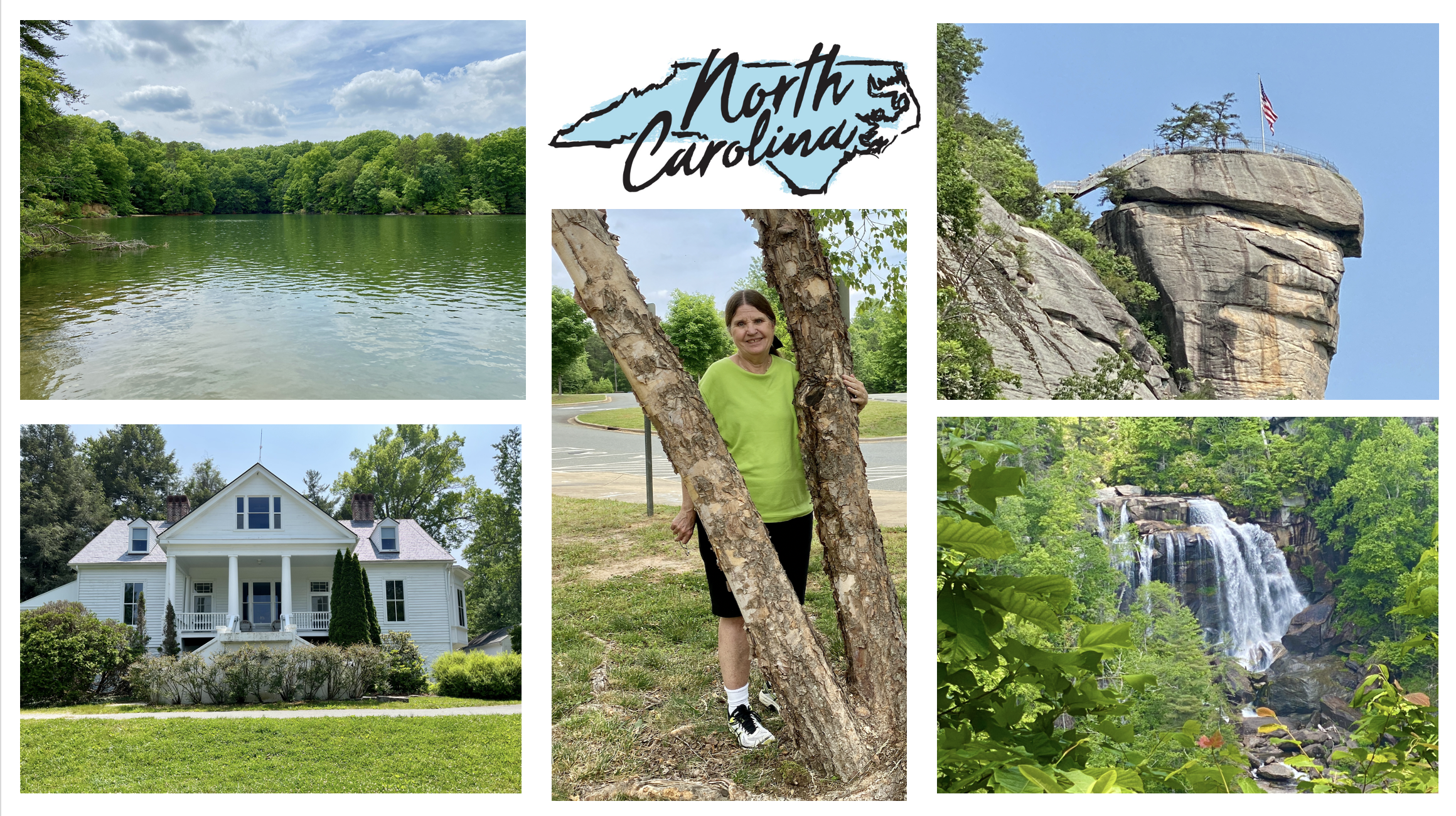
 This last year, in the summer of 2023, our third book VISITING NORTH CAROLINA STATE PARKS published after yet another two years of park visits. In the same year, two of my novels published, one a novel set in Cherokee, North Carolina, titled VISITING AYITA. Even in my novels I teach history to my readers. In this book I taught about the history of the Eastern Band of the Cherokee, about the town of Cherokee, its people, and heritage today. Others may be “history makers” in person but I love sharing history in books with my fans and readers. Every one of my Smoky Mountain books takes readers visiting to a new place around the mountains and I often get to include wonderful extras about the heritage of an area that I hope my readers will visit, like the rich history found in Dandridge, Tennessee, in EIGHT AT THE LAKE, a closer look at quiet Townsend on the quiet side of the Smokies in DOWN BY THE RIVER, colorful history about Gatlinburg and the Walker Sisters in my book DELIA’S PLACE, and interesting facts about Edisto, Charleston, Beaufort, and Port Royal in my Edisto and Lighthouse Sisters books set on the South Carolina coast.
 Books are the way I go home with people, and as a past professor, books are the way I teach others about the beauty and history of places I love. My books, set in contemporary times, take readers to new places and into the lives of new characters each time, teaching about love, patriotism, good morals, kindness, faith, and more. I cherish Dolly Parton’s words about my books: “Well, I’ve finally come across someone that believes in all the things that I do … love, family, faith, intrigue, mystery, loyalty, romance, and a great love for our beloved Smoky Mountains. Dr. Lin Stepp, I salute you.” I believe, in these times, where we often see morals and patriotism compromised, that we each need to work to remind others of the good in our country, the rich legacy left to us by our ancestors, the beauty in our world, and the way to live in it with caring and kindness in our everyday lives. This is what I strive to teach in my books, in my novels, and in our regional guidebooks.
 I celebrate the Stars and Stripes, the love of country, the beauty around us, the good and the honorable and true, still in our world, with every book I write. So much of what people write today does not encourage the type of strong character, strength of mind and heart, that helped to create our nation and that our forefathers fought and died for. My own relatives trekked down through the wilderness to settle this east Tennessee area. I have a rich legacy of patriots, teachers, preachers, and statesmen in my background. I hope I give them honor in all I do.
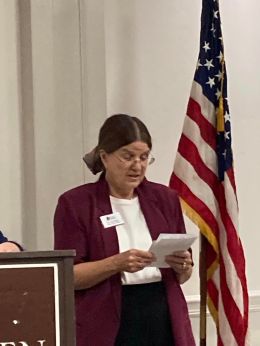 This month for my May Blog, I wanted to share the essay I submitted this winter for the National Society Daughters of the American Revolution annual DAR Women’s Issues contest. We were to write our essay in one of four categories: Career, Family, Mental Health, or Physical Health. I submitted my essay in the Careers category and I recently learned that my entry won 1st Place in Tennessee and 3rd Place in the Southeastern Divisional level. This lovely certificate, below, was given to our chapter regent this month at the State Conference in Nashville. I was unable to attend, since I was traveling in South Carolina on Book Tour, but I am pleased for the first place award for our chapter and for the third place recognition at the divisional level for the Tennessee State Society as well.
 I give the main credit for this nice honor to our Chapter Regent Brenda Wyatt who kept pushing me to take time to enter. I started to write the words “badgered me to enter” in humor. I was so busy with work at that time, in edits for one book and working on writing another, that it seemed hard to imagine I could find the time for anything else. But I stopped to plan and write the essay, with Brenda’s urging, on a careers subject dear to me – that it is never too late to follow the dreams in your heart. I titled it: “BE ALL YOU CAN BE, NO MATTER YOUR AGE.”
 I belong to a Knoxville, TN, Chapter called Andrew Bogle DAR and I have been in the DAR since college years before marriage. I have carried a lot of offices and roles over the years with DAR and I am currently our chapter’s Chaplain. Ours is a large, friendly, active group, and If you are interested in DAR and would like to learn more about joining our Andrew Bogle Chapter, please feel free to contact our Chapter Regent, Brenda Wyatt, at her email at:
  As an additional treat this month, I also received a Recognition Certificate of Award for “FIFTY YEARS OF SERVICE TO DAR.” Below is the brief DAR essay that I hope you will enjoy reading … and I also hope, like the title, that it will encourage you to be all you can be and to follow your dreams, no matter your age!
 Despite all the progress women have gained, in attaining equal rights to reach for higher achievement at any age, women are still marginalized and limited in reaching for their dreams by many factors—the culture, the expectations of others, gender and ageism stereotypes, and a deep, innate desire to please others that often holds women back from boldly pursuing their goals. Women, in particular, seem to want someone to give them permission to step out courageously to strive for new goals, and yet it is rare that the encouragement they yearn for will come.
 I speak for many groups and organizations, and I have encouraged the women and men in them, and the many college students I have taught as a professor, that it is never too late for them to pursue the dreams of their heart, no matter their age, the environment they grew up in, or if anyone is encouraging them or cheering them on. Ultimately, the courage to pursue any dream must come from within, and particularly in middle and older age, each of us will either step forward into growth every day or step back into safety and the comfortable, familiar habits and life patterns we are used to.
 Additionally, taking any debt to attend school, with my own children’s college years not far ahead, wasn’t an option, so I picked up a second job to pay for my college expenses. On a somewhat humorous note, the doctoral program I was entering, in Educational Leadership at the University of Tennessee (UT), would have been an impossibility for me at all as a young girl. Women were not allowed to even apply for that doctorate program then. When I started my studies, those old stigmas still circled among faculty in the college. One of the best encouragements I received in those years came from an unexpected source, from a UPS delivery man who said wisely: “Give it all you’ve got. It can never hurt to better yourself.”
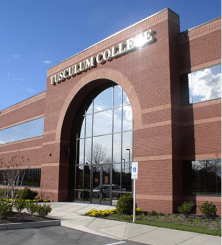 After graduation, I began teaching college courses at Tusculum College where I continued working and teaching for twenty years. I taught a wide variety of Psychology and Research courses in the college’s Adult Studies program, where I worked with young and older adults, most returning to school to get their education while working and raising families. It was a joy to learn, along with my students, and to encourage them in their lives as individuals. I still keep up with many of my old students and those years were filled with rich meaning.
 I was teaching then and also working part-time as the Educational Coordinator for Huntington Learning Center, traveling to visit schools in four counties. Many of our friends, of similar ages, were retiring, but we were moving into new ventures. In truth, most people didn’t have any confidence that we could write a book or ever get it published. Their comments were polite and somewhat condescending. Frankly, it was the type of encouragement I was used to, and I had learned well from experience in past, as C. S. Lewis wrote, that: “You are never too old to set a new goal or dream a new dream.”
 I suppose that seeded the idea, and one day driving back from speaking at a school in Vonore, Tennessee, the idea for a series of novels—just like I wanted to read—rolled into my thoughts. Long years ago, as a young girl, my dream had been to write books, so I thought: “Why not now?” I went home and began plotting out a series of novels I called The Smoky Mountain series, contemporary romances, with a dash of suspense, and a touch of inspiration, each one set in a new location around the Smoky Mountains.
 I faced a new learning curve in figuring out how to seek publication for a book. However, in 2008 I signed contract with a big regional publisher in Winston-Salem, North Carolina, to publish my books. To say that everyone who knew me was stunned would be an understatement. Next, I faced the huge, daunting new task of marketing and traveling to sign and speak about my books, while continuing to write more books and also work. After the publication of five novels and our hiking guide, I had to pursue a new publisher, as well, due to changes with my current one. I was blessed to sign with Kensington Publishing for my next titles, one of New York’s huge, national publishers. My books had been selling well before, but now I began to experience the blessings of hitting the New York Times, USA Today, Publishers Weekly, and Amazon Bestseller lists, and my titles began to publish internationally as well as in the United States.
 I thank God every day for enabling me to have enjoyed a whole new career in my middle years. It truly is never too late to be what you might have been in this life, if you will believe in yourself and your dreams and work hard to see them come to pass. One of my greatest joys now is in encouraging other men and women to pursue their dreams, and to overcome all the roadblocks and challenges along the way, to see their dreams become a reality, too.
 Lin Stepp