 May is a month rich with flowers. We love seeing them as we travel around the areas where we live, when we visit gardens, send or receive flowers, or simply walk outdoors, stopping to admire them. Flowers have also long held meaning… and in past, especially, people gave floral gifts to convey messages or meanings as well as simply to bring another person joy. The term “floriography”, meaning “The Language of Flowers” is the name for the system developed to convey messages and emotions about flowers. Especially in the Victorian era, flowers served as a way to express feelings. Most of us are familiar with birth flowers for every month of the year or we might have read legends about the names and meanings of certain flowers. A lot of Shakespeare’s work involved flower symbolism. However, for most of us, we know little about the meaning of the flowers we send, receive, or enjoy.
 While cleaning out book shelves, I discovered a little book called Kate Greenaway’s LANGUAGE OF FLOWERS. This small book, that used to be my mother’s, further inspired the idea for this blog. The book was an old one, published before copyright dates, and I loved leafing through the sweet illustrations created by English Victorian artist and writer Kate Greenaway (1846-1901). She gave the meanings of many flowers in the book, plus messages that flowers once conveyed, and I further researched to learn more. Below is a sampling of what I learned about some popular flowers you may be familiar with. The flowers I’ve chosen to use have mostly sweet meanings and messages … but many flowers can send a different message altogether, probably sent anonymously. Some plants and flowers could be sent to convey messages like: “I shall not survive you,” “Love is dangerous,” or “Justice shall be done to you.” Others could mean “You are cold,” “Your looks freeze me,” or “My love is hopeless.” Flowers often held both sweet positive meanings and negative, somewhat warning meanings. If you were the receiver of a bouquet of red and yellow chrysanthemums with no recipient name attached it could mean “I love you “ for the red” or “Slighted love” for the yellow!
Two common flowers we love to give and receive for gifts are roses and daffodils.
ROSES are most commonly associated with true love, devotion, and passion, especially red roses. They are the quintessential flower of romance. Their message is: “I Love You.” Twelve red roses were said to represent the “Perfect Expression of Love” which is probably why that number is often given. Roses of other colors have different meanings. For example, Yellow Roses are given for friendship and caring, Pink for gratitude or admiration, Orange for fascination, Purple for sincerity and even infatuation. It is doubtful the person you give roses to will know all the different meanings of the color of a rose you select… but they will always see clearly your caring for them. … DAFFODILS, blooming out in the early spring speak of rebirth and new beginnings. They are often sent to represent hope in a time of adversity or to express respect or regard. They are a “happy” flower and meant to bring pleasure and represent joy. They are also the birth flower of March, making them appropriate for March birthday giving.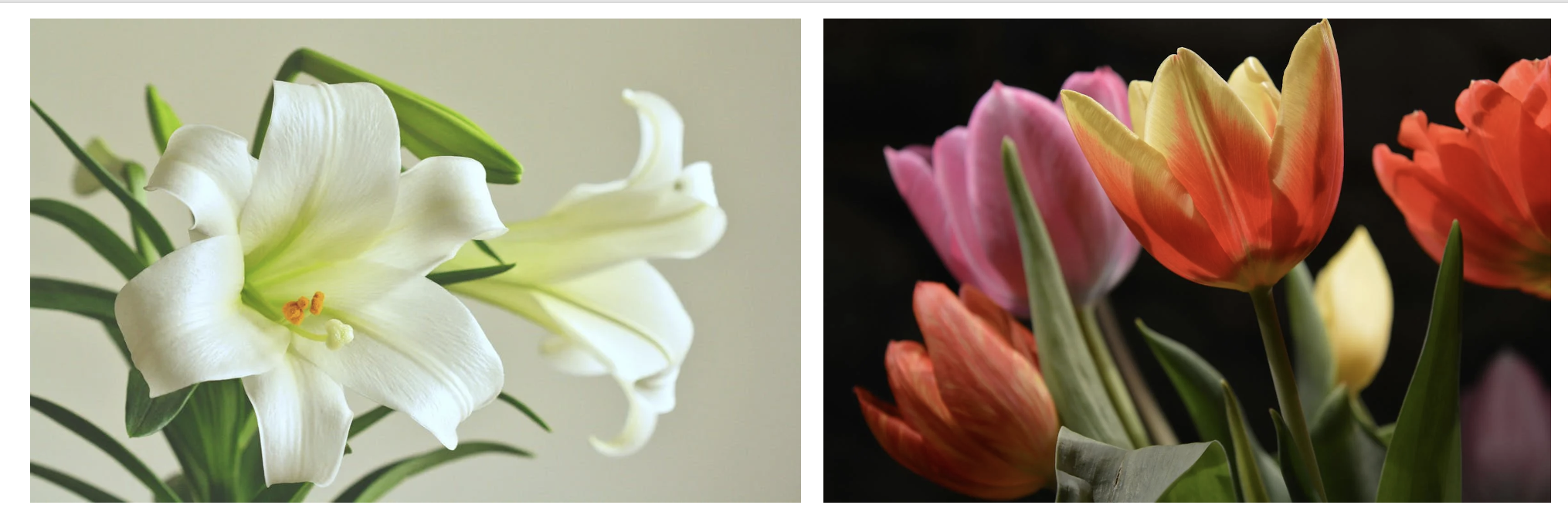
LILIES symbolize love, virtue, sweetness, purity, renewal and rebirth. There are over 100 different species of Lilies and they have various symbolic meanings. To Christians the white lily has always been associated with Easter and the birth of Jesus. You might give an orange lily to show respect and honor to someone you care for, while the red lily, a more passionate and vibrant color, speaks of passion and romance. Purple lilies can show pride in someone’s accomplishment while a pink lily is perfect to show admiration for a special occasion …. TULIPS stand for elegance and perfect love, and… a red tulip is a declaration of love. Yellow tulips are more fun in message and can tell someone they’ve brought joy and happiness to your life, just as white tulips can represent honor and respect over a lost loved one. Tulips are beloved all around the world and there are tulip festivals in many countries. Because they can represent the journey our loved ones take to the afterlife they are often found in cemeteries and in flower cremation urns.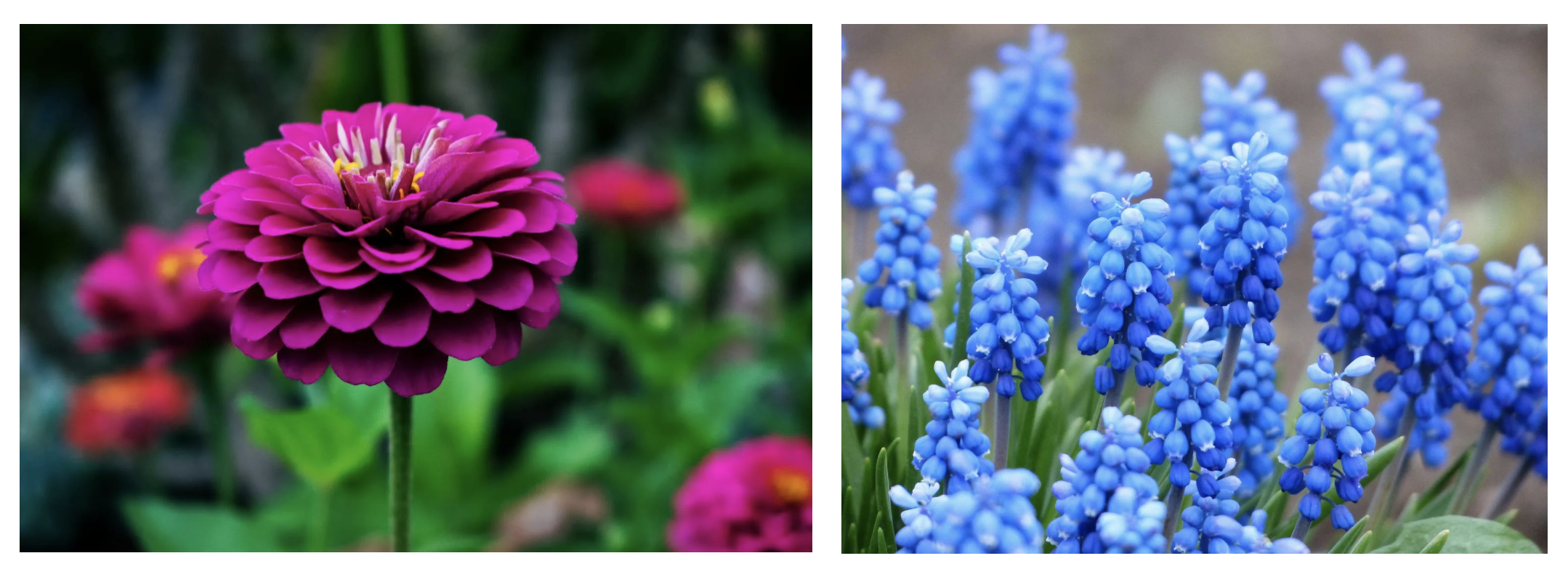
ZINNIAS, a hardy, bright and showy flower, have many meanings. They can convey the message: “Thinking of You” and be a sign of friendship and affection. Most all zinnia colors have variations of these messages of remembrance and friendship. For example, yellow zinnias mean: “I’m thinking of you every day.” … HYACINTHS don’t always symbolize sweetness of thought, like other flowers. They can convey jealousy or regret, and even came to be associated with death and bad luck in Victorian times. But they also stand for constancy and sincerity and can send the message: “I am sorry, forgive me.” Blue or “grape hyacinths,” like the ones pictured above, convey sincerity, beauty, and heartfelt emotions. 
DOGWOOD blooms, arriving near Easter, represent rebirth, purity, and promise. In the Victorian era they represented reliability and durability, strength or resilience. They could also convey a message of regret for a situation or a sign of affection to someone they think may not reciprocate it. If a bachelor sent a dogwood flower and it was returned, it confirmed his feelings were not reciprocated. If the lady kept it, it showed she was interested! … ANEMONES stand for love and anticipation of a growing relationship. They could often stand for protection again evil and ill wishes, linked back to old legends. Their links back to fairies also speak of fragility, innocence, sincerity, and protection. Anemones are a happy, bright charming flower in appearance … and often that happy message is meant when they are sent.
MORNING GLORIES, like many other flowers, represent affection, love, and gratitude. They caution to cherish and appreciate the present and to keep in mind the fleeting nature of life. The flower is also associated with happiness, peace, and good luck. Because they open at dawn, they are seen, too, as a representation of new beginnings and the start of a new chapter in life. … IRIS flowers, so loved by many for its elegant colors and shape, symbolizes faith, courage, valor, hope, and wisdom. By color, purple iris reflect wisdom, strength, and courage – nice for someone who has completed an accomplishment. White irises symbolize innocence and purity and are perfect for baby gifts and wedding flowers. Pinks speak more of love and friendship, yellow of love, happiness, and joy, perfect for happy occasions. Each color has a different meaning and a black iris sends a message of mystery and even rebellion.
CARNATIONS symbolize devotion and love and make a lovely gift for Mother’s Day, anniversaries, or other special occasions. Men often wear carnations in their suit button holes for weddings and you will frequently see them in bridal bouquets. The various colors of carnations have different meanings, the white, pink, and red all good… but the yellow can stand for disappointment and rejection and the purple capriciousness. … DAISIES are happy, cheerful flowers, often with that meaning. In the Victorian Era, they symbolized loyalty and an ability to keep secrets. April’s birth month flower, the daisy symbolizes childhood, innocence, new beginnings, and joy. iIt’s hard not to smile when you see a bunch of daisies any time. A friendly flower, their message might read: “I think of you and share your sentiments.” Always a good choice to brighten a friend’s day.
PANSIES are a favorite of mine, full of happy childhood memories, and they are the birth flower of February. Pansies stand for pleasant thoughts, love, remembrance, free-thinking, and affection. The term Pansy comes from the French word “pensée” or thought. They are lovely to send to someone you think of as a thoughtful and affectionate person. They can stand for secret love, unrequited love, and even secret affairs. Pansies could say: “I have loving thoughts of you” or even “I am feeling amorous toward you!” … DAHLIAS stand for inner strength, commitment, and positive change. They come in many colors and over 50,000 varieties and are sought-after flowers in the summertime. They symbolize good taste, elegance, creativity, positivity, and growth. They make a good gift for someone going through a difficult time or starting on a new career or chapter in their life. Dahlias were often give as symbols of devotion and affection and all the colors have positive meanings except for the blacks that symbolize sadness and betrayal.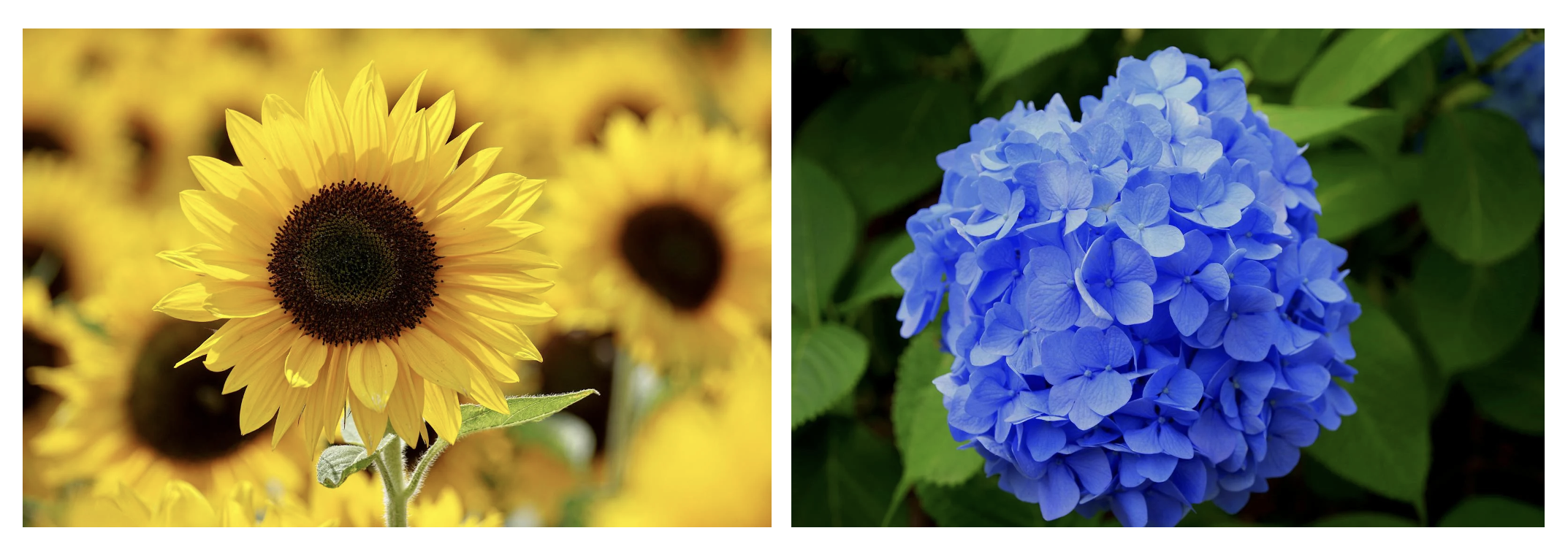
SUNFLOWERS are big yellow, happy flowers you can’t help but notice. They stand for adoration, and pure and lofty thoughts. They symbolize a long life and lasting happiness, as well as good fortune and positive opportunities. Everyone loves the sunflower. Bright and cheery they brighten up a room and brighten the life of any who receive them. They turn toward the sun and the light, giving them a spiritual meaning, too. Send them to lift anyone’s spirits. … HYDRANGEA signify heartfelt emotion and gratitude. They are beautiful showy flowers but in past have often had a negative association, symbolizing arrogance, boastfulness, and vanity and sent to someone to say: “You are heartless.” It’s hard to imagine any flower so glorious could have such a negative meaning but the color chosen can soften the message. The blues and pinks generally convey more positive messages than the white or purple blooms, but meanings change from culture to culture. Luckily for all those who love to give and receive Hydrangea, few people even know their meanings at all!
CAMELLIAS with their delicate, sweet-smelling blossoms are rich in meaning and symbolism. To convey your undying love or to just let a friend know you care, camellias are a lovely choice to give or send. Camellias stand for admiration, perfection, love, and longing. One old message they meant was: “You’re a flame in my heart.” Reds convey the most passion, yellows friendship, pinks longing and sweet thoughts, whites admiration, respect and purity. Camellias are one of the most romantic flowers around so it is hard to go wrong with them! … VIOLETS are those sweet little flowers we see in the woodlands or receive in a little bouquet we can hold in our hand. Flower sellers in England faithfully sold them in nosegays and they represented faithfulness, watchfulness, modesty, and everlasting love. Their sweet fragrance made them especially popular and they were a symbol of fidelity and humility as well as commitment and love. If you sent a bouquet of violets it meant that you would remain faithful, loving, and loyal no matter the circumstances.
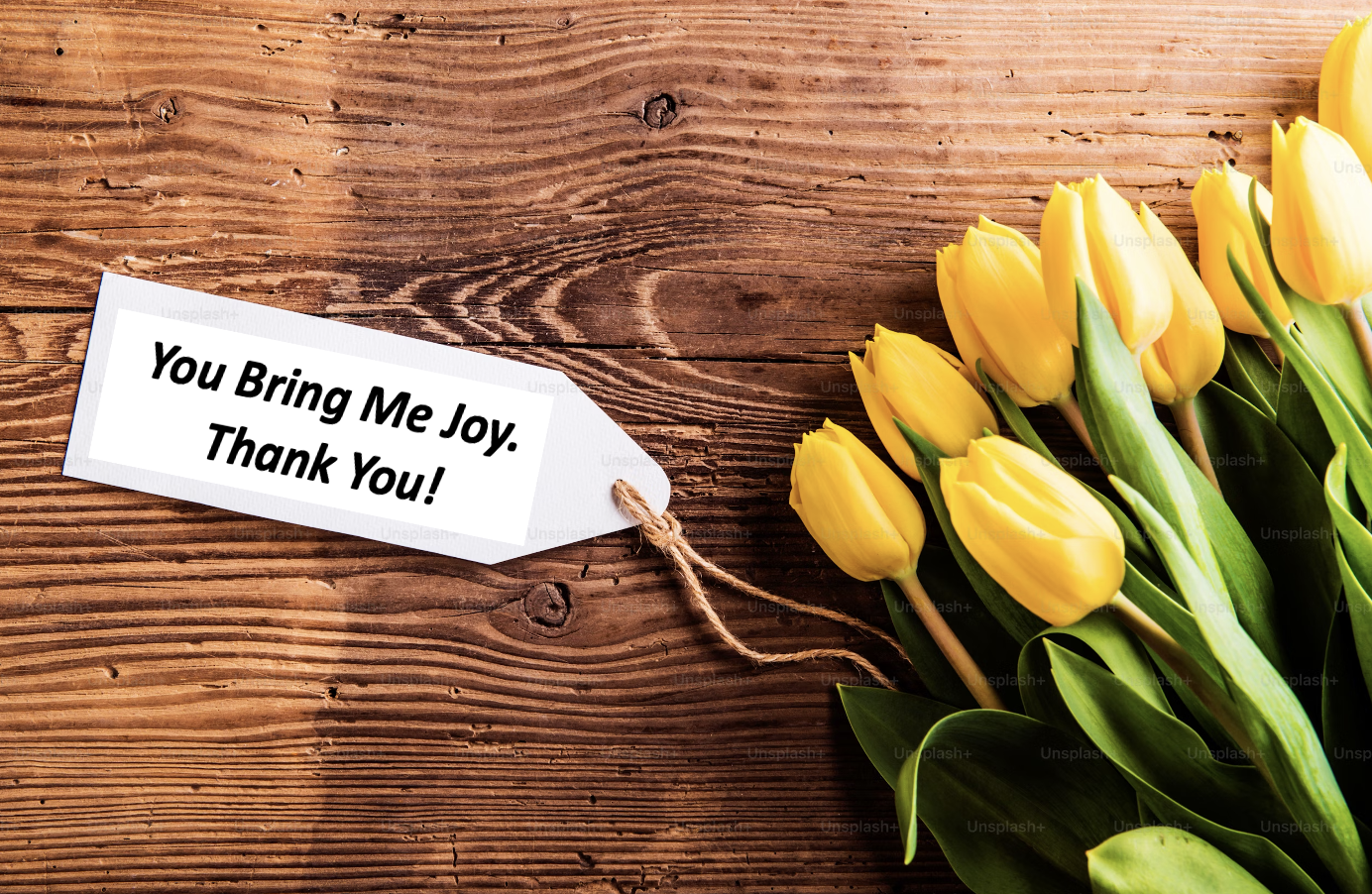 I hope you had fun reading about some of the different meanings of flowers. It was such an interesting adventure to look into the multitude of meanings that flowers can have. In past, I have always simply chosen and sent the ones in season I liked to others for special occasions, birthdays or funerals, considering primarily what flowers seemed most appropriate for a particular holiday or occasion, like Poinsettias for Christmas or Lilies for Easter. Now I suppose I can attach little meaning cards with my floral notes, like: “These yellow tulips mean you’ve brought a lot of happiness to my life.” Maybe you’ll recall one of these “floriography” flower meaning thoughts the next time you take or send someone some flowers.
See you in June with another blog post … LIN
Note: All photos my own, from royalty free sites, or used only as a part of my author repurposed storyboards shown only for educational and illustrative purposes, acc to the Fair Use Copyright law, Section 107 of the Copyright Act.
_________________________________________________________________________________________
 Lin Stepp