 The term genre is pronounced john-ruh with the accent on the first syllable. The word genre, in a broad sense, means a category of artistic composition, as in music or literature, characterized by similarities in form, style, or subject matter. It comes from a French word meaning “kind” or “type.’ Book genres are broad categories that classify literature by content, themes, tone, technique, and style. The idea of genre classification is to place works that are similar into groupings with shared conventions. Most every book genre can be further divided into subgenres, creating a diverse range of reading categories and experiences. Some sources suggest there are up to fifty genres, while others argue for far less, noting the main four genres as poetry, fiction, nonfiction, and drama. Even the ALA, the American Library Association, doesn’t define a specific set of “main” genres for books.
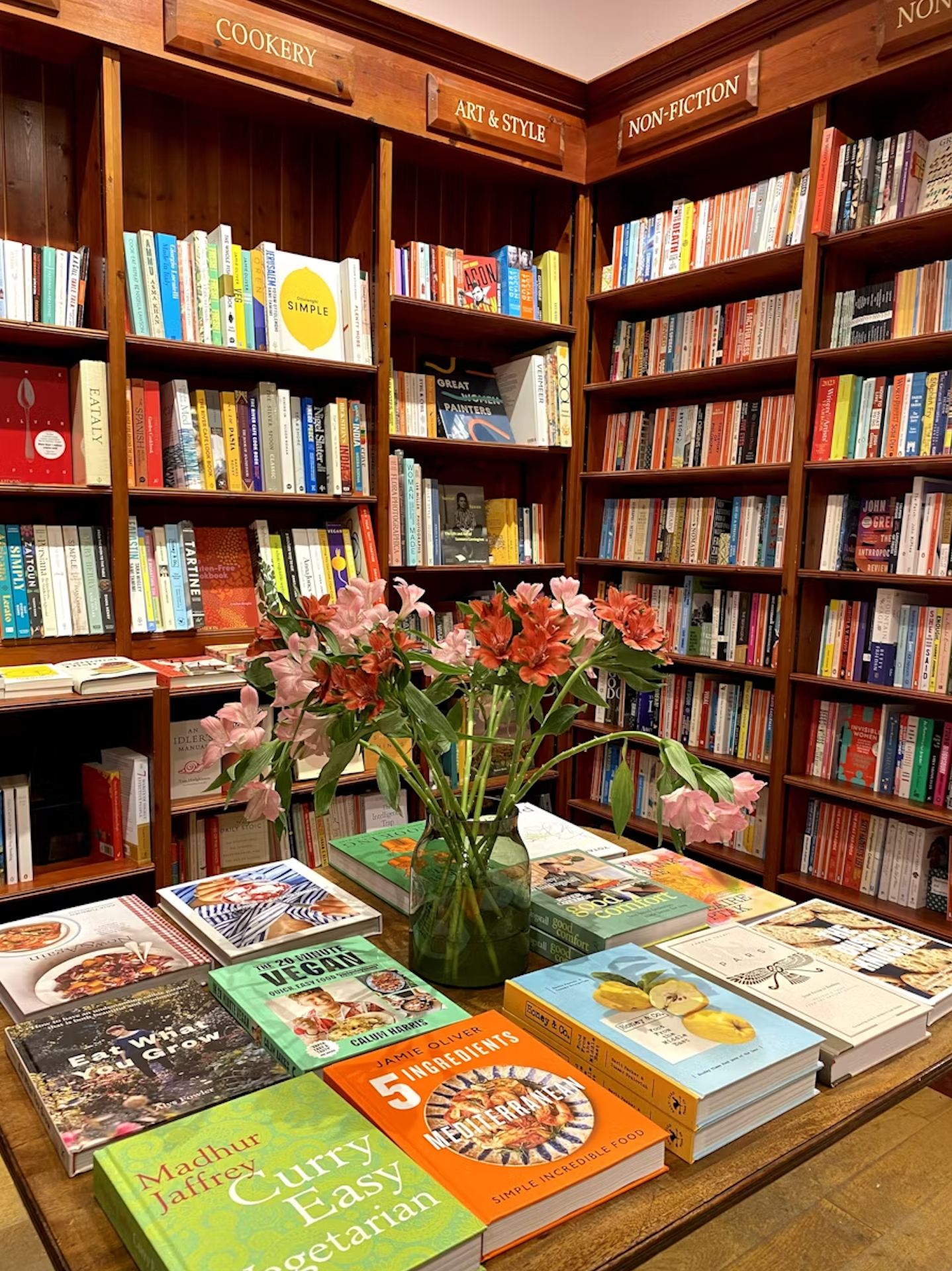 When I think of book genres, the two primary types I learned in growing up are Fiction and Nonfiction. Fiction books are imaginative narratives with plot, characters, and settings created all or in part from the author’s imaginative mind, and are meant to entertain, explore themes, and evoke emotions. Nonfiction books are an account of facts, based on real lives or real events, and are meant to teach, provide insights, explain, or convey information. Non-fiction authors strive to be truthful and accurate in representing the facts as they occurred or in telling about the subjects or people they are writing about. Fiction authors can create any story they wish, based on their imagination, although, of course, they want it to be compelling and engaging.
 In the “fiction genre,” are many primary and subgenre categories. For example in the Romance genre category are many subgenres including contemporary romance, historical romance, Regency romance, romantic suspense, romantic comedy, paranormal romance, and others. Under the Mystery genre are multiple subgenres, too, including classic or traditional mysteries, cozy mysteries, historical mysteries, courtroom mysteries, detective fiction, and psychological thrillers.
Many sources label general Women’s Fiction or even men’s fiction as a genre, for books not fitting in other specific categories but with predominately only women or men in mind in appeal. Literary fiction, another umbrella term, tends to imply more serious literary and classical-style books, exploring complex themes and social commentary, and more character driven than plot driven. Other fiction genres include drama, plays, tragedies or comedies, fantasy, like magical realism, paranormal, or dystopian, western books, action and adventure, thrillers, horror, and suspense books, and graphic novels that include a lot of narrative art. For the younger reader are multiple Fiction subgenres like young adult books, new adult books with coming-of-age stories, and children’s books of several styles and age-types including board books, picture books, easy or early readers, and chapter books. In addition, an entire area in most libraries is designated to Christian fiction book titles. Even shorter reads like novellas, short stories and poetry books can fall into the fictional genre area.
 In the “nonfiction genre,” another very broad category, are personal life stories, biographies or memoirs, and stories about persons written by a third party, called autobiographies. There are many nonfiction books geared to life, interests, and hobbies, including cook books, diet books, and other titles related to nutrition and health, decorating and home books, art and photography, travel, history, humor, or true crime accounts. In addition, there are how-to titles of all kinds from non-fiction books about child-rearing, parenting, family life, self-help books, humanities and social sciences titles, and science and technology books on nearly every subject. There are also non-fiction books for children, new age and spirituality titles, and a wide array of Christian non-fiction books.
 I read a lot of non-fiction books. Most relate to my fields of study in psychology and research or to knowledge I need for my teaching or writing. Others are chosen for self-help, growth, and inspiration. I read to teach myself to carry a positive and productive attitude, to deal better with others, to be more effective in the world. I read spiritual books, too, to grow in my Christian faith, which I never want to let grow stagnant. I think it is more obvious how that type of book impacts us … but “fiction” books impact us, too.
 You probably smiled as you saw a mention of particular genres or subgenres of Fiction book types you particularly enjoy reading, and you can probably name authors and book titles in some of those areas you enjoyed reading over the years. Fiction books can deeply influence and impact us and books can stay in our hearts and memories for many years, often throughout our entire lives. We remember specific characters, settings, or happenings in plot that made them special to us, and we often reread these favorites again along life’s way.
I thought I’d share a few of my favorites in different genre categories that I have especially enjoyed … and perhaps my thoughts will remind you of books you have loved along life’s way, too.
 When I was a child, picture books weren’t as abundant and popular as they are now. After World War II in the 1950s and 1960s, the publication of children’s books began to rise with the after-the-war birth rate and advances in the publication industry. However, it took time for these new, lavishly illustrated books to move into the homes of families. Children growing up then were encouraged in education and read to more than in past, but books in the home tended to be more storybook collections with many stories tucked within one book, like The Better Homes and Gardens Storybook I still own. In it were books and stories like Peter Pan, The Little Red Hen, The Story of the Live Dolls, and The Tale of Peter Rabbit.
Little Golden Books, soon selling even in the grocery stores for only 25 cents, quickly became popular, and I remember early titles like The Three Little Kittens and The Poky Little Puppy. Especially popular were books with good moral lessons, along with nursery rhyme and song books, fairy tales, and poetry books. Even today I can still recite the words of many of those songs, poems, and rhymes I learned: “A was once an apple-pie, Pidy, Widy, Tidy, Pidy, Nice Insidy, Apple-pie” [from The Nonsense ABC by Edward Lear]… and “How do you like to go up in a swing, Up in the air so blue? Oh, I do think it the pleasantest thing, Ever a child can do!” [from The Swing by Robert Louis Stevenson].
Access to books grew as I entered school, where my teachers read to us often. My school friends and I swapped books, too, talking about them afterward, gifting them to each other at birthday parties. I was soon also taken to the library or rode my bike to the nearby branch library, where books could be checked out, enjoyed, and then returned for more. Favorites I still remember are The Secret Garden, Little Women, the Beverly Cleary books like Ramona the Brave, Margeurite Henry’s horse books like Misty of Chincoteague, and the wonderful Nancy Drew books, starting with The Secret in the Old Clock.
By my middle school and high school years I discovered romance books like those by Betty Cavanna and Janet Lambert and books with more mystery and suspense like those by Mary Stewart and Phyllis Whitney. I soon moved on to reading titles like Agatha Christie’s mysteries, L.M. Montgomery’s lovely Anne of Green Gables stories, and Madeleine L’Engle’s books like A Wrinkle in Time and Meet the Austins. Reading books expanded my knowledge of the world and taught me how other people lived and thought. They took me from my quiet middle class life to far-away places and into the lives of intriguing characters and grand adventures.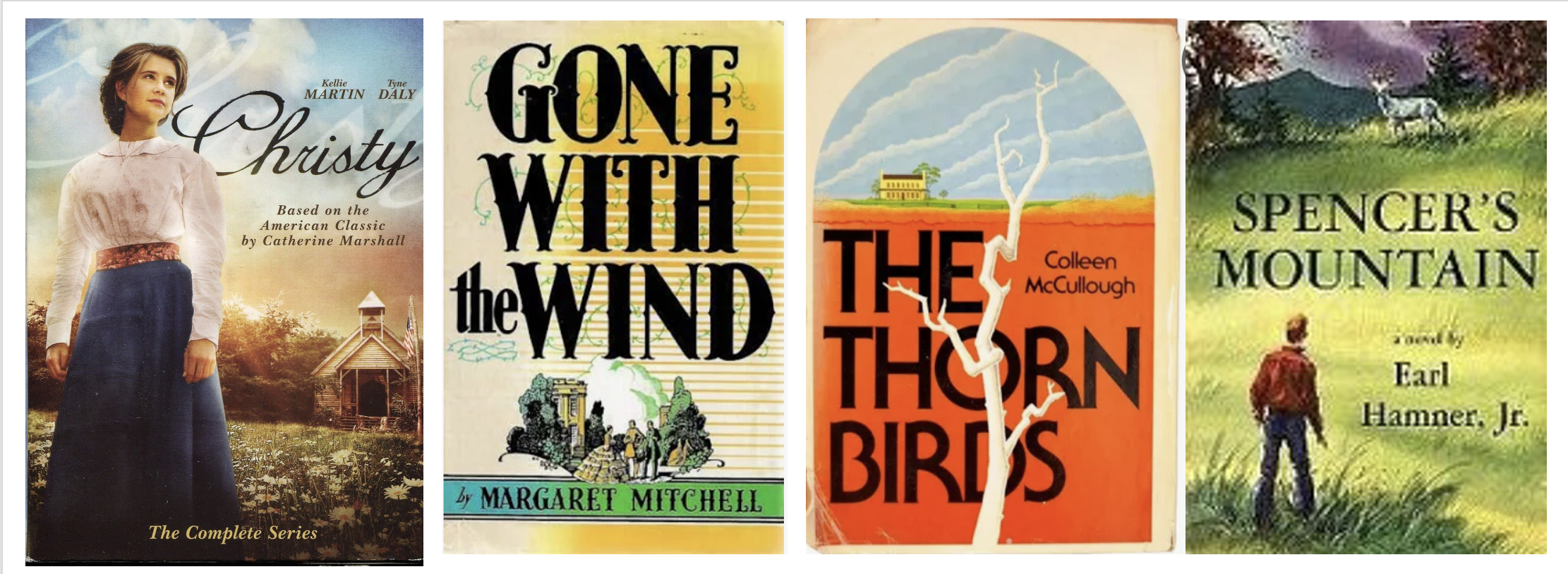
As a young woman I especially loved historical sagas, romances, and mysteries and those are still the genres I love most to read. I can remember certain books I especially liked: The Thorn Birds by Colleen McCullough, Gone with the Wind by Margaret Mitchell, Hawaii by James Michener, Cheaper by the Dozen by Frank B. Gilbreth, Christy by Catherine Marshall, Mrs. Mike by Benedict Freedman, The Fountainhead by Ayn Rand, and Spencer’s Mountain by Earl Hamner. These books pop up in my memory without prompts and I can still remember the stories in them and the characters.
 I began to dream of writing while reading so much as a girl and young woman. I thought how wonderful it would be to write books like Eugenia Price’s novels set along the South Carolina coast with rich characters and beautiful settings or to create warm-hearted books like Jan Karon’s lovely Mitford books set in a small town in the mountains. I found and devoured Mazo de la Roche’s The Jalna books and Colette’s Claudine books, following the lives of their characters. Looking back, it’s hard to remember just why those books resonated so much with me, but I knew, even then, if I ever got to write books that I hoped they would be books like these.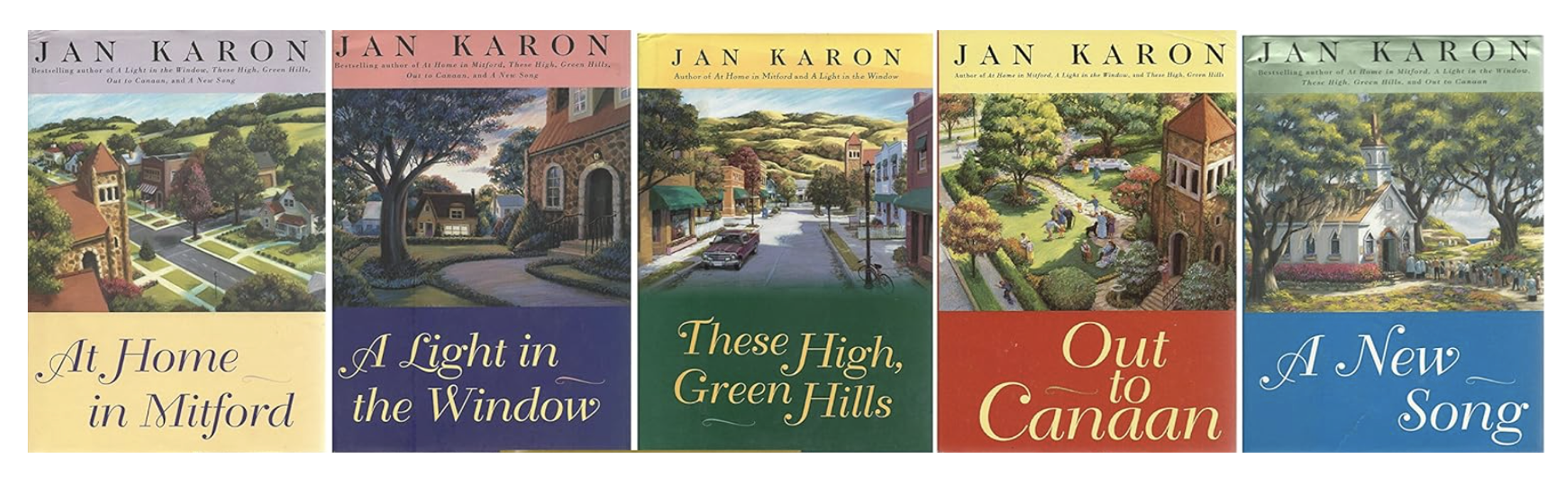
As I look back over the books I remember loving so much I see how they influenced my writing today … and the books I continue to love best always feel like “friends” in the same way. … The moral is to read the books you love most but to know that what you do read will mold your thinking and your life. Take care what you read because it will shape what you become. Just as the Bible warns that the company we keep impacts us, so the company and type of books you read impacts you, too.
 I write now because I love to write and I write to share the love of good, rich, wholesome and warm-hearted books with you … and I hope my stories will impact you only in good and positive ways.
A closing quote: “I write because I love writing. I think I became a writer in order to explore my ideas and responses to the world around me, which I often found it difficult to share with others. Also I liked my autonomy, and a writer can choose his or her own working hours – midnight to dawn or whenever. The difficulty of becoming a writer never bothered me. I knew it was going to work for me sooner or later. And if you’re a writer you don’t have to retire but can keep on doing the thing you love till you drop off the chair.” – Alex Miller
See my June Newsletter, too, at: https://linstepp.com/media-2/
________________________________________________________________________________________
Note: All photos my own, from royalty free sites, or used only as a part of my author repurposed storyboards shown only for educational and illustrative purposes, acc to the Fair Use Copyright law, Section 107 of the Copyright Act.
 May is a month rich with flowers. We love seeing them as we travel around the areas where we live, when we visit gardens, send or receive flowers, or simply walk outdoors, stopping to admire them. Flowers have also long held meaning… and in past, especially, people gave floral gifts to convey messages or meanings as well as simply to bring another person joy. The term “floriography”, meaning “The Language of Flowers” is the name for the system developed to convey messages and emotions about flowers. Especially in the Victorian era, flowers served as a way to express feelings. Most of us are familiar with birth flowers for every month of the year or we might have read legends about the names and meanings of certain flowers. A lot of Shakespeare’s work involved flower symbolism. However, for most of us, we know little about the meaning of the flowers we send, receive, or enjoy.
 While cleaning out book shelves, I discovered a little book called Kate Greenaway’s LANGUAGE OF FLOWERS. This small book, that used to be my mother’s, further inspired the idea for this blog. The book was an old one, published before copyright dates, and I loved leafing through the sweet illustrations created by English Victorian artist and writer Kate Greenaway (1846-1901). She gave the meanings of many flowers in the book, plus messages that flowers once conveyed, and I further researched to learn more. Below is a sampling of what I learned about some popular flowers you may be familiar with. The flowers I’ve chosen to use have mostly sweet meanings and messages … but many flowers can send a different message altogether, probably sent anonymously. Some plants and flowers could be sent to convey messages like: “I shall not survive you,” “Love is dangerous,” or “Justice shall be done to you.” Others could mean “You are cold,” “Your looks freeze me,” or “My love is hopeless.” Flowers often held both sweet positive meanings and negative, somewhat warning meanings. If you were the receiver of a bouquet of red and yellow chrysanthemums with no recipient name attached it could mean “I love you “ for the red” or “Slighted love” for the yellow!
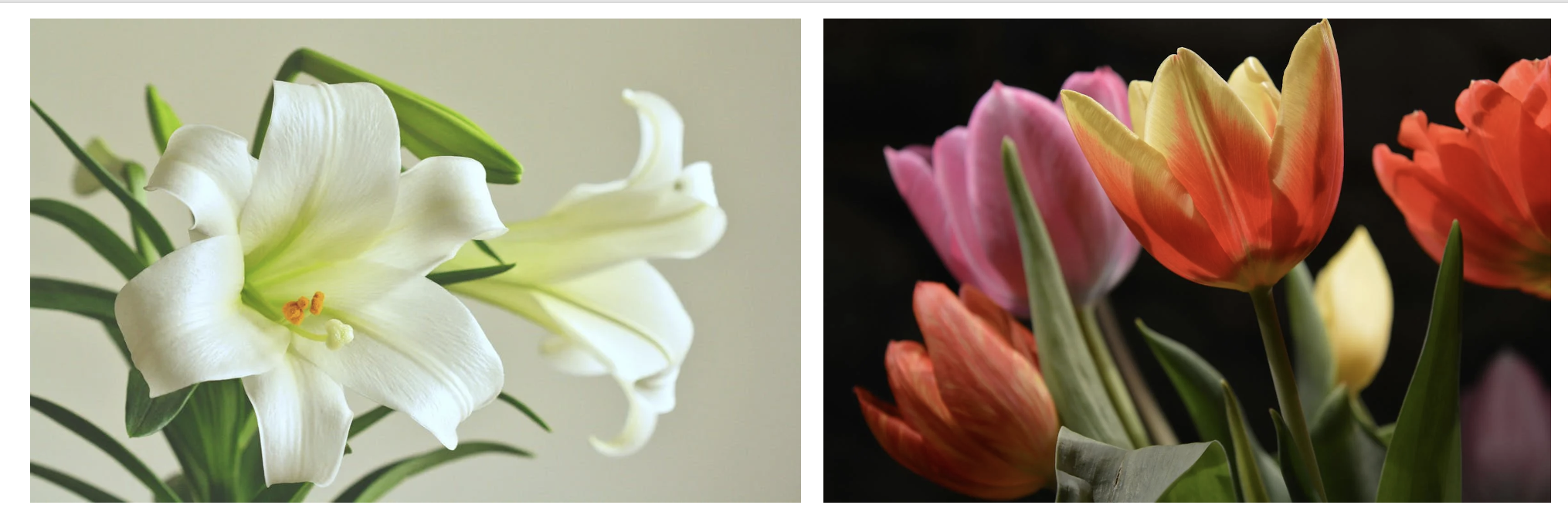
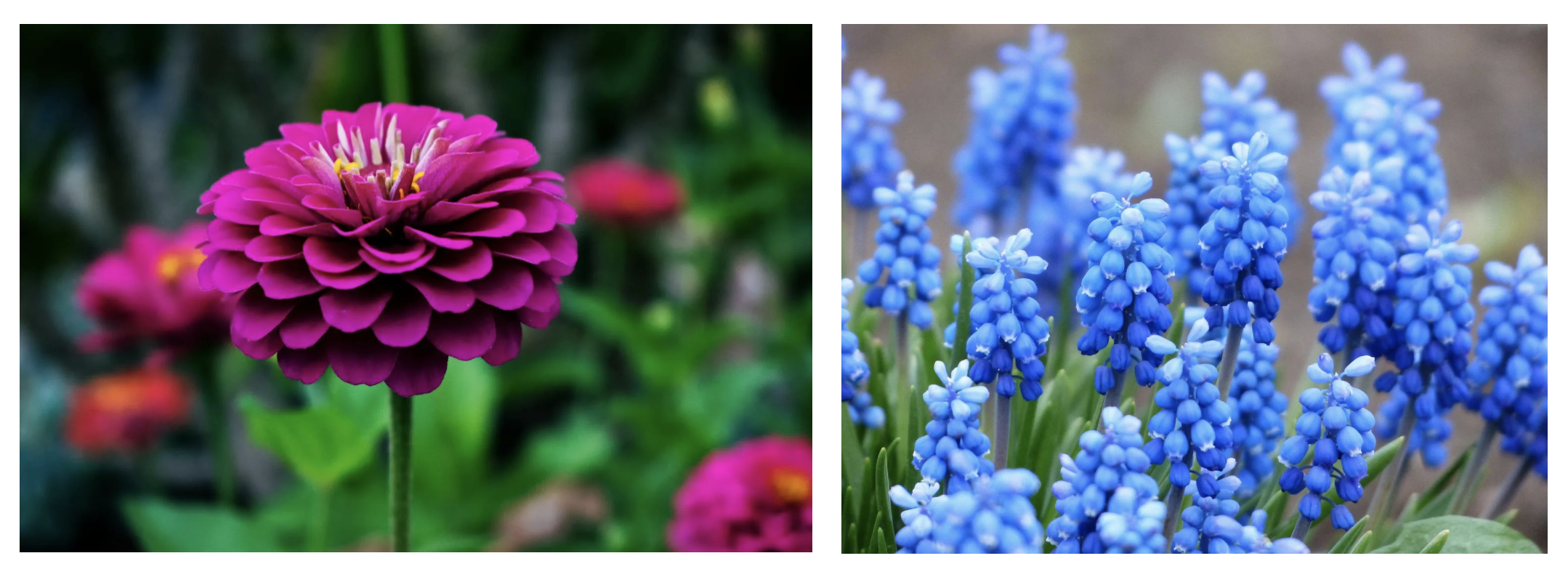


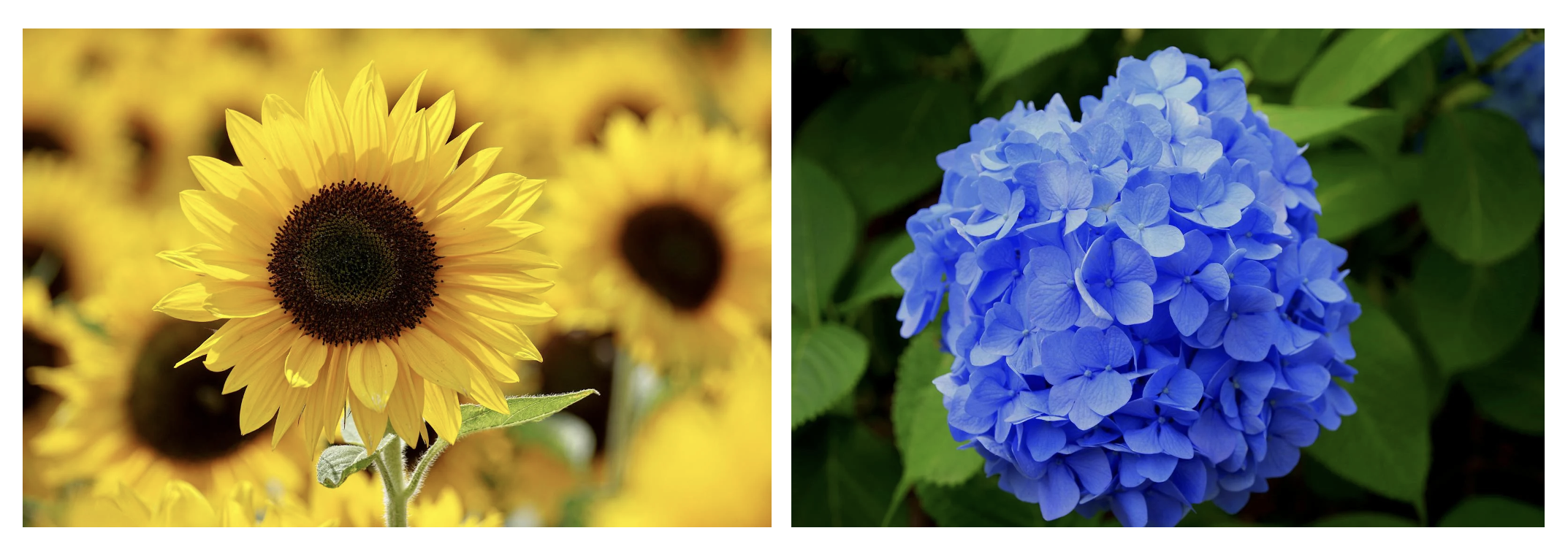

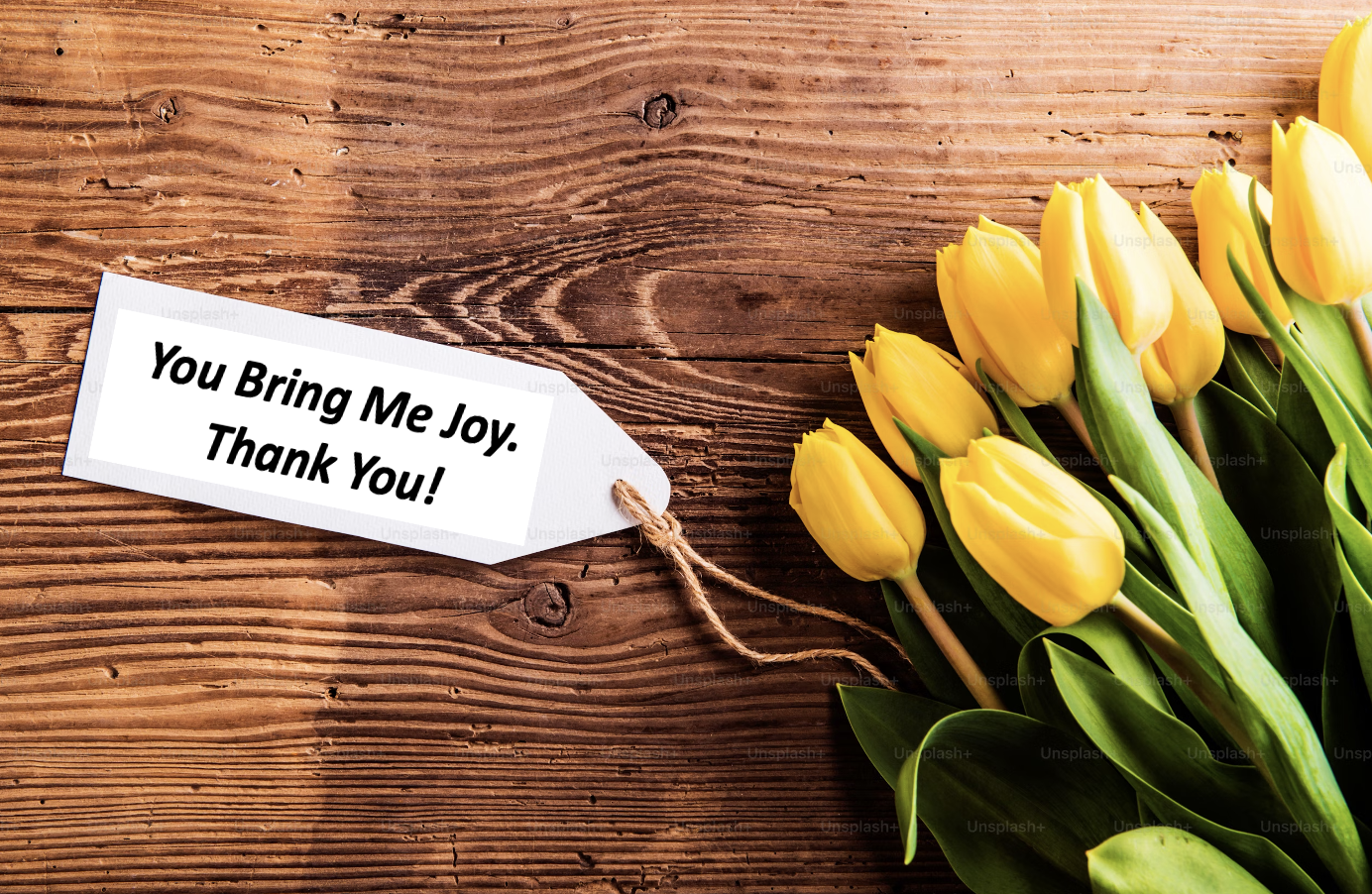 I hope you had fun reading about some of the different meanings of flowers. It was such an interesting adventure to look into the multitude of meanings that flowers can have. In past, I have always simply chosen and sent the ones in season I liked to others for special occasions, birthdays or funerals, considering primarily what flowers seemed most appropriate for a particular holiday or occasion, like Poinsettias for Christmas or Lilies for Easter. Now I suppose I can attach little meaning cards with my floral notes, like: “These yellow tulips mean you’ve brought a lot of happiness to my life.” Maybe you’ll recall one of these “floriography” flower meaning thoughts the next time you take or send someone some flowers.
 Lin Stepp