 Our parents and grandparents often make the comments “When I was a boy …” or “When I was a girl …” remembering earlier times and reminding us of how much things can change in our world in only fifty to sixty years or more. I used to smile at these remembrances of change and still do … but it’s actually remarkable to realize how much our culture and society has changed in so short a time. Only a hundred years ago in the United States, the average family was just beginning to drive Model T automobiles. Most families were only beginning to get telephones then, too, and television or computers hadn’t even been invented. Shopping in those times only involved a limited number of small groceries, a few department stores and family-owned shops.
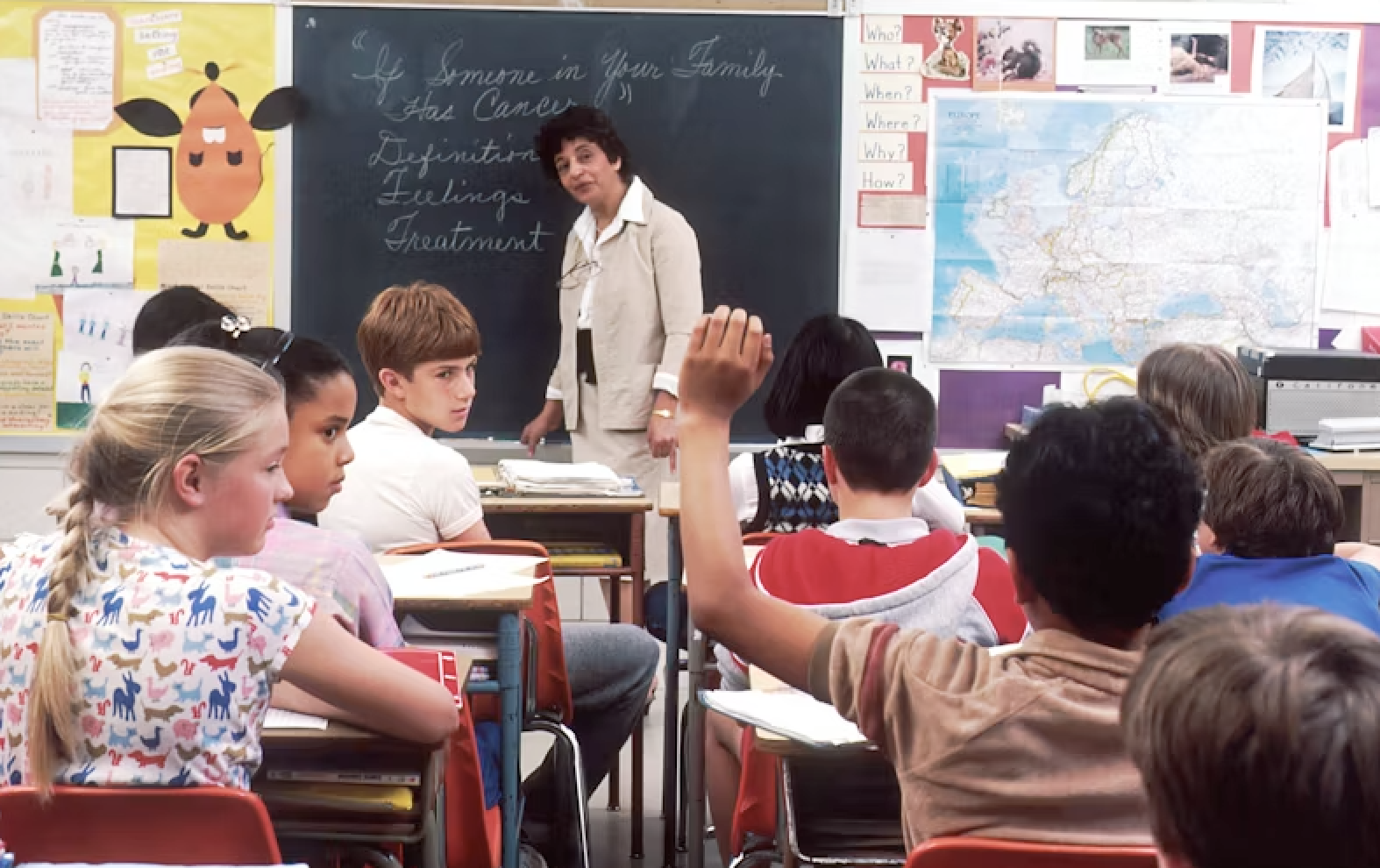 I think it’s good, sometimes, to look back and think about how life has changed in our world. It helps us to be grateful for new inventions and positive changes, and it also helps us to see ways in which our world might have been better in past. So, my blog post for September offers a look back to help us see changes between “then-and-now” from the 1950s and 1960s to today. Many of you, or your parents or grandparents, may well recall the 50s and 60s, but it’s all too easy to forget those times, too, and how much life has changed since then.
 The average home in the 50s-60s was different from those of today. Most suburban homes were smaller, with about two to three bedrooms, one bathroom, a living room, kitchen, dining area, a single car garage, and usually a large yard if not in the city. Some people had started to put air-conditioning units in their homes in the 1950s but in others window fans were the norm. Central heating was a little more common but many homes still had furnaces, fireplaces, or wood stoves. Home backyards often had a garden and people mowed their grass with a push-mower.
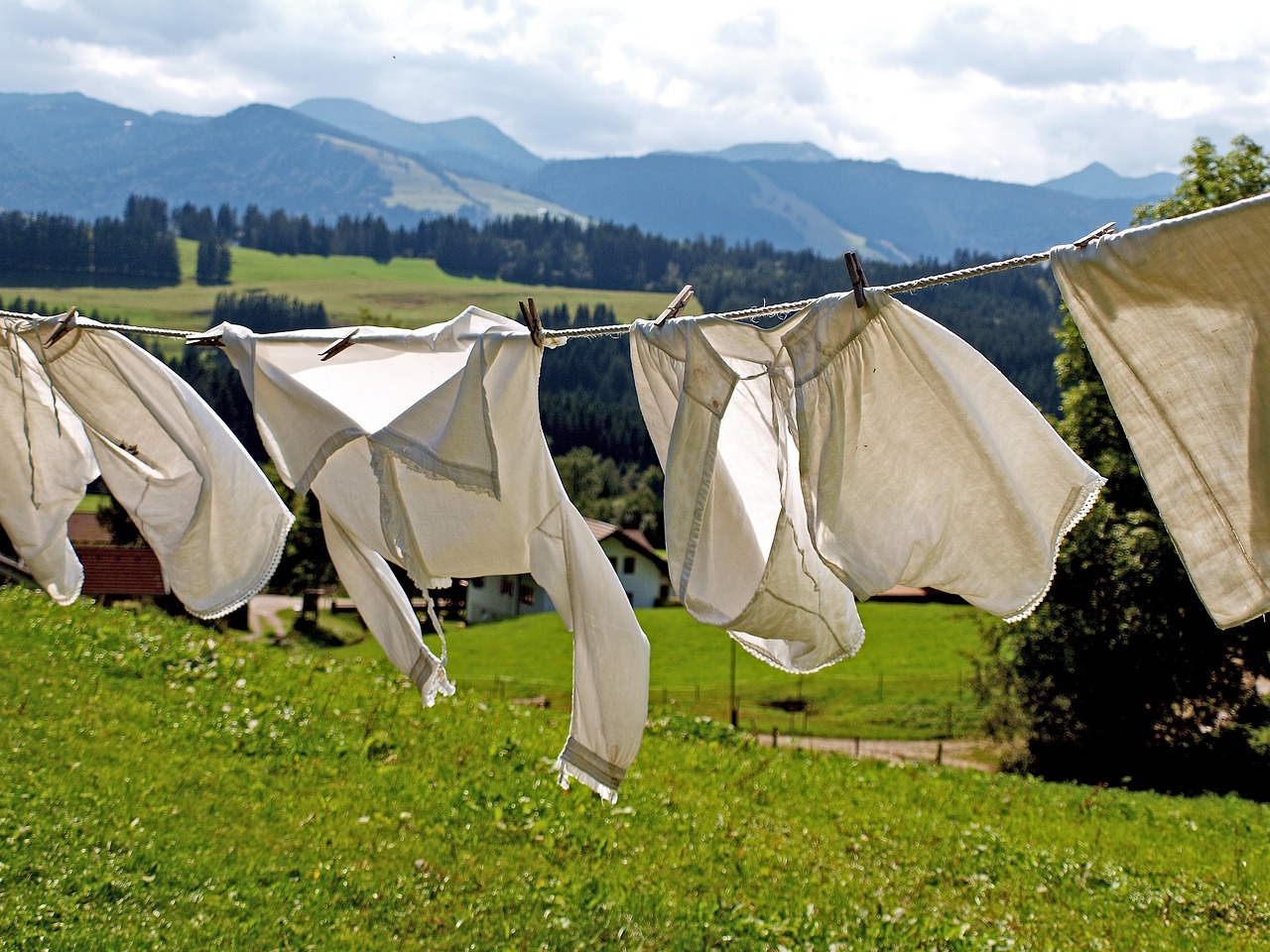 Appliances we know today were different, too. Most all homes had stoves and refrigerators—and many had a freezer for vegetables from the garden–but microwaves, electric can openers, icemakers, disposals, electric knives, and many other time-saving devices were not yet invented. Homes had washing machines but dryers didn’t become common until after the 1960s. People hung their laundry out to dry on clotheslines in the back yard. In the 1950s, and even into the 1960s, most women could—and did—sew, and often made many of the family’s clothes. Home sewing was actually a billion-dollar industry in the 1950s. People had smaller closets in their homes and fewer clothes then, too.
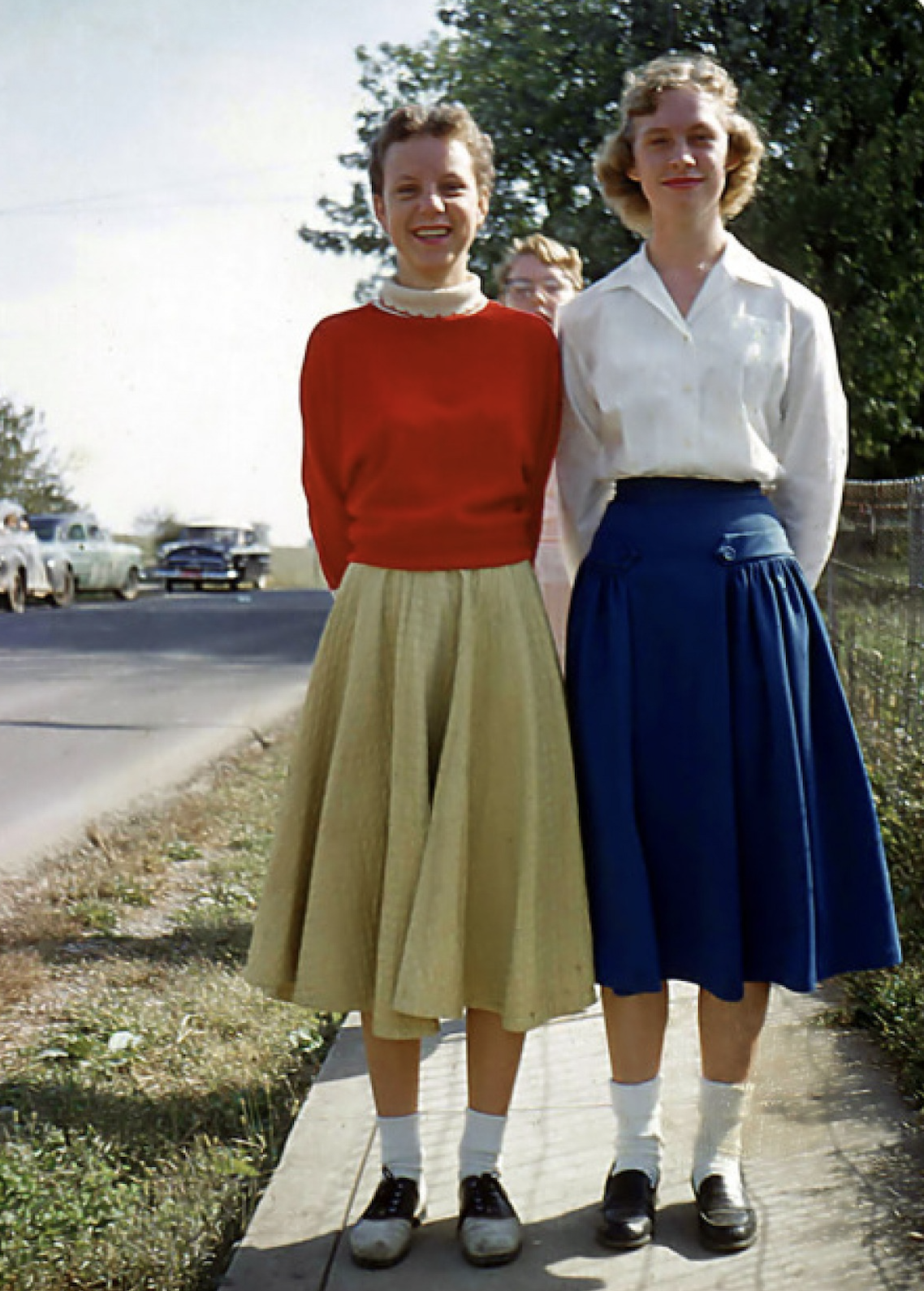 In every era people dress differently, and men, women, and children, dressed differently in the 50s-60s than today. Many women still didn’t wear pants out in public and wore dresses or skirts instead. In most schools, girls could not wear pants in school at all. On very cold days, they could wear pants under their skirts to school but then removed them and put them in their lockers. It wasn’t until the 1970s that trousers for women became fashionable and acceptable. Boys wore slacks with tuck in button front shirts to school. And when girls and boys got home from school, they changed into play clothes.
 For special occasions and always for church, everyone dressed up, which is probably where we got the term “Sunday Best.” It was considered respectful to God to dress in your best for church services. Women wore hats to church in those years, and often gloves—especially at Easter. Skirts generally were no shorter than just above the knee. Men wore neat suits to work in sales and in the professions and they often wore hats. However, men’s hats were removed indoors, especially in church.
 By the 1970s hats for men and women faded away in popularity except for baseball caps, which became somewhat of a staple for young men in less formal places and still are today. Bathing suits were more modest than today, and bikinis and shorter skirts for women didn’t kick in until the late 60s and 70s. About the only place you saw a picture of a bra or intimate underwear was in a Sears and Roebuck catalog. It wasn’t until the late 1980s that the first bra commercial aired on television, but with the model fully clothed and only holding up the undergarment. These days, walking by a Victoria’s Secret store reminds us that our society doesn’t mind showing men or women in intimate apparel or even unclothed on television or in movies.
 In the 50s and 60s, most families had one car. Even in 1960, only 15% of families had two cars. Children rode the school bus or walked to school if it was nearby. Many fathers, like mine, rode the city bus to work most days to leave the family car with their wives for errands if she didn’t also work, too. With the economy rising after World War II, and the dollar going further, many families could live on only one income then. Wives with small children were able to stay home and not work if desired, but by the late 1960s into the 1970s, dual-earner couples increased. Today, with our economy less strong, fewer mothers can stay home with their children in their younger years. Since the 1960s, too, more doors have opened to women in more fields, previously closed to them, and traditional concepts about the work roles appropriate for men and women have changed dramatically.
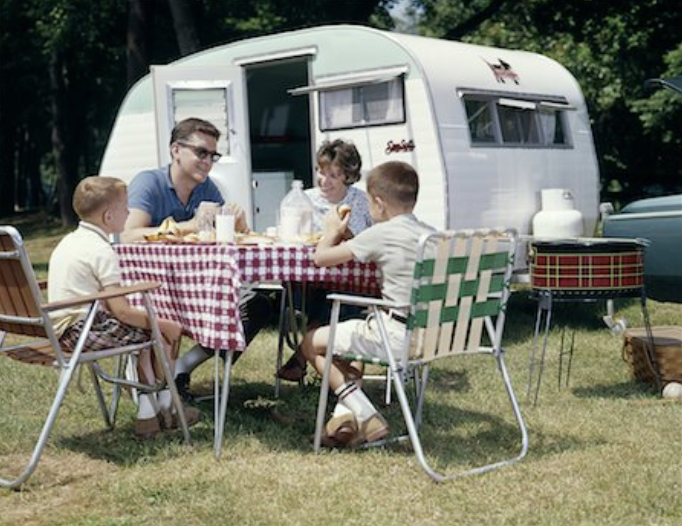 In the fifties and sixties, vacations were simpler for most families than today. Family togetherness was important after World War II and the country’s increasing prosperity allowed many families to take a summer vacation to a beach, resort, campground, or scenic site together or they traveled to visit family in another state to enjoy time with them. Wealthy people have always taken vacations since the earliest of times, but in the 50s-60s, working-class people began to enjoy a taste of travel and vacationing, too. In these years, children also began to enjoy summer opportunities to go to day camps, scout and church camps, and to participate in other away-from-home experiences like band and sports camps. Families also spent more times on weekends and holidays together at the lake, at public swimming pools, at the zoo or nearby parks. Children began to enjoy new pleasures they hadn’t known before, going to movies, bowling, skating, and taking paid lessons in sports, dance, tennis, swimming, piano, baton, or guitar. Not all families could enjoy or afford these treats but more did than before in the 50s-60s, and families lived modestly to save for and enjoy these pleasures.
 Children ran and played outdoors a great deal in the 1950s-1960s. Times were safer and children had more liberty in their neighborhoods, especially in rural and suburban ones. Kids rode their bikes or skateboards, played hopscotch, croquet, badminton, roller-skated, and enjoyed baseball or softball in the backyards or fields. They giggled with hula hoops, drew hopscotch boards on the street or driveway, climbed trees, played pretend cowboy games and outdoor games like red rover and kick-the-can, spread old quilts under the shade trees and played with toys, dolls, and games. Board games became more popular, too, as did puzzles. Teenagers played records and listened to the radio, went to school dances, and watched American Bandstand on television. However, even when the first TVs came into the homes in the 1950s and 1960s, families watched it in far more limited amounts than today. Kids played outdoors much more than today and used their imaginations to come up with all sorts of play activities and adventures.
 Eating out was not the norm in the 1950s and 1960s as it is today. There were fewer restaurants, and for the average family, eating out was considered a luxury only for special occasions. Families ate at home together for most all their meals, and the family meal time was a traditional time for sharing and spending time together. Most families ate home-cooked meals at dinner with a meat, vegetables or salad, bread or rolls, and a dessert. People ate mainly fresh, non-processed foods, their vegetables and fruits often from the family garden, a nearby farmer’s market, or the local grocery near their home. Very little junk food was found in the home then like we know it now. People lived healthier, eating better and being more active in their homes and out-of-doors than the bulk of our society today. Only 10% of adults were classified as obese during the 1950s and fewer children. Now over 40% of adults and nearly 20% of children are obese, and far more are overweight. In this area, our world has not improved in its habits and lifestyle.
 The moral culture was different in the 1950s and 1960s. This era was more conservative, less materialistic, more value-laden, and more caring. It was a time that linked right and wrong to Biblical values, although not all the cultural norms of the time were right. Some studies call the cultural time of the 50s-60s more “other-directed” than “Inner-directed.” Communities and families were tighter, more in touch. The era valued good morals, manners, a strong work ethic, patriotism, and faith more than our culture today, basing practices for government, school, and home around these values. That strong moral foundation and set of related values permeated all social institutions, from government to military, healthcare, church, and family. Today, studies show we have seen a significant decline in the value of virtues like honesty, kindness, and trustworthiness, plus a marked decline in respect for authority and parents, and less clear lines between good and bad, ethics and evil. These changes have also caused more societal conflict, unrest, anxiety, unhappiness and depression, and more violence.
 We have also seen a drop in educational scores since the 1950s-1960s and more problems with discipline in American schools. All research has shown that a reading society is a strong society, yet the value of reading and the number of people engaging in reading has declined significantly since the 50s and 60s. Americans are reading fewer books than in past and our national literacy rates are declining. Technology has contributed in part to this decline. Children and adults consistently look at their phones and other devices and are easily distracted by the immediate response of technology. Additionally, parents don’t read at home and model a love for reading as much as in past, and children are following in the same pathways they see modeled. This and other administrative and governmental problems are eroding the strength and effectiveness of our educational system and creating an increasing percentage of children who cannot read at basic levels. These changes have not been positive ones since the 50s-60s.
 Few people today can look around and not see that we have problems in our world. Of course, every culture and era has societal problems. Although we can all look back and see many progressive and positive changes in our world since the 50s and 60s, we can also look back and see many negative and detrimental changes in our society since that time, too. The question, of course, is whether we can rightly evaluate the areas where we’ve slipped away and turn around and make positive changes to correct the difficulties in our homes, families, educational and political systems, and in our own personal lives a well. Mark Twain once wrote: “We are chameleons, and our partialities and prejudices change places with an easy and blessed facility, and we are wonted to the change and happy in it” often to our detriment. People get settled in their ways, even in wrong ways, and they resist change. President Woodrow Wilson wrote, “If you want to make enemies, try to change something.” However, despite the resistance people inherently have to change, we can change and create a better version of ourselves and our world. If we will. Perhaps looking back can help us see where we missed the better path in some area or where we need to take a new and different path to a better future.
Some quotes to close:
 “Never doubt that a small group of thoughtful, committed citizens can change the world; indeed, it’s the only thing that ever has.” [ Margaret Mead}
“Be the change you wish to see in the world.” [Mahatma Gandhi]
“Every great dream begins with a dreamer. Always remember, you have within you the strength, the patience, and the passion to reach for the stars to change the world.” [Harriet Tubman]
“The greatest danger to our future is apathy.” [Jane Goodall]
“Don’t underestimate the power of your vision to change the world. Whether that world is your office, your community an industry or a global movement, you need to have a core belief that what you contribute can fundamentally change the paradigm or way of thinking about problems.” [Leroy Hood]
“The people who are crazy enough to think they can change the world are the ones who do.” [Steve Jobs]
______________________________________________________________________________________
Note: All photos my own, from royalty free sites, or used only as a part of my author repurposed storyboards shown only for educational and illustrative purposes, acc to the Fair Use Copyright law, Section 107 of the Copyright Act.
 Lin Stepp
Thank you so much for this look at our past nearly 100 years. I have lived in it since 1944 and mostly can remember the 60’s to 70’s. I graduated high school in 1962, married also in 1962 and had my first child in 1963. The most vivid memories come regarding those times into the present. You are so right about all the changes we have experienced. Many of them could have made changes to our lives which have left indelible negatives on our youth. Once they experience these delights, they will not let you take them away. They are like a fantastic candy shop. I fear we are seeing the middle of the end. We passed the beginning of the end some years back. There is so much injustice, terror episodes and complete chaos, no one knows what to begin with, or if they even want to help change us back. Today, especially, we need to play unceasingly, as it is the only answer. I would love to relive the 60’s and 70’s. One had more freedom and drive to make something of themselves. It is certainly missing today with most of our graduates and even prior to that point.
LikeLike
Glad you enjoyed this. I enjoyed my “look back” too!
LikeLike