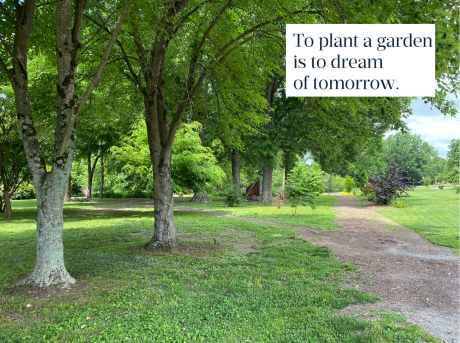
 A botanical garden is a unique type of garden devoted to the study and conservation of plants, the garden often open to the public so they can see and learn about plant species. Usually, plants grown in a botanical garden are chosen because they grow well in the garden’s region, and most are labelled with their botanical names. Botanical gardens help us become more aware of native plants, flowers, shrubs, and trees, and acquaint us with plants’ names, purposes, and unique characteristics.
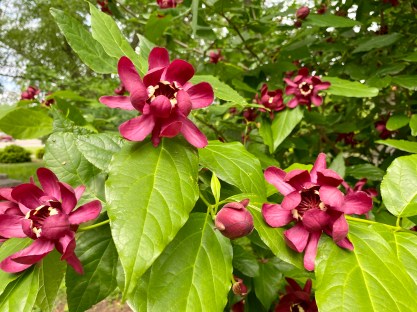 The first known botanical garden dates back to an early Chinese dynasty, but the modern concept of a botanical garden first originated in Europe when the Padova Botanic Garden was built in Italy in 1545. Today approximately 2,500 botanical gardens can be found around the world and they cultivate over 6 million plants. People today do not recognize and know as much about plants as in past generations. This phenomenon is called “plant blindness,” and the changes in our culture, that have created this lack of awareness, are unfortunate because plants are, and always have been, crucial to our survival as a species.
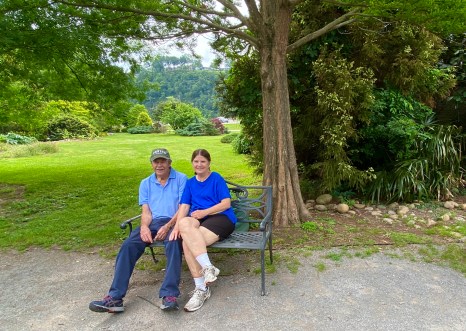 J.L. and I visited one of the botanical gardens in our hometown recently, the University of Tennessee Botanical Garden. The gardens developed for horticultural study at the UT agricultural campus and visitors can walk the one-mile trail of lovely pathways that wind throughout the sections of the garden. In April 2013 Governor Bill Haslam signed a bill designating UT Gardens as the official State Botanical Garden of Tennessee. The overall garden includes the garden at UT Knoxville plus the gardens at the Ag Research and Education Center in Jackson and at the Ag Research location in Crossville.
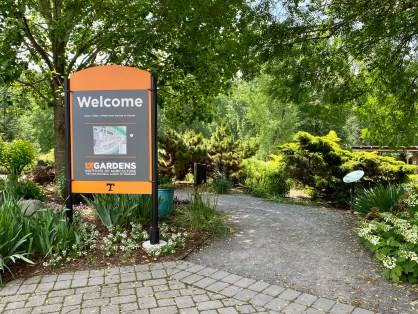 The UT Knoxville garden is open sunrise to sunset with free admission and parking. It is a treat to visit. To get to the garden, travel from Kingston Pike down Neyland Drive beside the Ag Campus. Then turn left on Jacob Drive by the Veterinary Medical Center. Park across from the garden entrance in one of the designated parking spaces set aside for visitors to use.
 The pathway into the garden begins at the Welcome sign across from the parking area. The crushed gravel path soon leads into an open plaza with picnic tables and then along scenic. pathways from one section of the garden to another. Signs along the way identify the plants, flowers, shrubs, and trees, often with information about them. The plants you see at the UT Garden are predominantly ones that grow well in the East Tennessee region, offering ideas for plants you might want to try in your yard, garden, or property.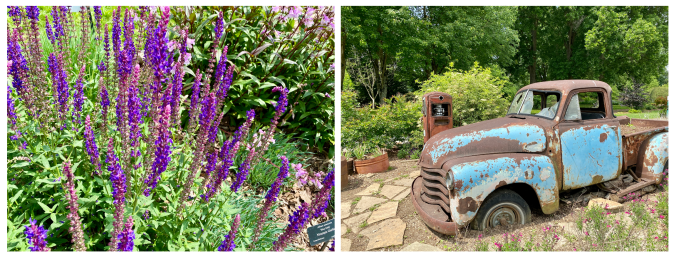
We enjoyed strolling along the walkways, stopping to study the different plants, like at the Hillside Perennial Garden and Woodland Garden. Tucked along the walking route were artifacts like an old truck and gas pump, sundials, rest benches, gazebos, ponds, memorial markers, and a large labyrinth, with iris all around it, for those seeking a meditative walk. The UT Botanical Garden has a large Kitchen Garden area, full of seasonal vegetables and herbs in over fifty raised beds. We enjoyed learning the produce is donated to area food banks.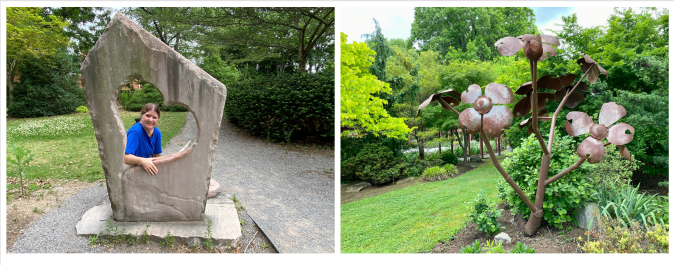
I especially liked walking through the sculpture garden where sculptures made by UT art students could be found. J.L. and I liked the big metal flower sculpture, and he took my picture in the heart-shaped sculpture—the perfect setting for a romance writer. One garden section was dedicated to trillium, with a multitude of interesting species, while another was abundant with a wide variety of hosta.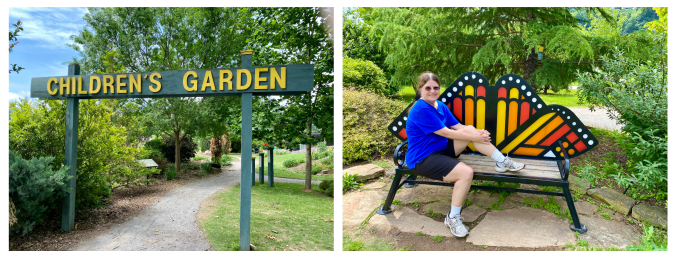
Not far from the sculpture garden we discovered the Children’s Garden full of whimsical statuary, playhouses, treehouses, tunnels, and a plant zoo. We talked at length with one of the many volunteer gardeners there. They give hours and hours of their time to work in the garden so others can freely enjoy it. One nearby garden area was filled with species of plants that draw migratory Monarch butterflies. There is a butterfly bench and Monarch sculpture there and information about how UT captures and releases Monarchs for study.
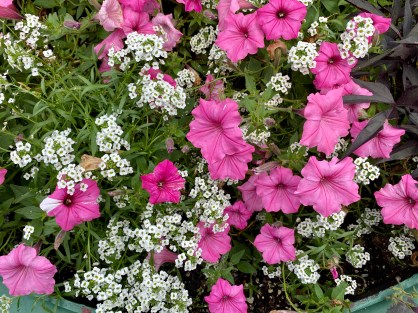
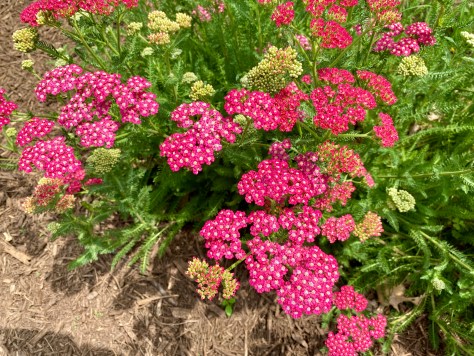 In several areas nearby and scattered around the garden are Annual Trails, filled with more familiar plants to us like petunias, white alyssum, vinca, sedum, coneflowers, pansies, and more. Tucked around the garden paths were many flowering trees and shrubs, like dogwoods, azaleas, and rhododendrons, beautiful lush groundcovers, and unusual trees like Japanese maples and bald cypress.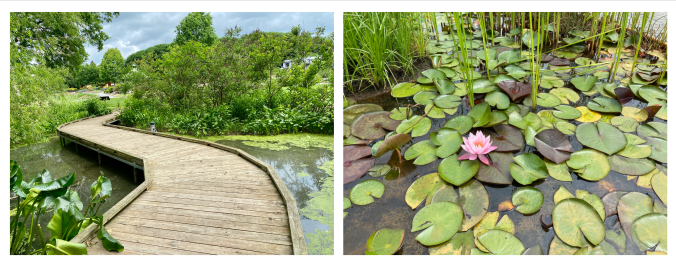
Toward the end of our journey through UT’s botanical garden, we lingered in the sumptuous Beall Family Rose Garden. A big gazebo sits beside the garden, with a shady table underneath. Across from the gazebo are two waterfalls, that tumble over the rocks into koi ponds.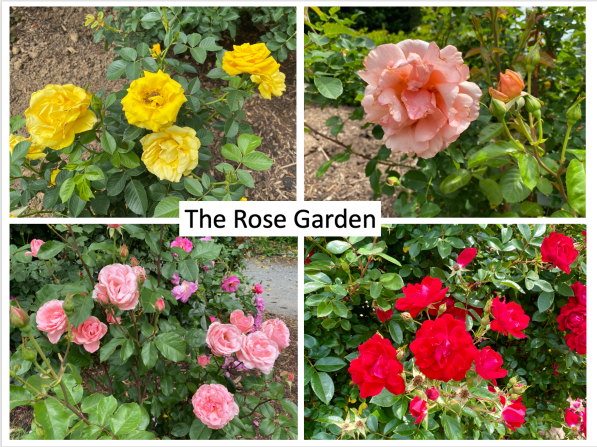 The Beall rose garden is a lovely spot to explore. There are over 120 rose varieties, labeled for you, like hybrid teas, miniatures, and grandifloras, all in a multitude of lush colors. Many were just blooming in late May and you can continue to enjoy the roses into the summer. So visit soon!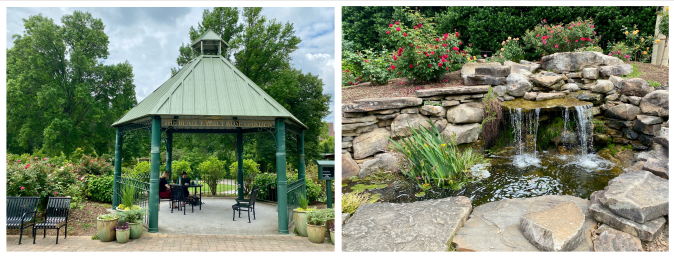
There are a wide variety of gardens, in and around Knoxville, you can visit and enjoy, most free of charge. If you don’t live in Tennessee, take time to do some research for gardens near you. Also, when you travel, tuck a “garden visit” into your travel itinerary. Especially in summer, the shady trails are such a pleasure. You may not have time, space, or the ability to do a lot of gardening at your home, but you can always take a walk in a garden nearby. You’ll find it wonderful therapy to the soul.
 Before we left the garden, I couldn’t resist taking J.L.’s photo with UT’s “Smokey” mascot since we are both UT graduates. We both plan to return for more walks in this garden not far from our home, and another day want to take one of the continuing trails leading from the garden. One winds its way behind the UT greenhouse and along Third Creek all the way to Tyson Park. Another, the Neyland Greenway, starts at the back of the botanical garden and travels along the Tennessee River to the Volunteer Landing Park. There are so many treasures for us to enjoy right in our own backyards … if we’ll just seek them out.
“In every walk with nature, one receives far more than he seeks.” – John Muir
See you again in July … Lin
Note: All photos my own, from royalty free sites, or used only as a part of my author repurposed storyboards shown only for educational and illustrative purposes, acc to the Fair Use Copyright law, Section 107 of the Copyright Act.
 Lin Stepp
What a lovely description of the Botanical Garden! It was relaxing just to read about all the flowers. I look forward to visiting there sometime soon!
LikeLike